CIL vs CIP: Choosing the Right Gold Recovery Process
CIL and CIP both use activated carbon, but cyanidation and adsorption happen differently. Compare recovery, cost and ore suitability before you decide.

CIL and CIP both use activated carbon, but cyanidation and adsorption happen differently. Compare recovery, cost and ore suitability before you decide.

Heap leaching lets low-grade gold ore pay. Learn pad design, irrigation, aeration and recovery limits before you choose heap leach over a CIL plant.
Cyanidation remains the backbone of gold recovery. Understand the chemistry, kinetics and plant conditions that decide how much gold you dissolve.
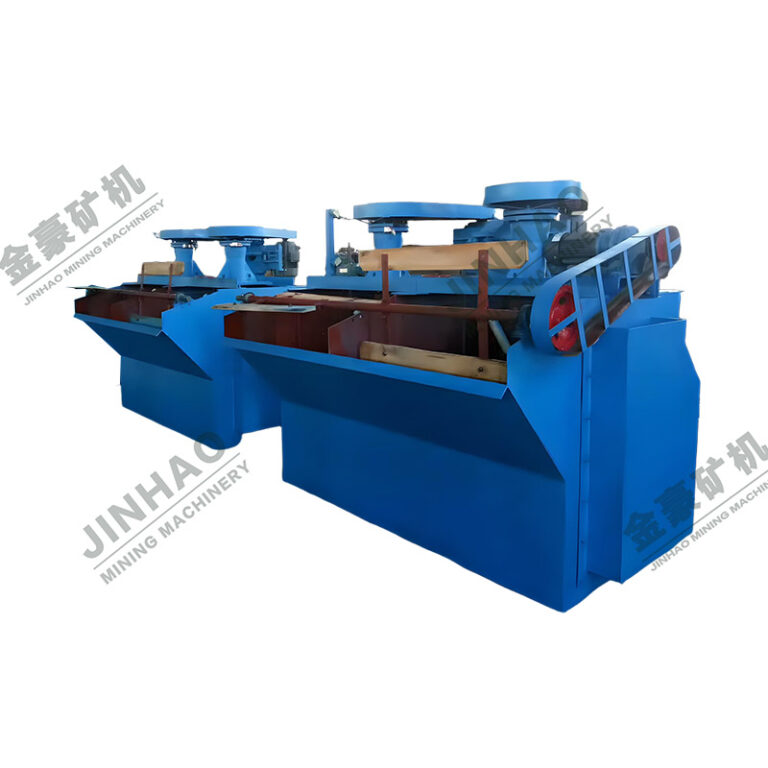
Sulphide gold locks gold inside minerals and defeats cyanide recovery. Learn why refractory ore needs roasting, pressure oxidation or bio-oxidation first.
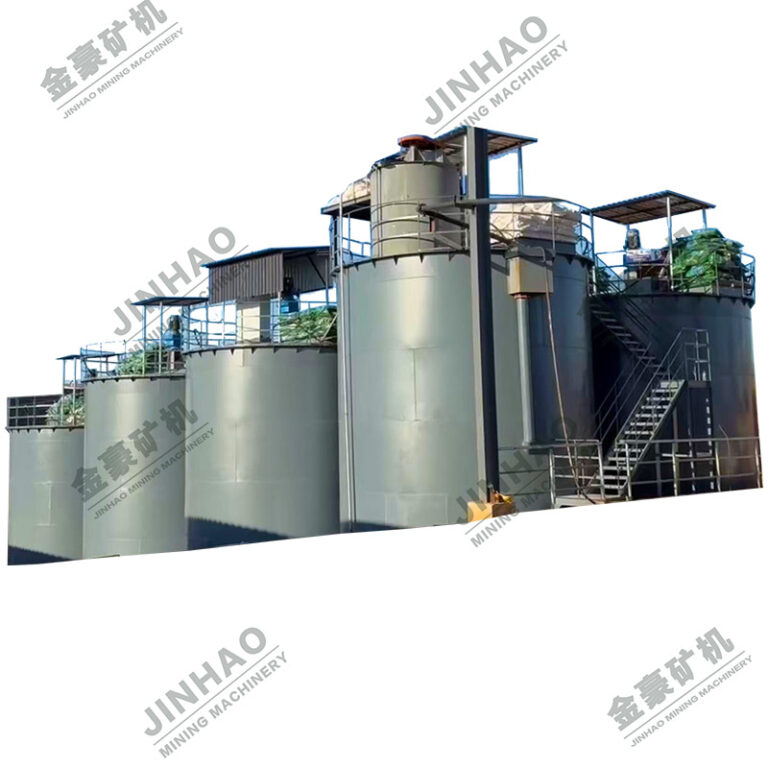
Free-milling oxide gold needs no roasting and leaches fast. Learn what makes oxide ore easy, and which gravity, flotation or CIL route fits best.
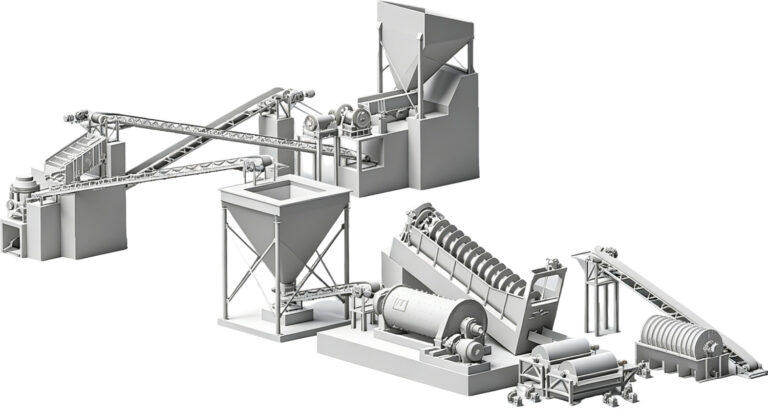
Learn to tell real gold from fool's gold. This field guide covers gold colour, streak, host rock and simple tests for identifying raw gold ore.
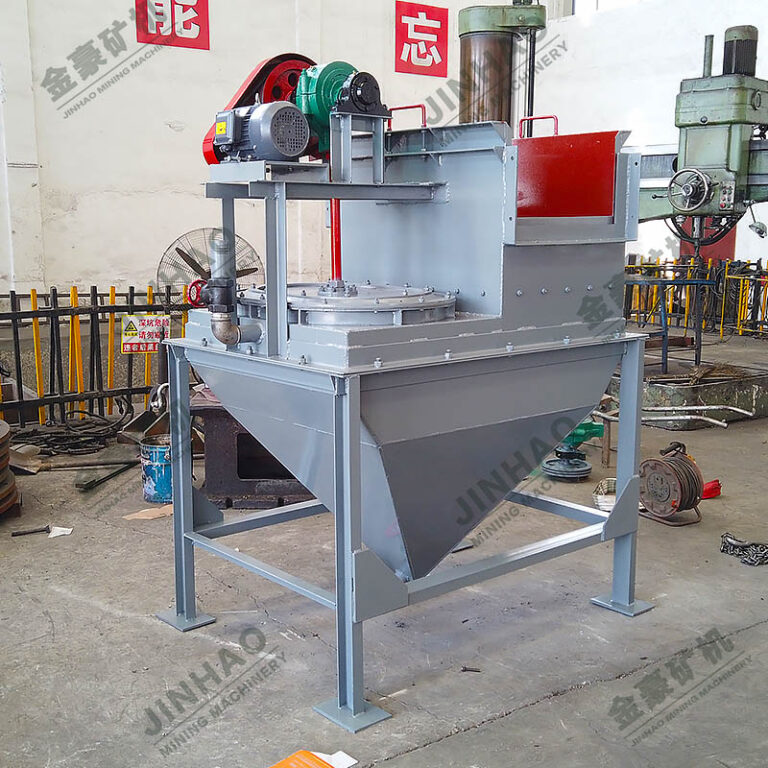
Alluvial gold deposits reward the right washing and gravity circuit. Learn how to recover fine placer gold with trommels, jigs and concentrators.
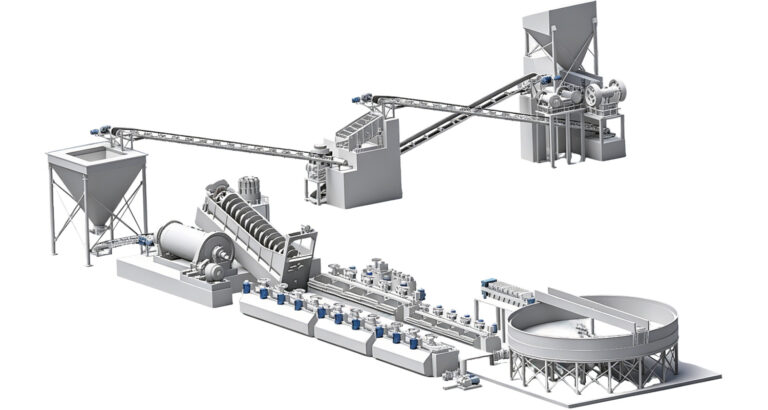
Lode and placer gold form differently and need different plants. Compare their geology, mining methods and recovery equipment in one guide.
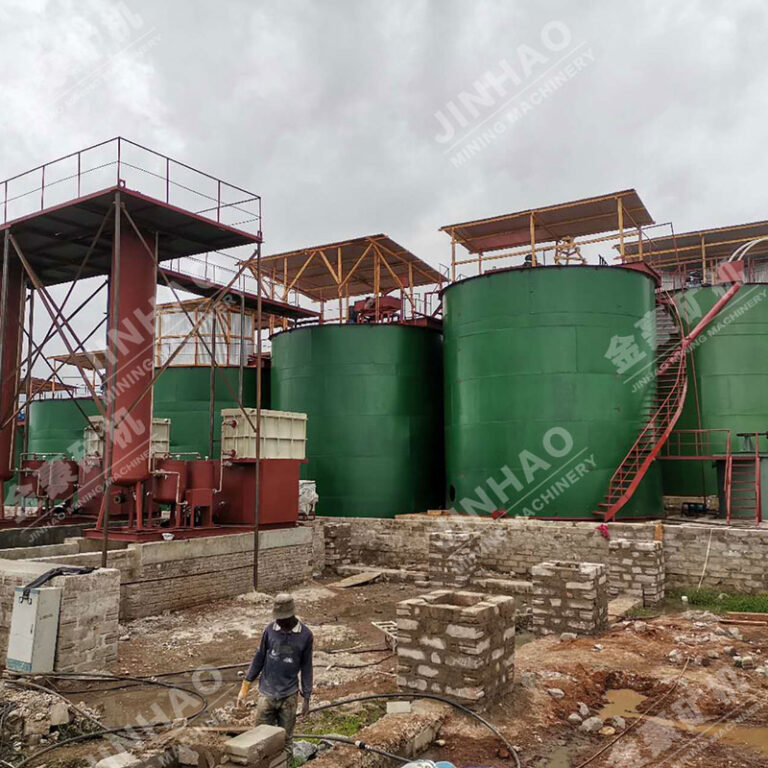
Discover how gold ore forms, from lode and placer deposits to oxidized and sulphide gold, and how deposit type decides the right recovery process.