
Introduction
Introduction
The antimony ore beneficiation process is a full-flow enrichment system centered on "crushing-grinding-flotation". It achieves precise separation of antimony minerals (e.g., stibnite) from gangue via reagent action, featuring high enrichment ratio, stable recovery rate, and strong adaptability. It is suitable for industrial production of various antimony ores, meeting the large-scale needs of small-to-medium mines and large concentrators.
Application
🟡Sulfide antimony ore: Sulfide-type ore with stibnite as the core mineral, where antimony exists in sulfide form. 🟡Low-grade antimony ore: Antimony resources with low grade (Sb 0.5%-3%) that require flotation enrichment. 🟡Associated antimony ore: Antimony ore associated with metals such as gold, silver, lead and zinc, enabling simultaneous polymetallic recovery. 🟡Fine-grained disseminated antimony ore: Ore with fine dissemination of antimony minerals (0.01-0.1mm) requiring fine grinding for liberation.
Process Flow
01
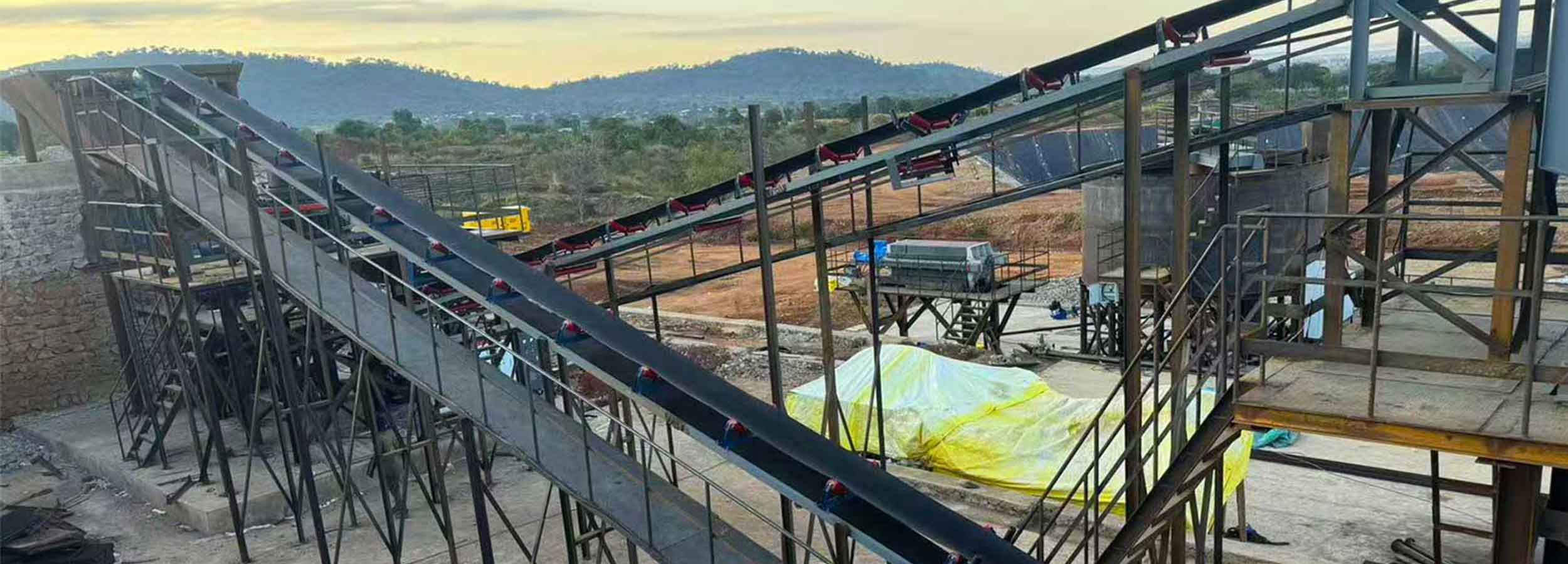
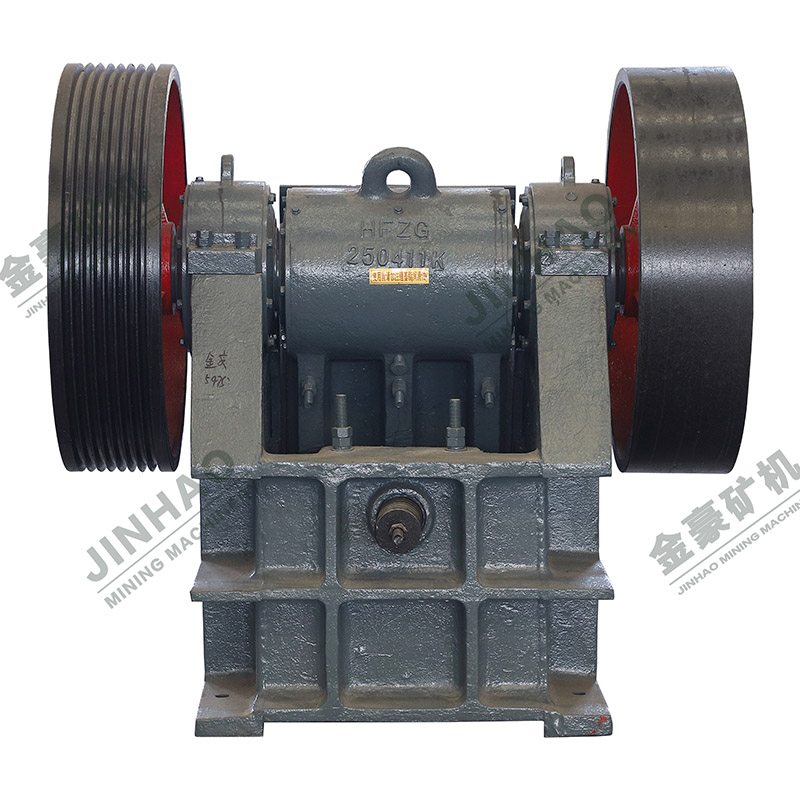
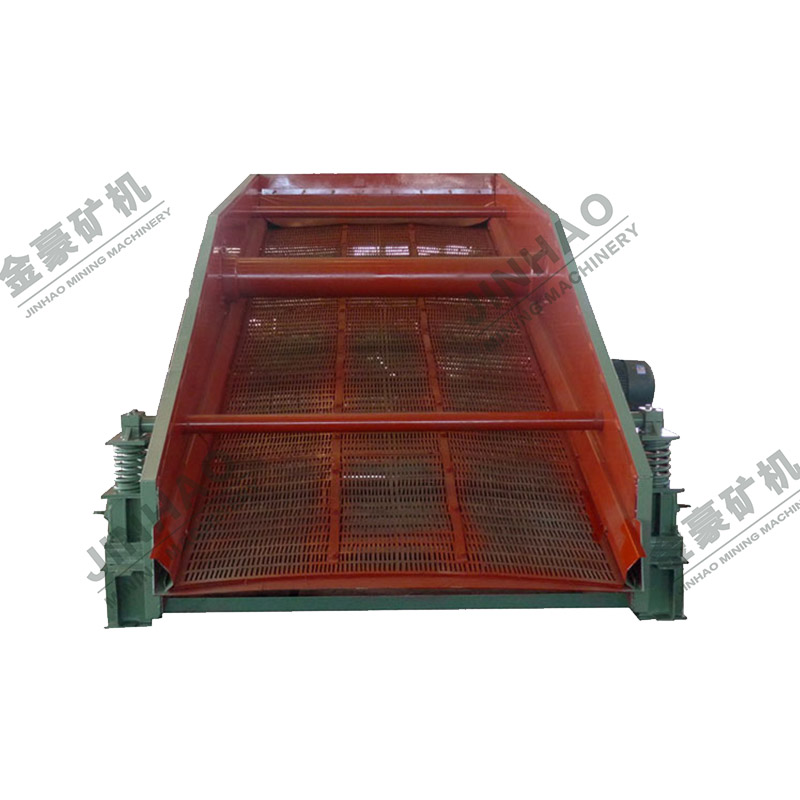
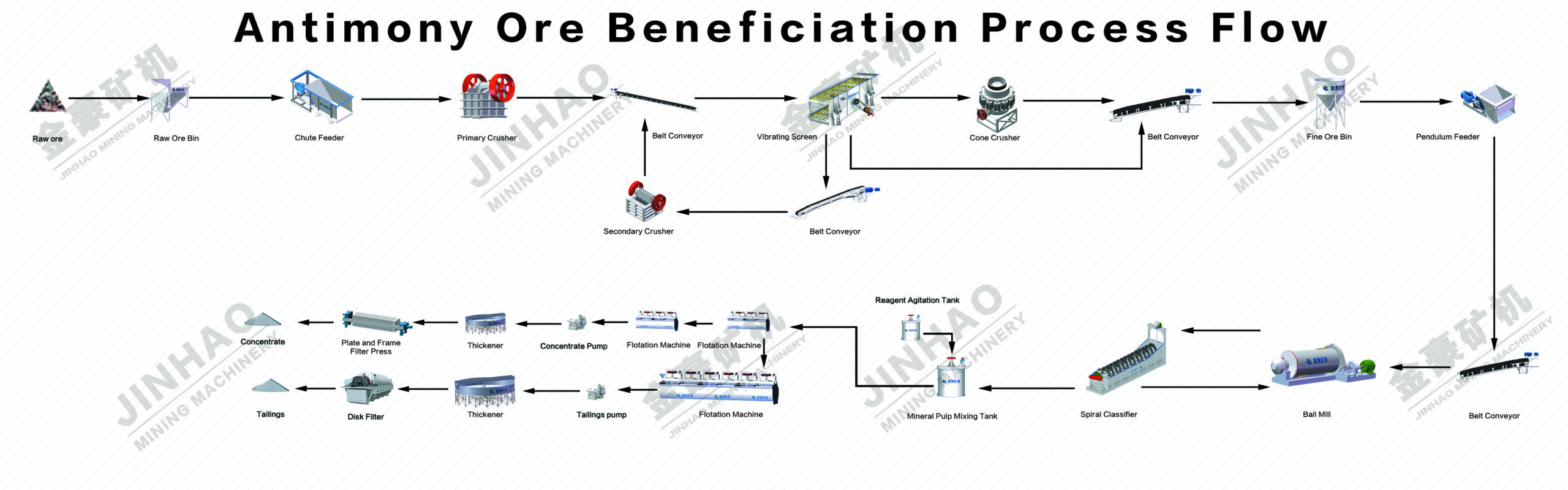
Crushing & Classification: Raw ore is fed via a chute feeder to the primary jaw crusher for initial crushing, then further refined by the secondary crusher. A circular vibrating screen completes particle size classification, and unqualified materials are returned to the secondary crusher for re-crushing to ensure uniform ore particle size.
02
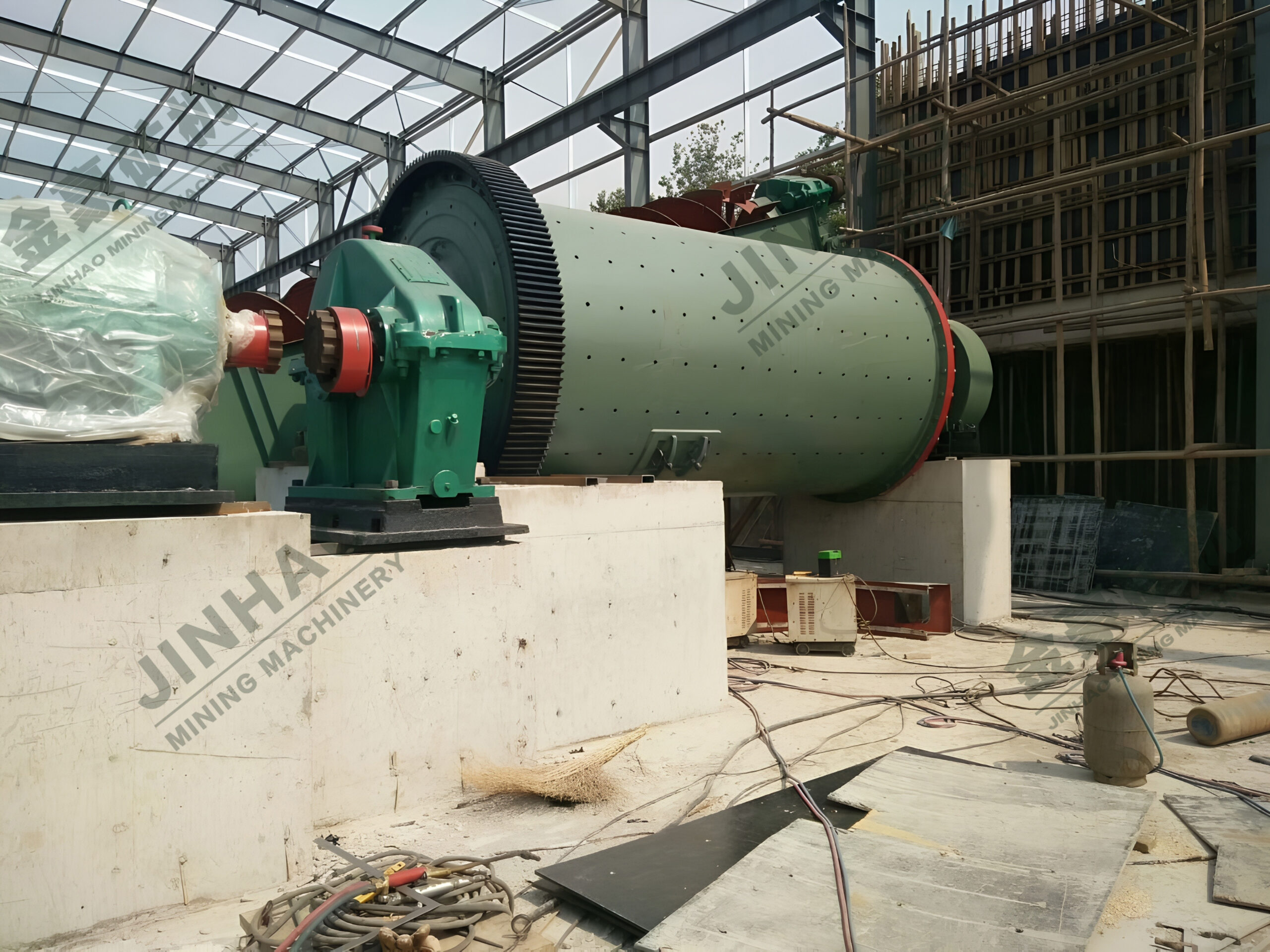
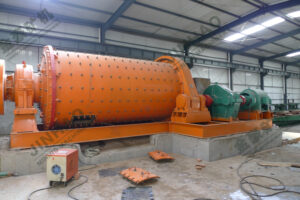
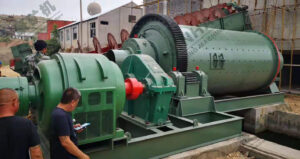
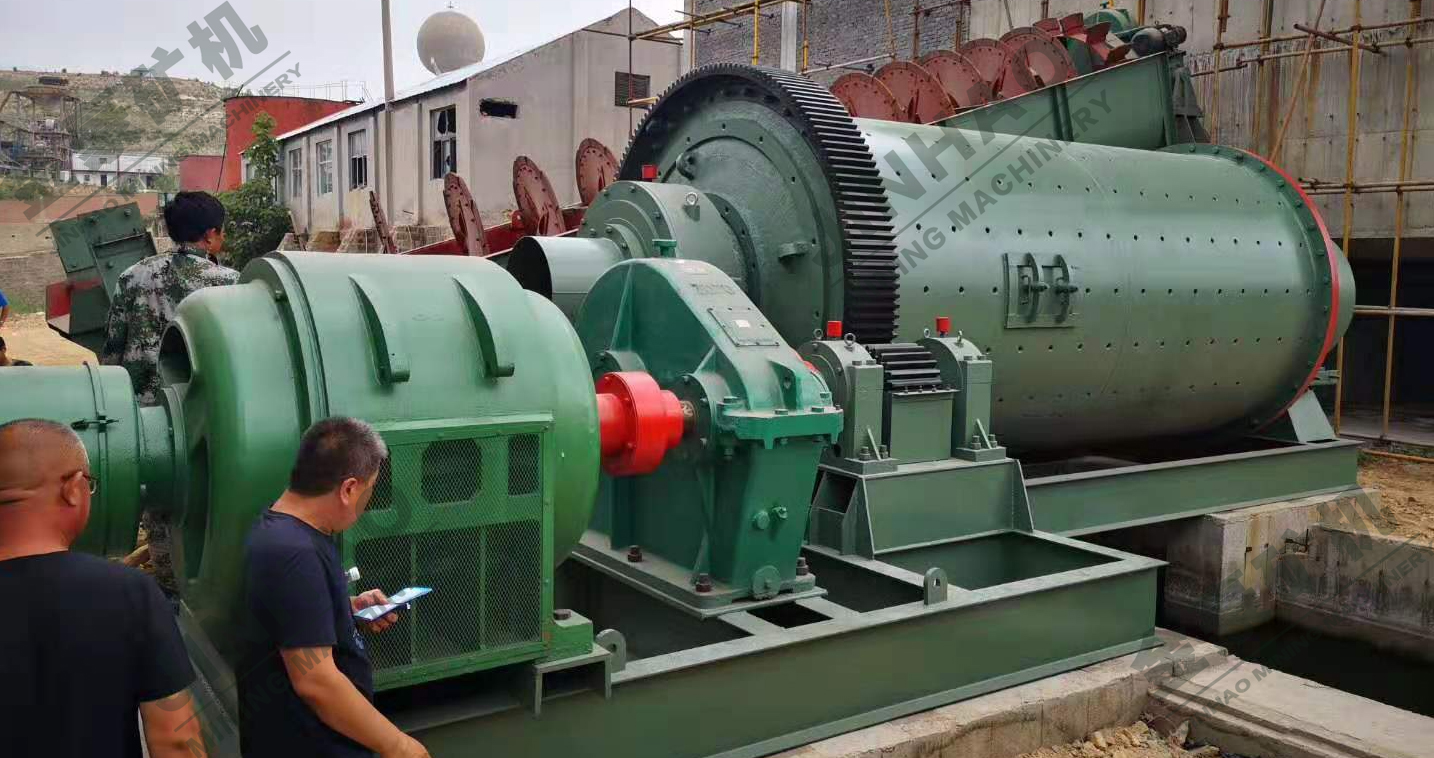
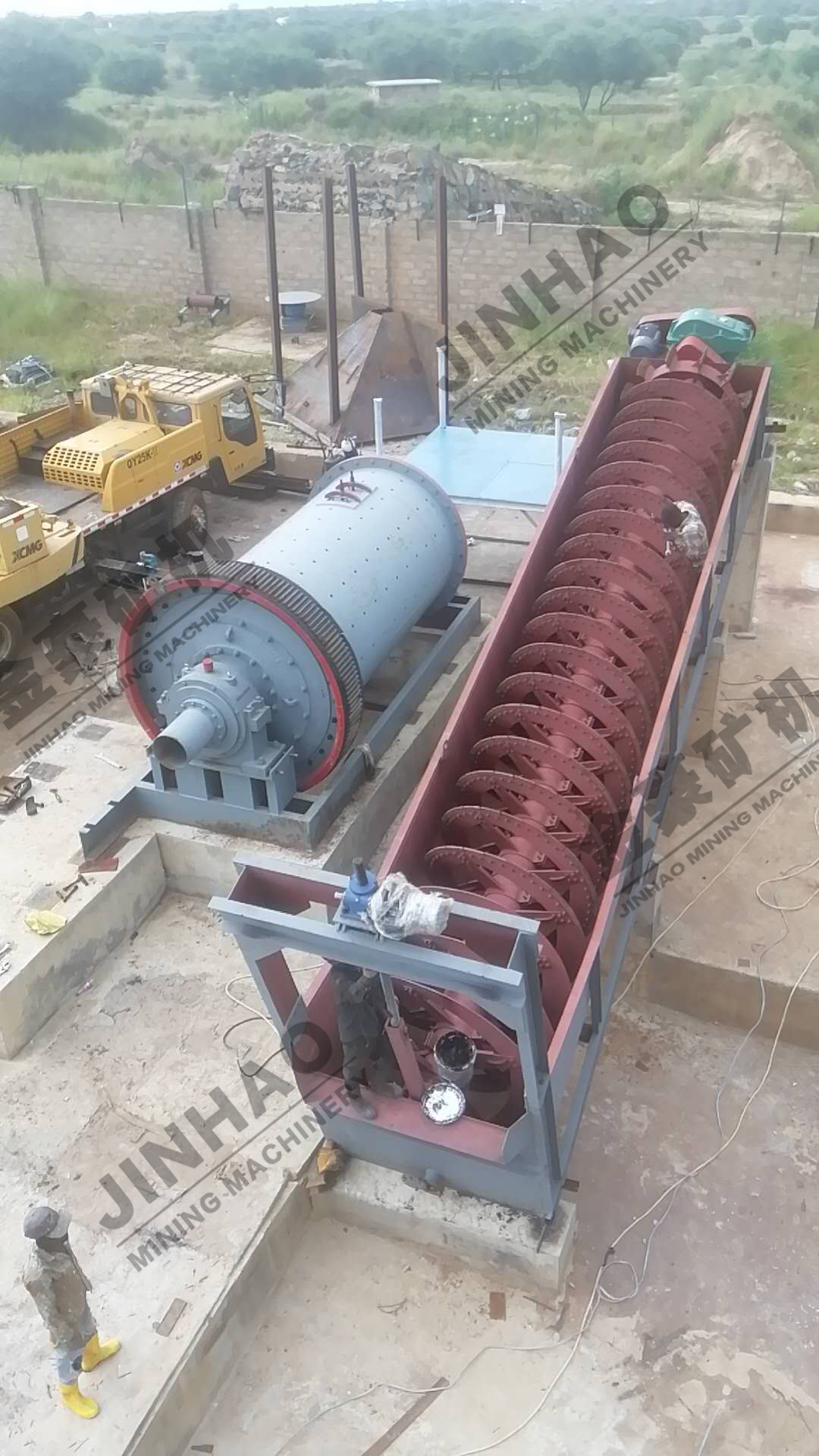
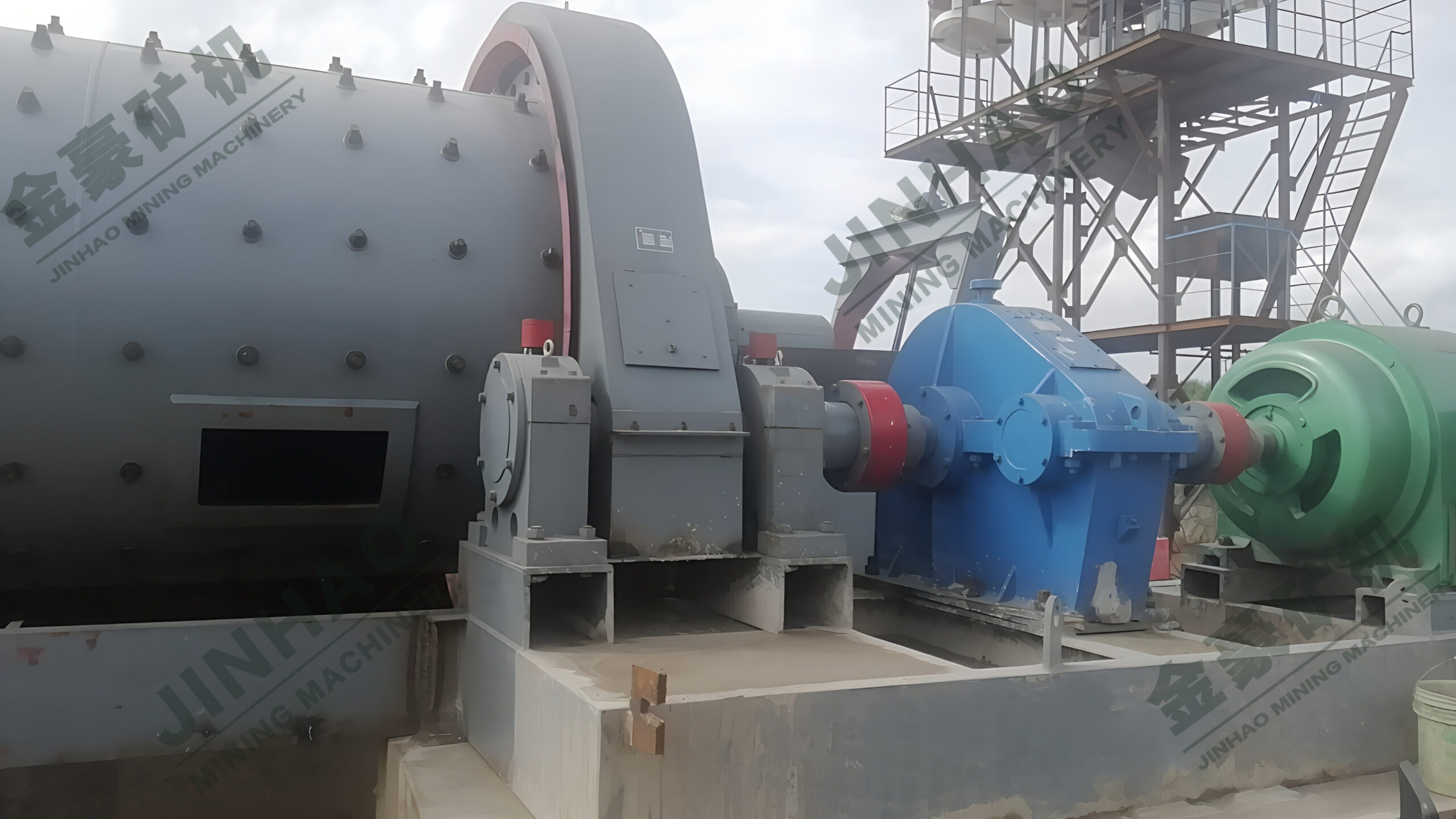
Grinding & Classification: Crushed ore is transferred to the fine ore bin via a belt conveyor, then fed to the ball mill for grinding by a pendulum feeder. A spiral classifier separates the pulp into coarse and fine fractions, and qualified pulp enters the flotation process.
03
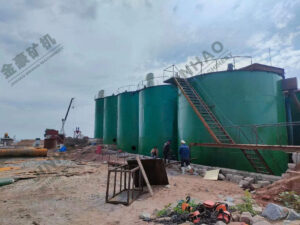
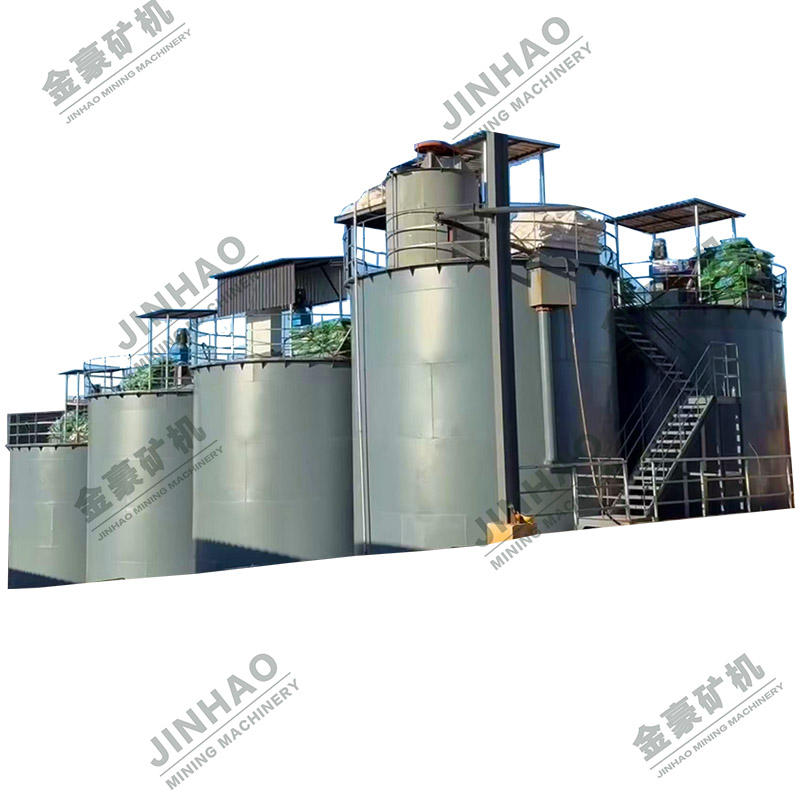
Pulp Conditioning: Ground pulp is sent to the pulp agitation tank, and collectors, frothers and other flotation reagents are added via the reagent agitation tank to hydrophobize the surface of antimony minerals, preparing for flotation separation.
04
Flotation Separation: Conditioned pulp enters the multi-cell flotation machine; aeration and stirring make antimony minerals attach to bubbles and float, forming concentrate foam; tailings enter the subsequent dewatering process.
05
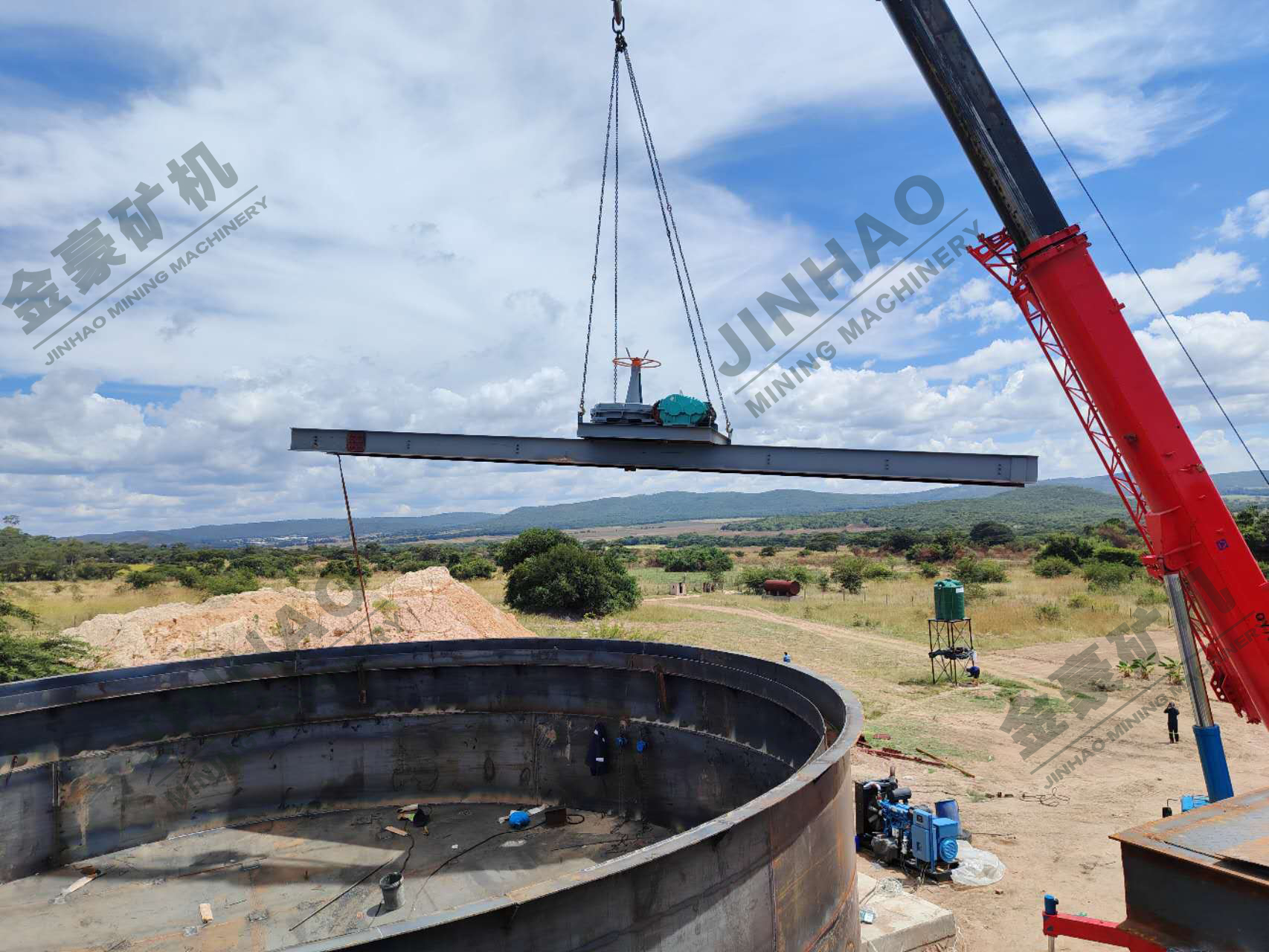
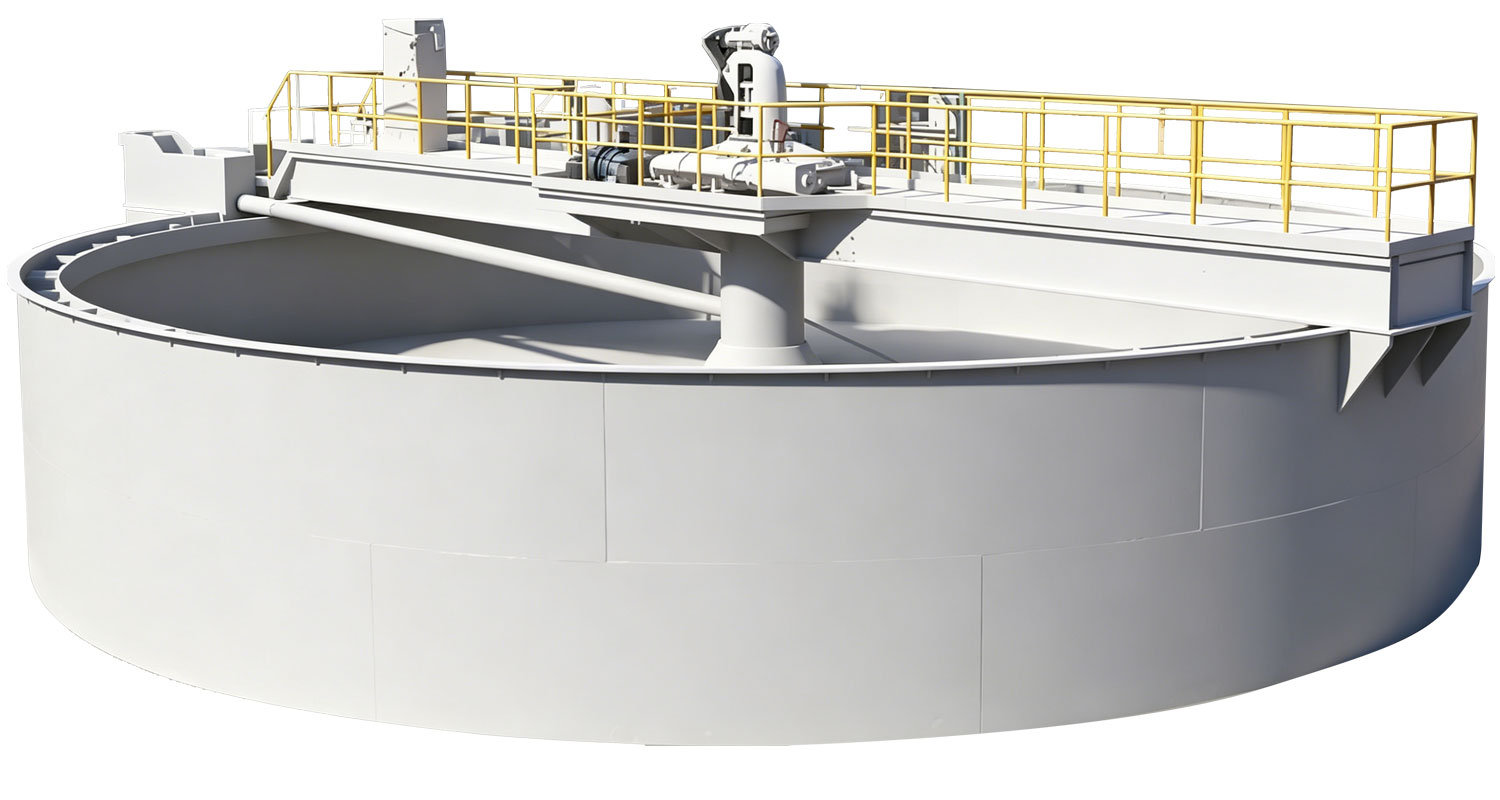
Dewatering: Flotation concentrate is pumped to the thickener and plate-and-frame filter press for dewatering to obtain high-grade antimony concentrate; tailings are pumped to the thickener and disk filter for treatment to meet environmental discharge standards.
Process Flow Diagram
The enrichment ratio of antimony minerals reaches 50-200 times, and the comprehensive recovery rate is stably 85%-92%, effectively improving resource utilization
It can simultaneously enrich associated metals such as gold, silver, lead and zinc, increasing additional project revenue.
After treatment, the water recycling rate of tailings exceeds 80%, reducing wastewater discharge and meeting environmental requirements.
Low reagent consumption, adaptable to various antimony ore types such as sulfide ore and low-grade ore, suitable for mines of different scales.
Related Products
Product Features This product is used in the carbon slurry...
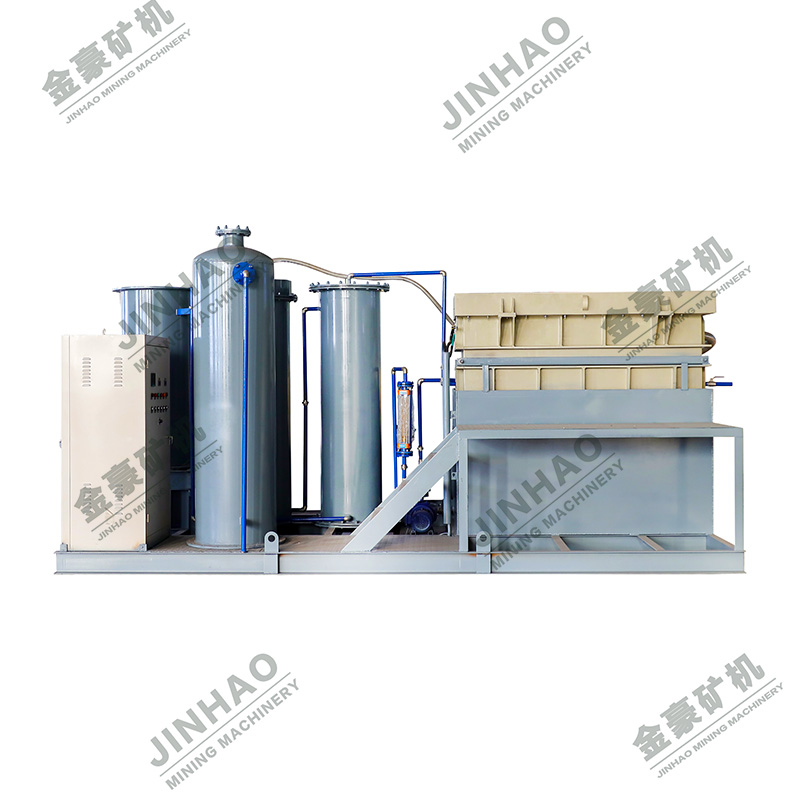
Product Features The desorption electrolysis unit is key equipment in...
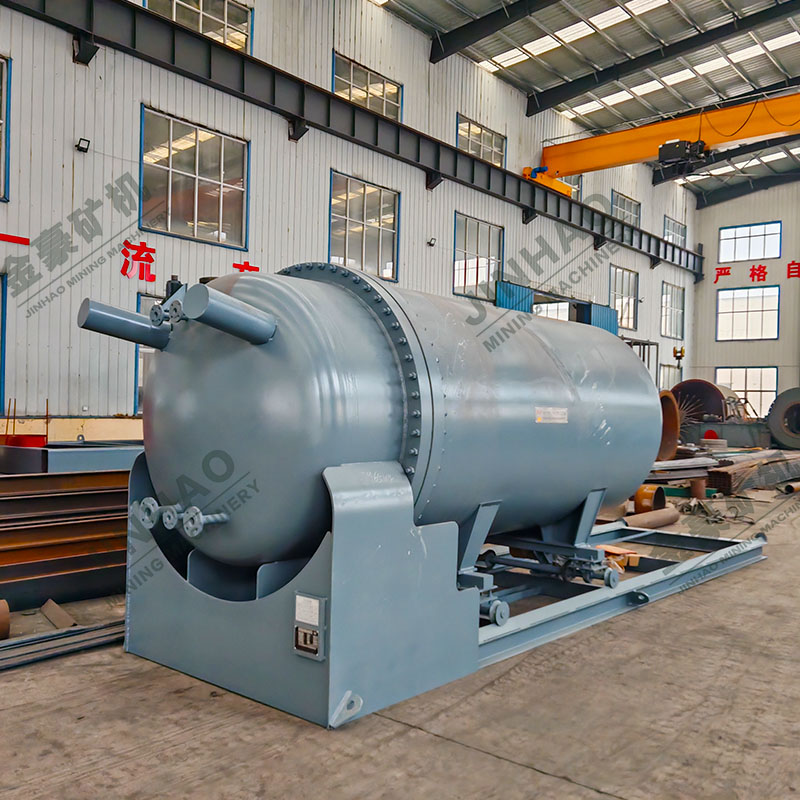
Product Features - The complete set of desorption-electrolysis system equipment...
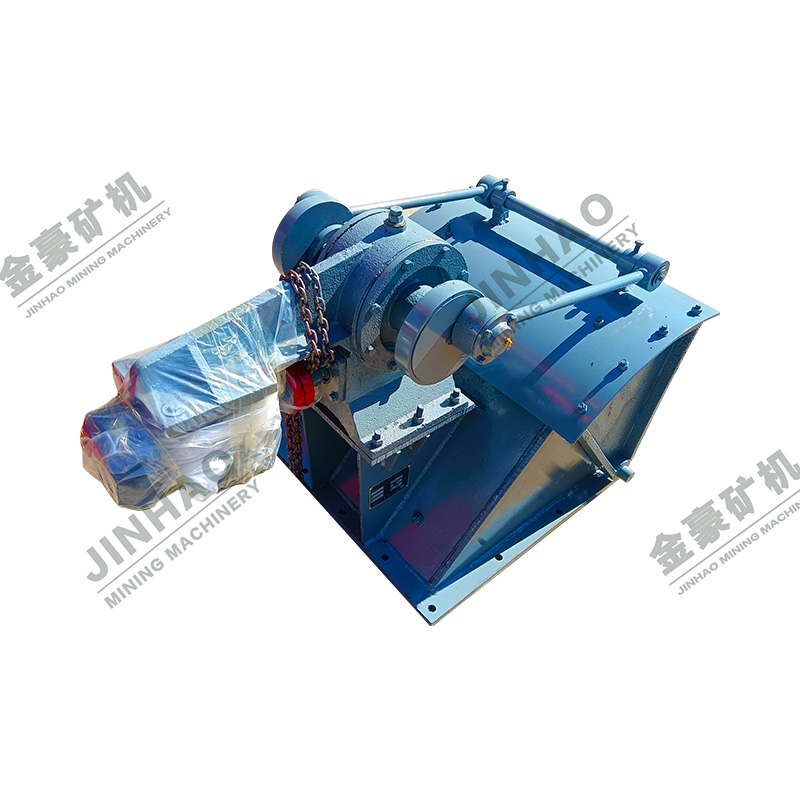
Product Features The oscillating feeder is suitable for the mining,...
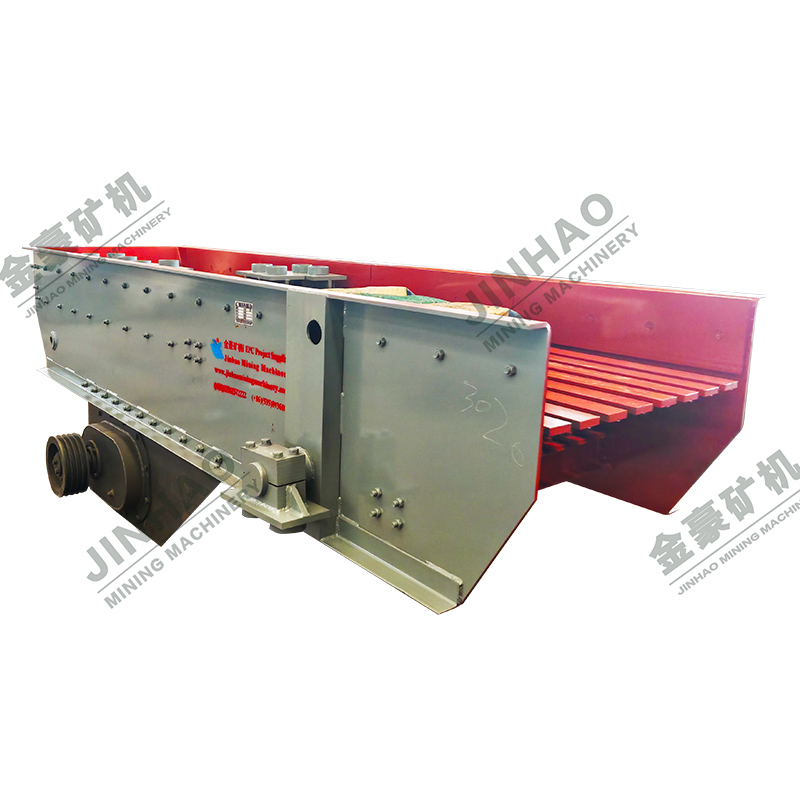
Product Features The ZSW‑series vibrating feeder is mainly used to...
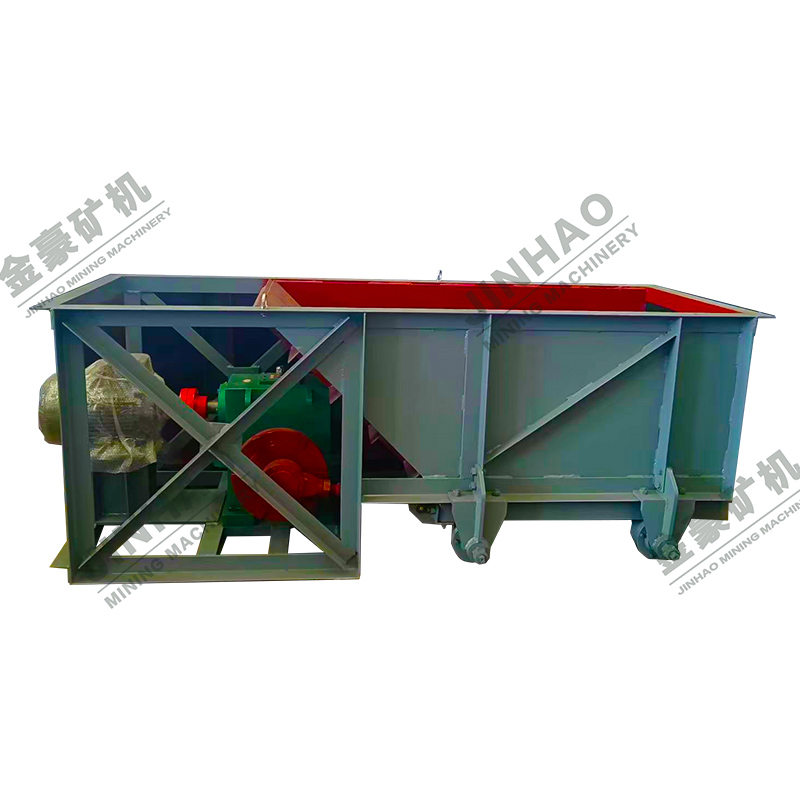
Product Features The trough feeder is generally suspended at the...
Product Features The GZ series electromagnetic vibrating feeder is used...
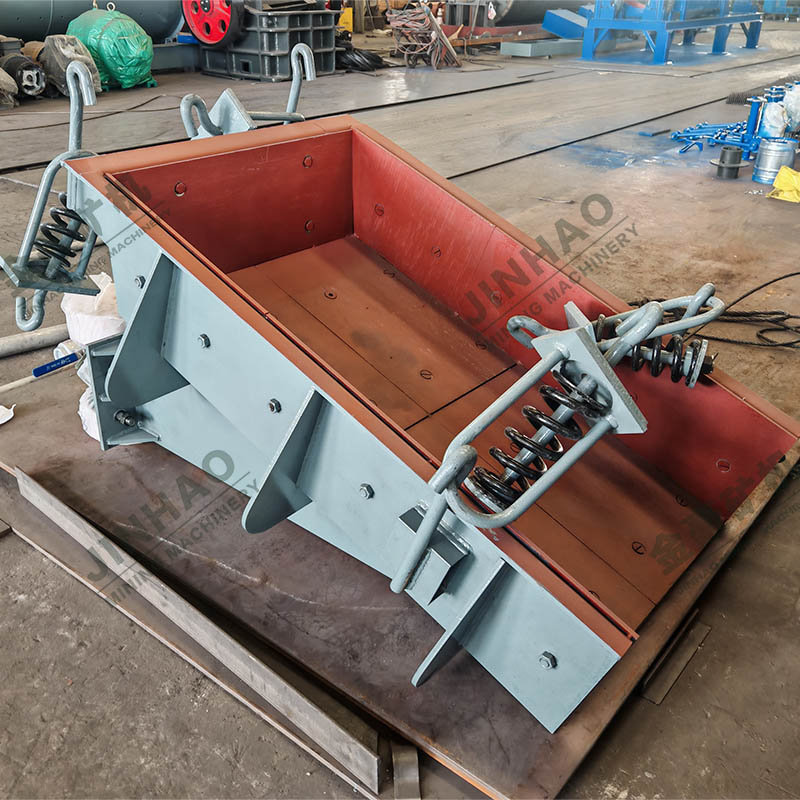
Product Features The DZ Series Motor Vibrating Feeder is a...
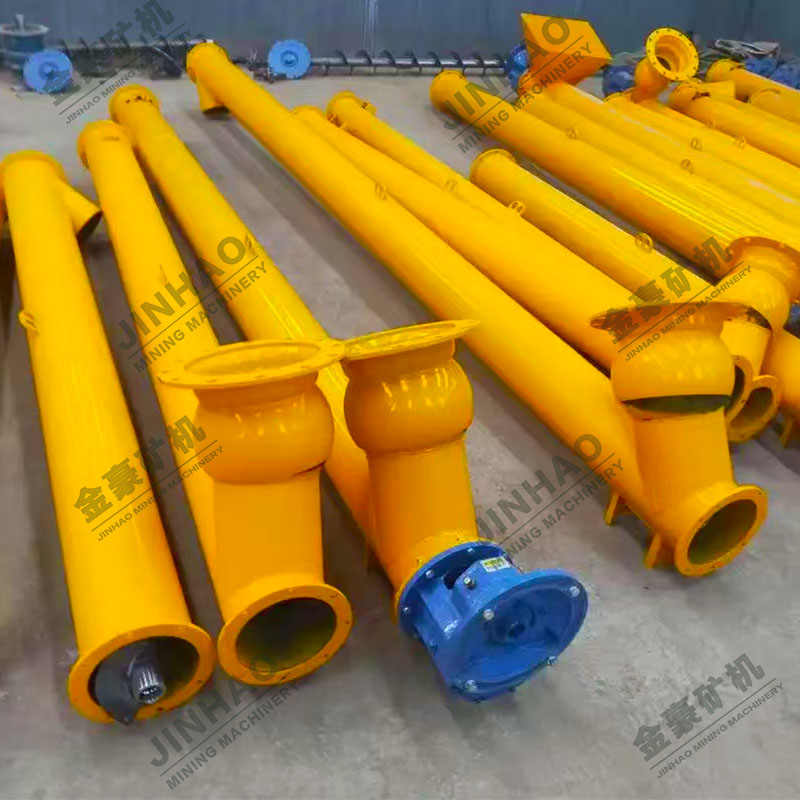
Product Features The spiral feeder is mainly used for continuous...
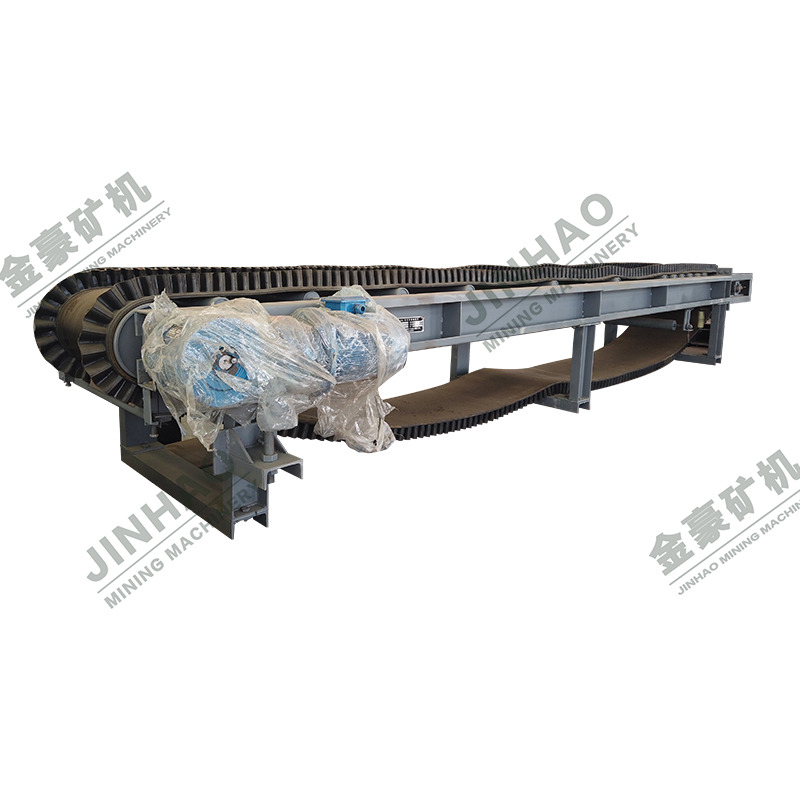
Product Features The belt feeder is a relatively short-length belt...