
Introduction
Introduction
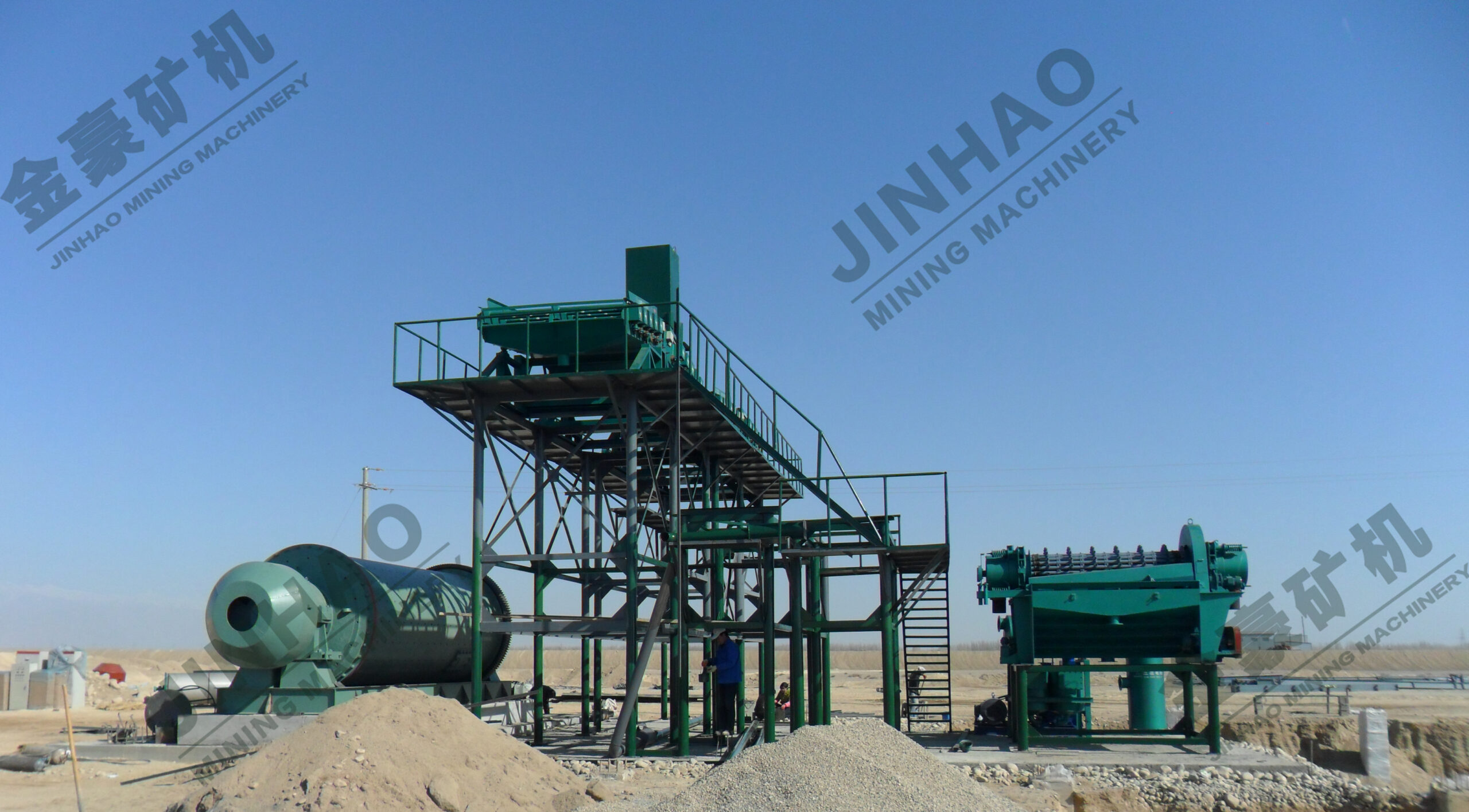
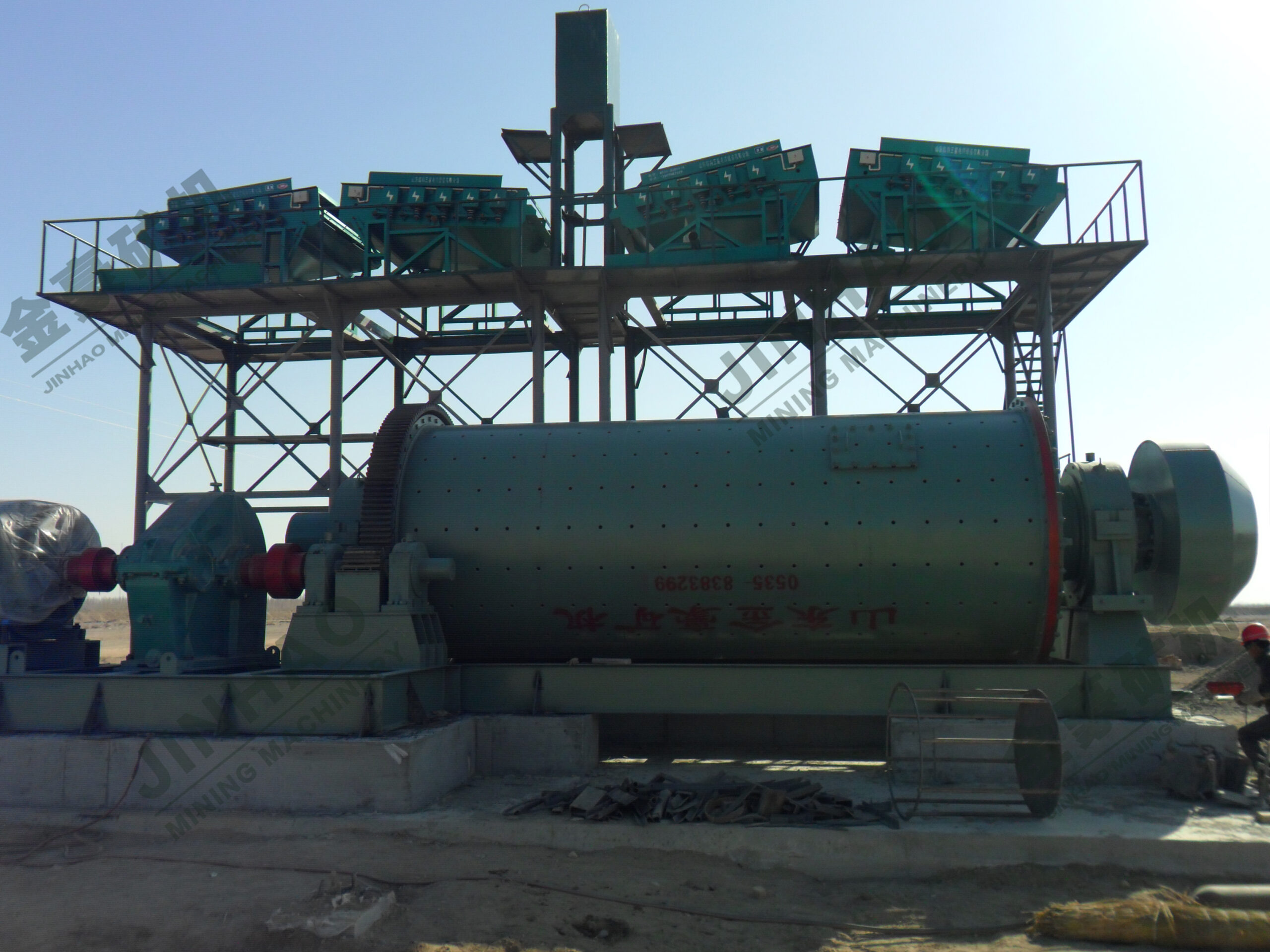
The hematite processing flow is a closed-loop enrichment system centered on "crushing-grinding-magnetic separation-dewatering". Targeting the weak magnetic properties of hematite, it achieves precise separation of iron minerals from gangue via multi-stage crushing, fine grinding liberation, and magnetic separation combination processes. It features high enrichment ratio, stable recovery rate, and environmental closed-loop operation, meeting large-scale iron concentrate production needs of various hematite ores.
Application
🟡Weakly magnetic hematite: Weakly magnetic iron ore with hematite as the core mineral 🟡Fine-grained disseminated hematite: Ore with fine-disseminated iron minerals (0.01-0.1mm) that require fine grinding for liberation 🟡Low-grade hematite: Low-grade resources with 20%-40% iron grade that require magnetic separation enrichment 🟡Hematite with associated gangue: Hematite ore associated with gangue (quartz, silicate, etc.)
Process Flow
01
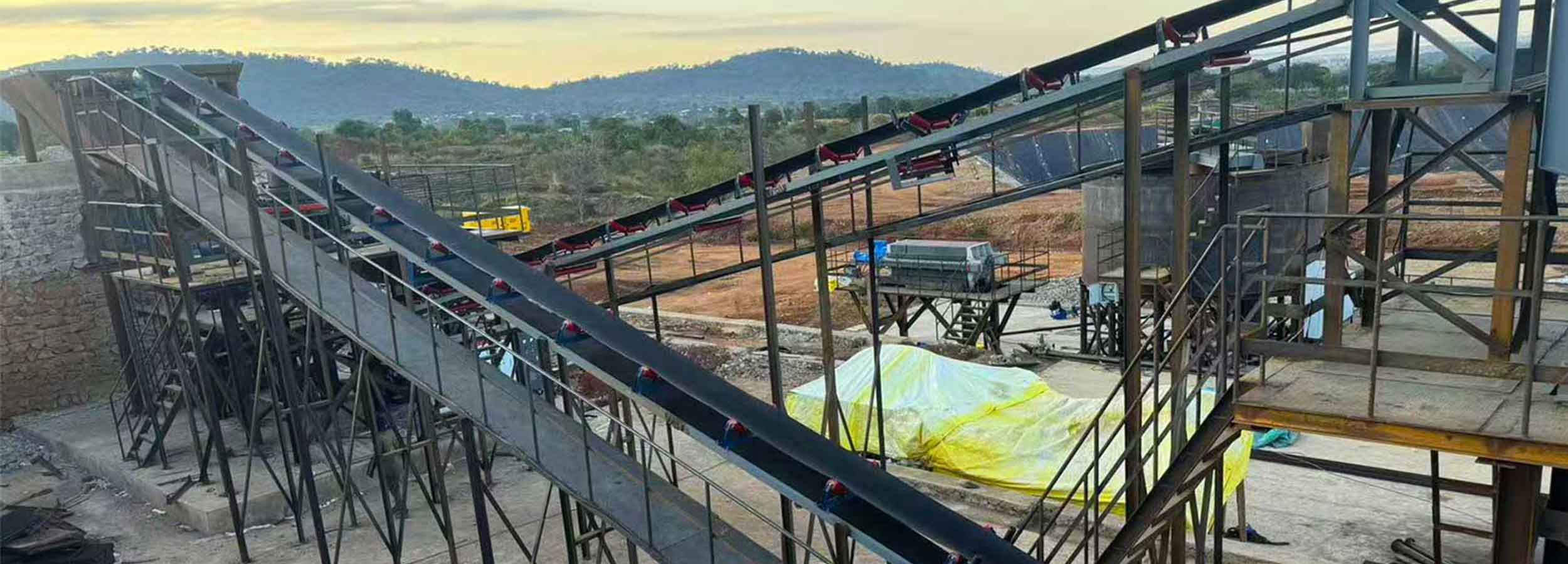
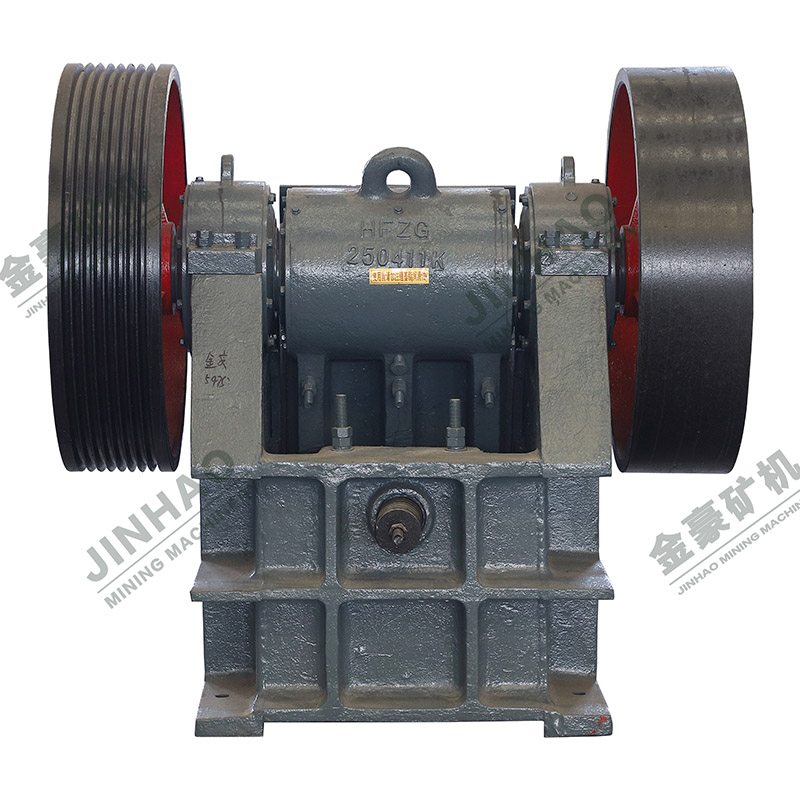
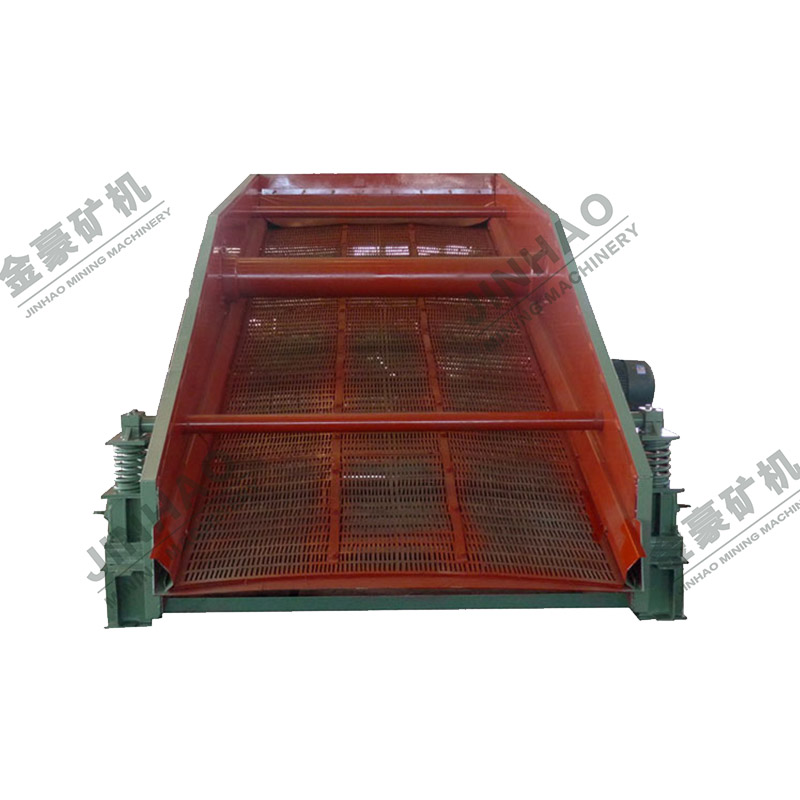
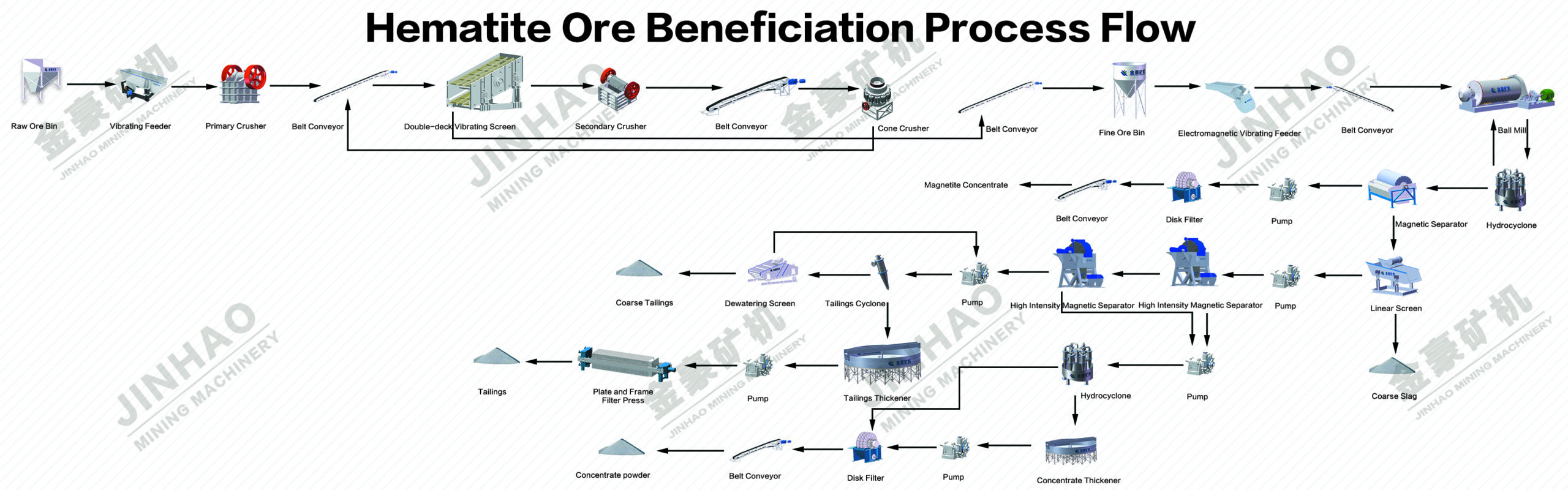
Multi-stage Crushing: Raw ore is fed from the raw ore bin to the primary crusher for coarse crushing via a vibrating feeder, then sent to the secondary crusher for fine crushing via a belt conveyor → double-layer vibrating screen classification, and finally finished crushing via a cone crusher to ensure the ore particle size meets grinding requirements.
02
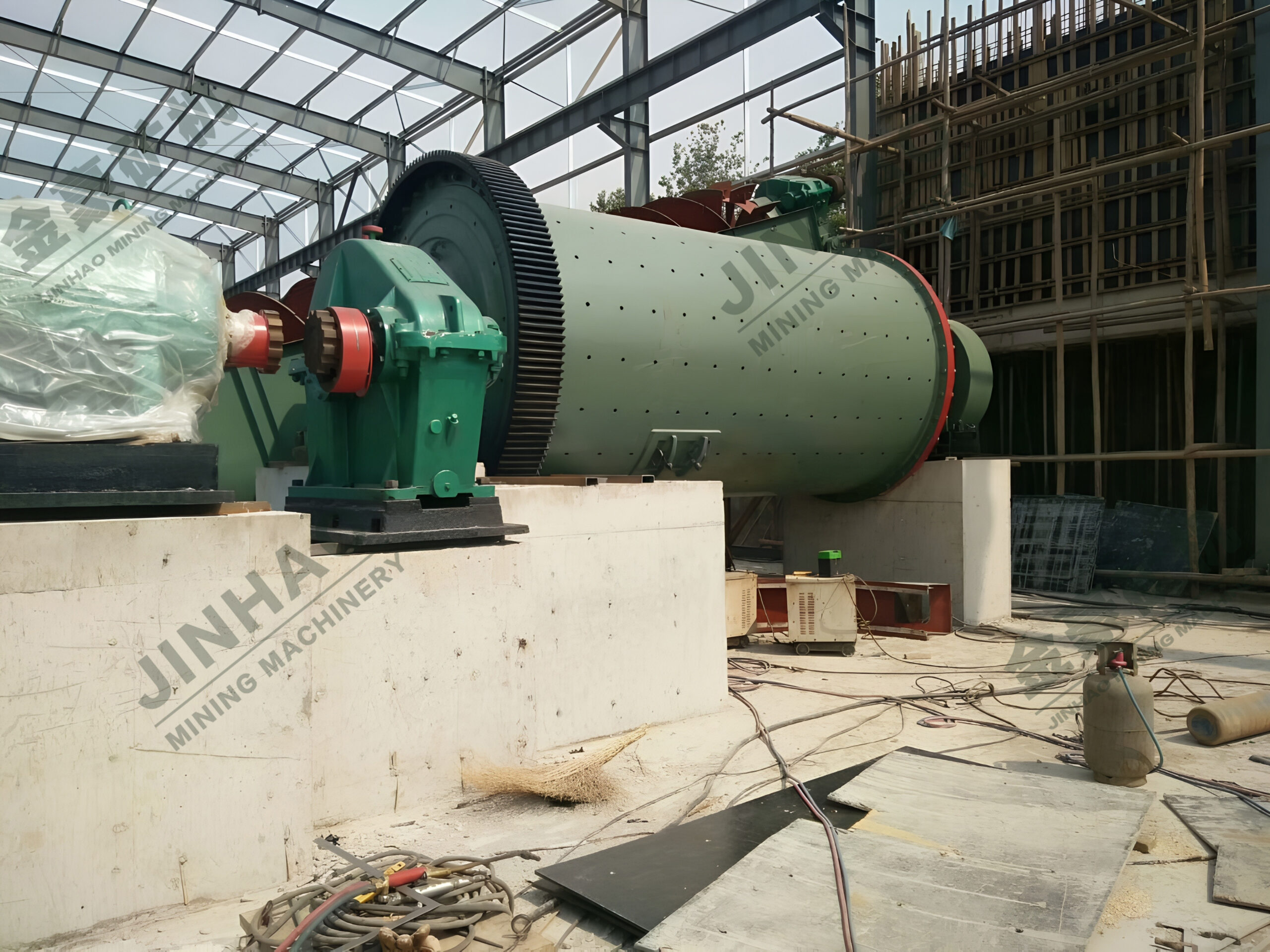
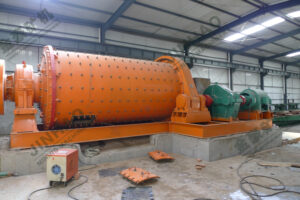
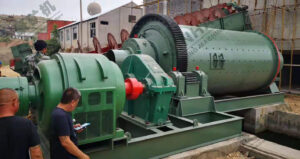
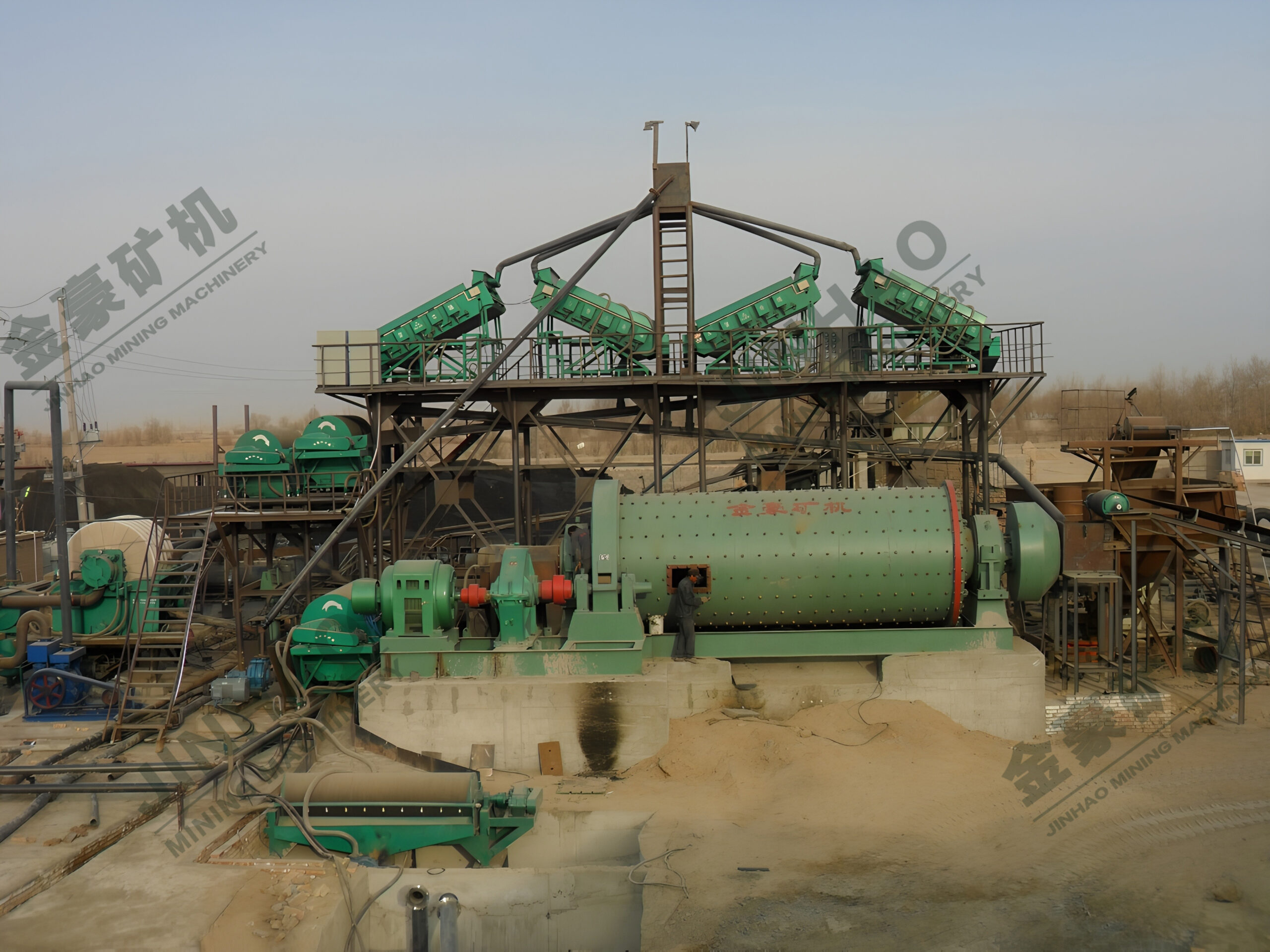
Grinding & Liberation: Crushed ore is sent to the ball mill for fine grinding via a belt conveyor → fine ore bin → electromagnetic vibrating feeder, fully liberating iron minerals from gangue.
03
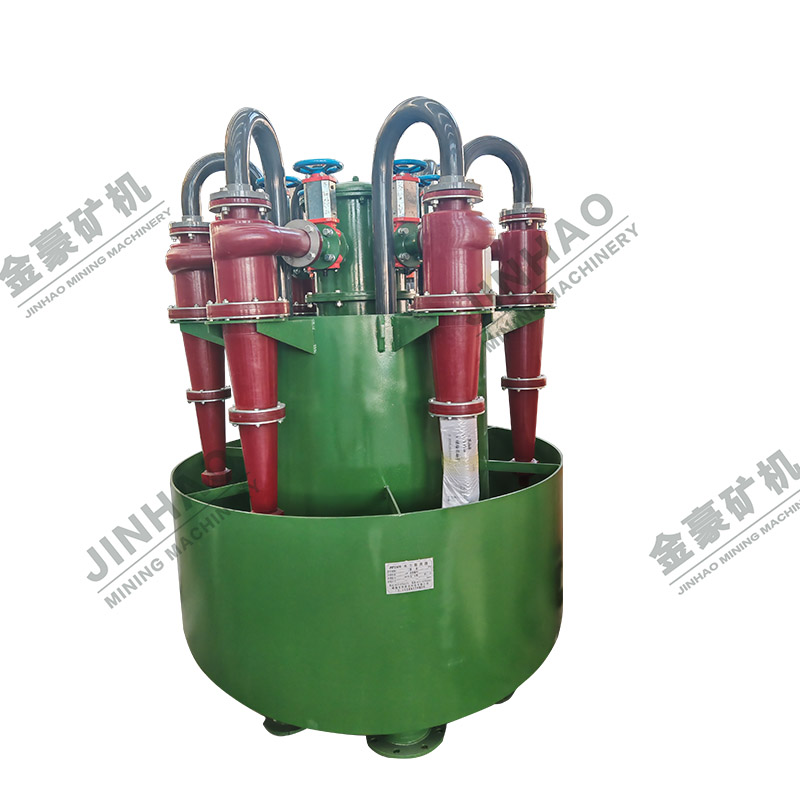
Magnetic Separation Enrichment: Ground pulp is classified via a hydrocyclone → rough-separated via a magnetic separator → screened via a linear screen → beneficiated via a vertical ring magnetic separator, separating iron minerals from gangue to obtain rough concentrate.
04
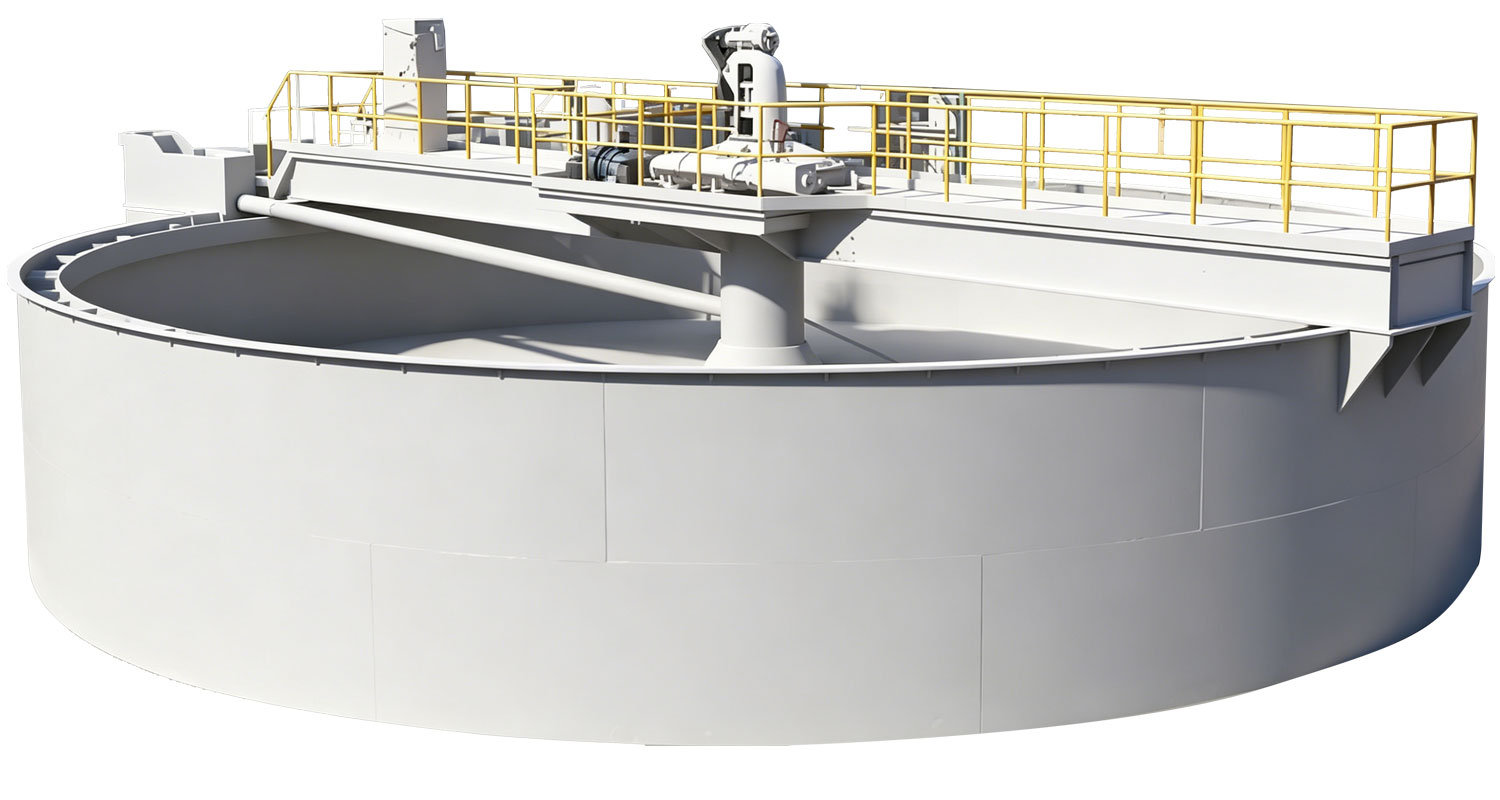
Dewatering & Finished Product: Rough concentrate is dewatered via a concentrate thickener → disk filter to obtain high-grade iron concentrate powder; tailings are treated via a tailings thickener → plate-and-frame filter press and discharged up to standard.
Process Flow Diagram
The magnetic separation process is optimized for hematite's weak magnetism, enabling iron concentrate grade to reach over 65% with a stable 75%-85% comprehensive recovery rate.
Tailings dewatering enables ≥80% water recycling rate, with zero-pollution wastewater discharge, meeting environmental production standards.
The combined process of coarse crushing-fine grinding-multi-stage magnetic separation allows precise control of iron concentrate grade, adapting to different customers' quality requirements.
Core equipment (ball mill, magnetic separator) has mature technology, with easy wearing part replacement and low operation cost.
Compatible with various hematite ores (low-grade, fine-disseminated, etc.), suiting production scales from small-to-medium mines to large concentrators.
Related Products
Product Features This product is used in the carbon slurry...
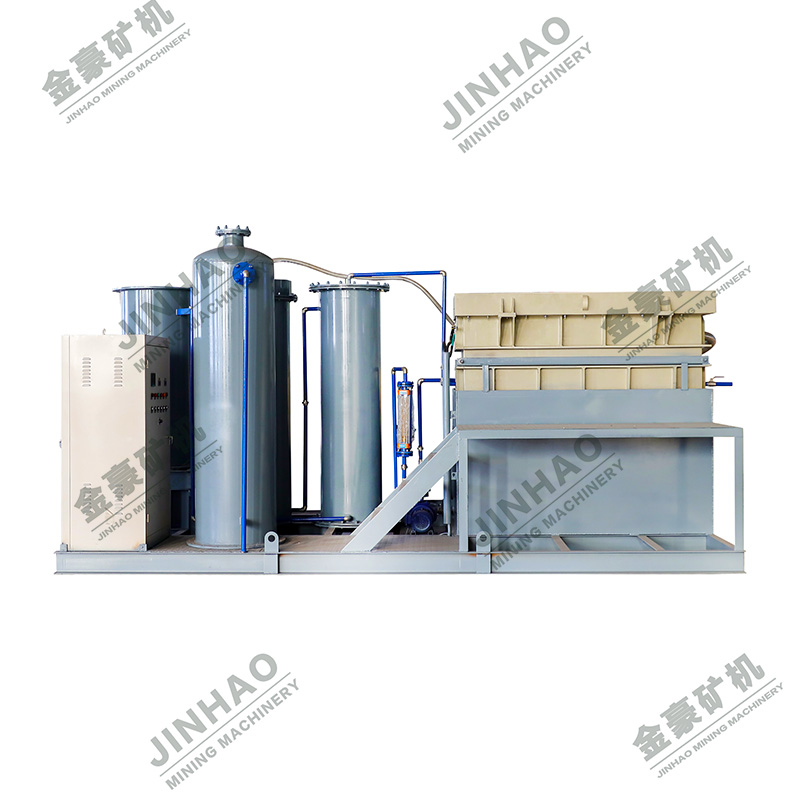
Product Features The desorption electrolysis unit is key equipment in...
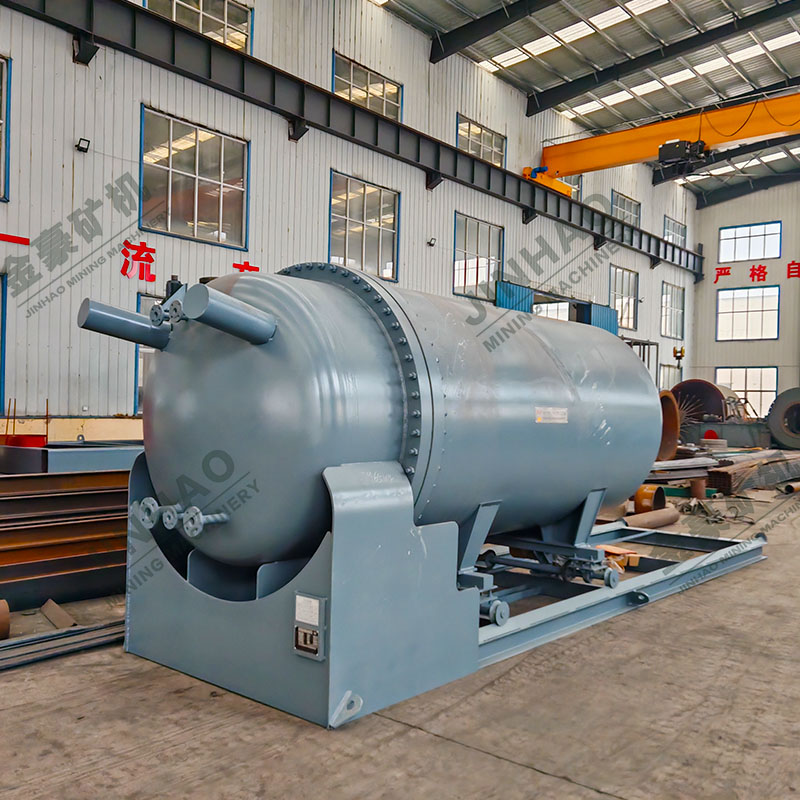
Product Features - The complete set of desorption-electrolysis system equipment...
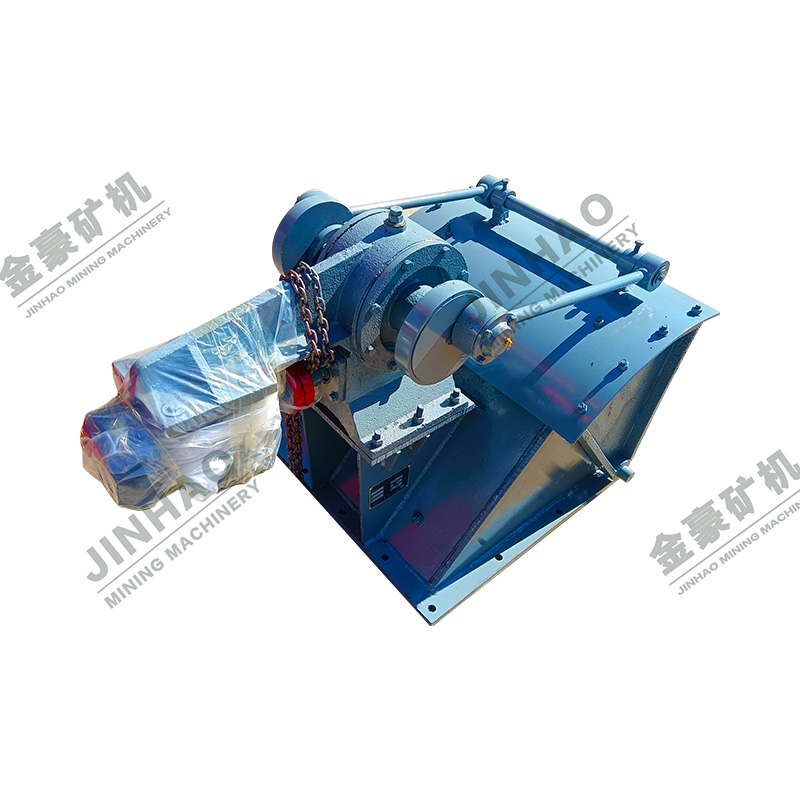
Product Features The oscillating feeder is suitable for the mining,...
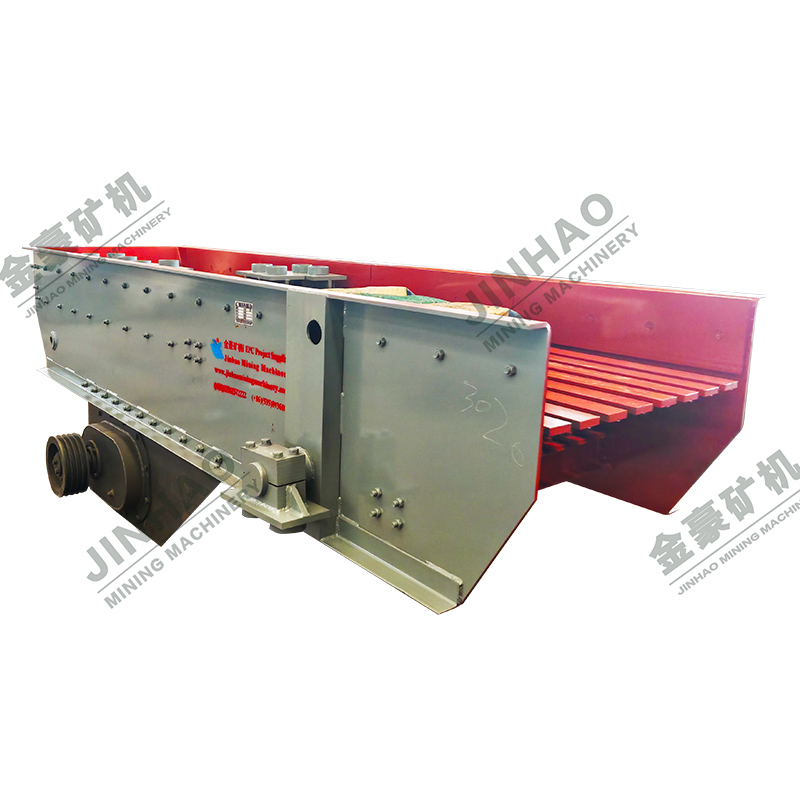
Product Features The ZSW‑series vibrating feeder is mainly used to...
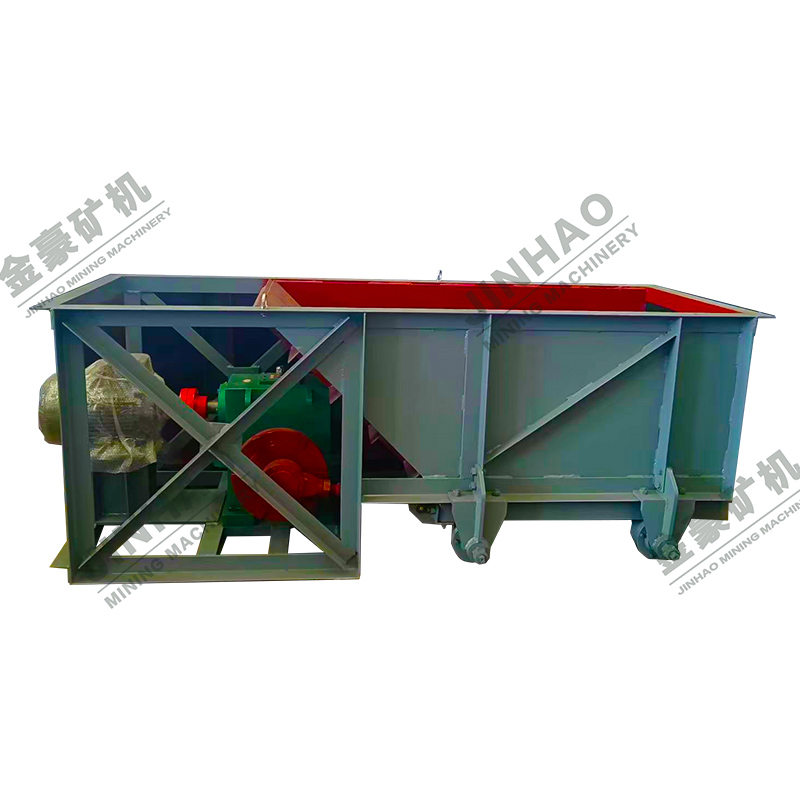
Product Features The trough feeder is generally suspended at the...
Product Features The GZ series electromagnetic vibrating feeder is used...
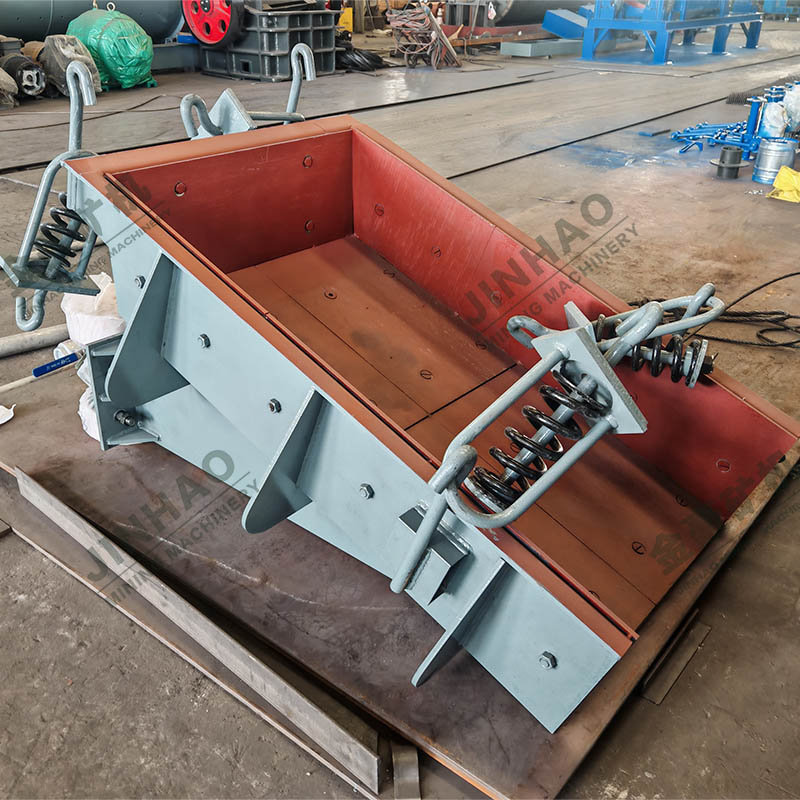
Product Features The DZ Series Motor Vibrating Feeder is a...
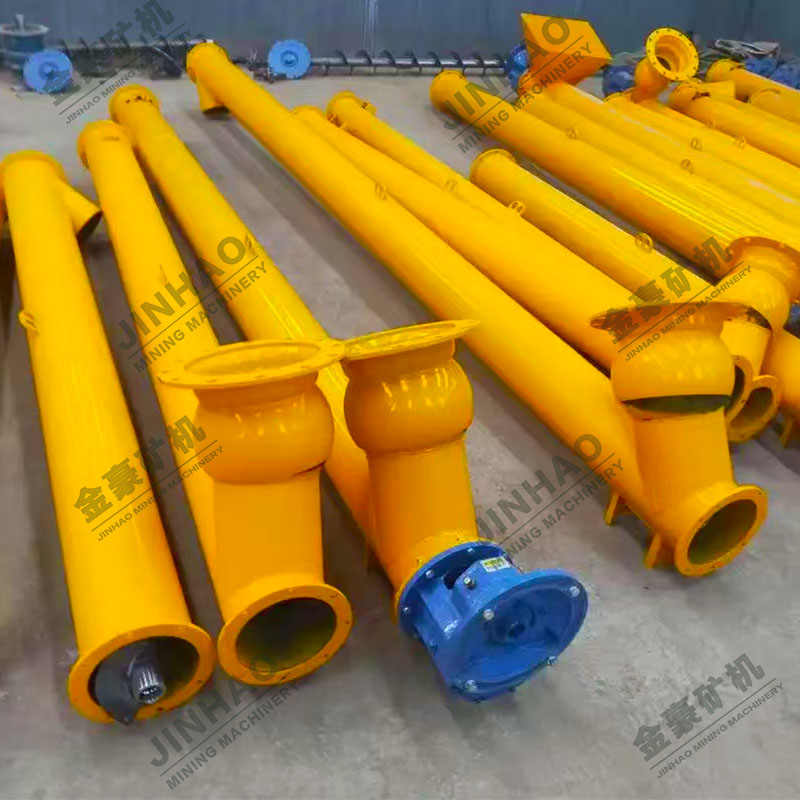
Product Features The spiral feeder is mainly used for continuous...
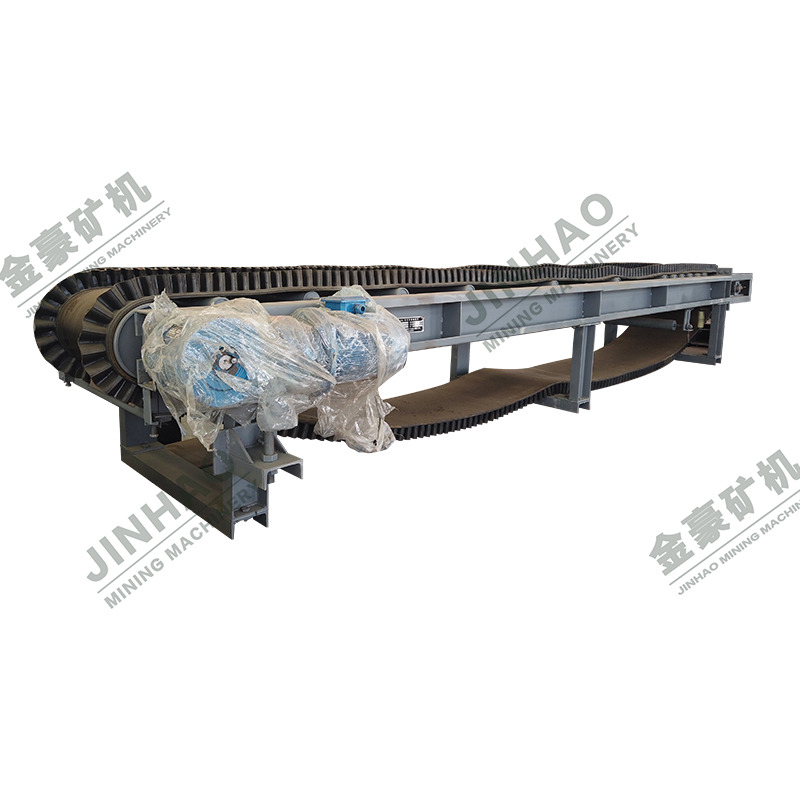
Product Features The belt feeder is a relatively short-length belt...