
Introduction
Introduction
The tailings dry discharge process is an environmentally friendly tailings treatment system centered on "classification-concentration-filtration". It achieves efficient solid-liquid separation of tailings via a combined process of hydrocyclone classification, deep cone thickener concentration, and plate-and-frame filter press dewatering. It features high dewatering efficiency, safe dry stacking, and water resource recycling, significantly reducing tailings dam construction and operation costs, and suiting tailings reduction and harmless treatment needs of various mines.
Application
🟡Metal ore tailings: Tailings from beneficiation of iron, copper, gold, nickel, etc. 🟡Non-metal ore tailings: Tailings from beneficiation of quartz sand, fluorite, phosphate ore, etc. 🟡Fine-grained tailings: Fine tailings with particle size <0.074mm (typical scenario with high dewatering difficulty) 🟡High-moisture tailings: High-humidity tailings with raw pulp moisture content ≥60%
Process Flow
01
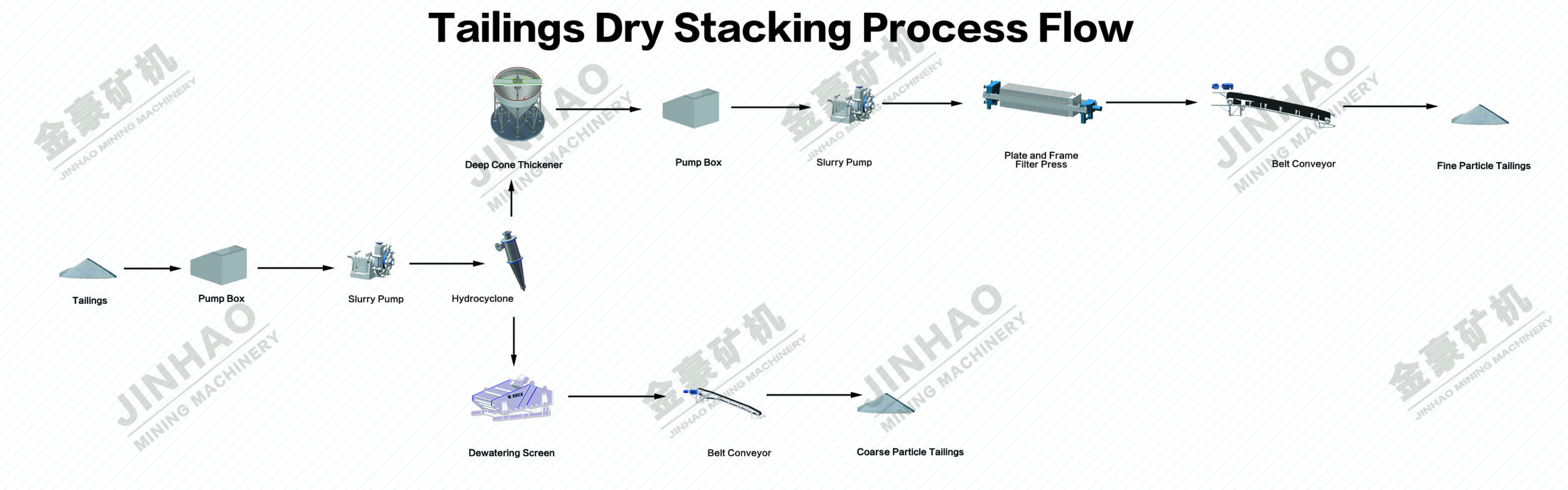
Tailings Conveying: Tailings slurry from the concentrator is conveyed to the hydrocyclone via a pump box and slurry pump.
02
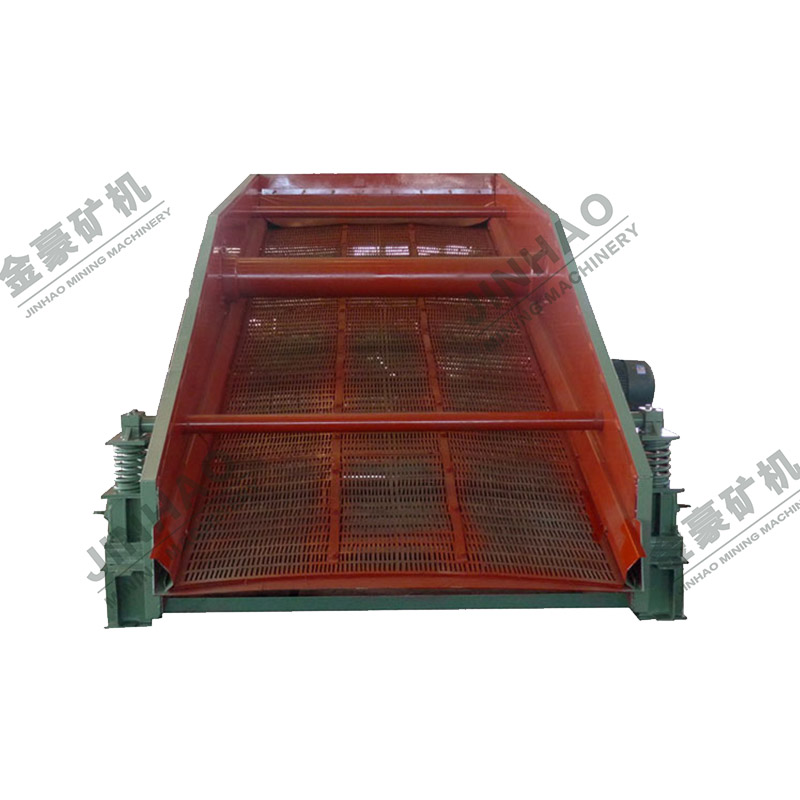
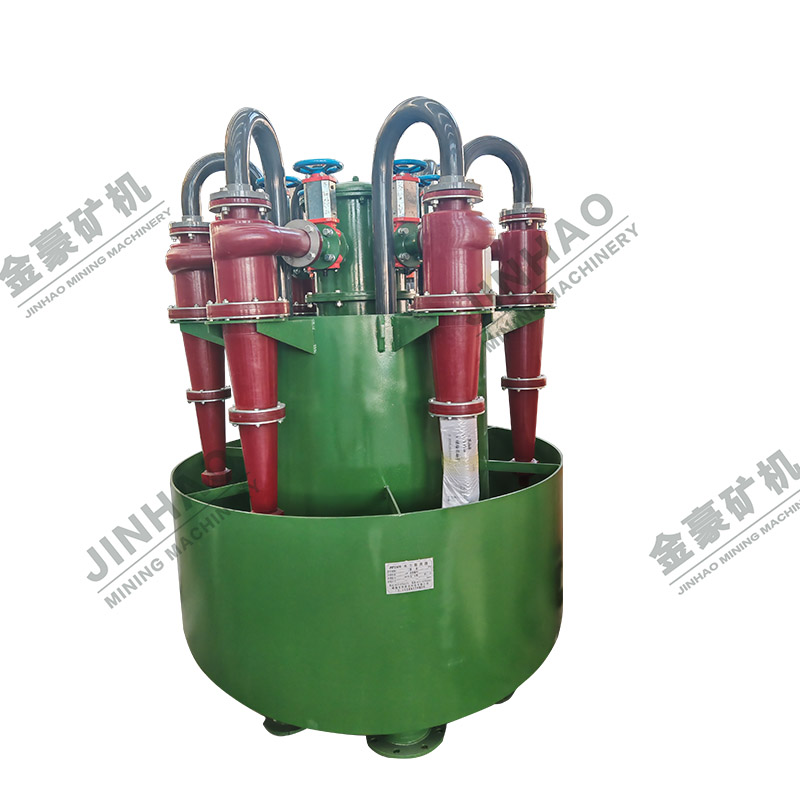
Particle Size Classification: The hydrocyclone separates tailings into coarse and fine fractions. Coarse tailings are dewatered via a dewatering screen to obtain coarse dry tailings, which are directly dry-stacked.
03
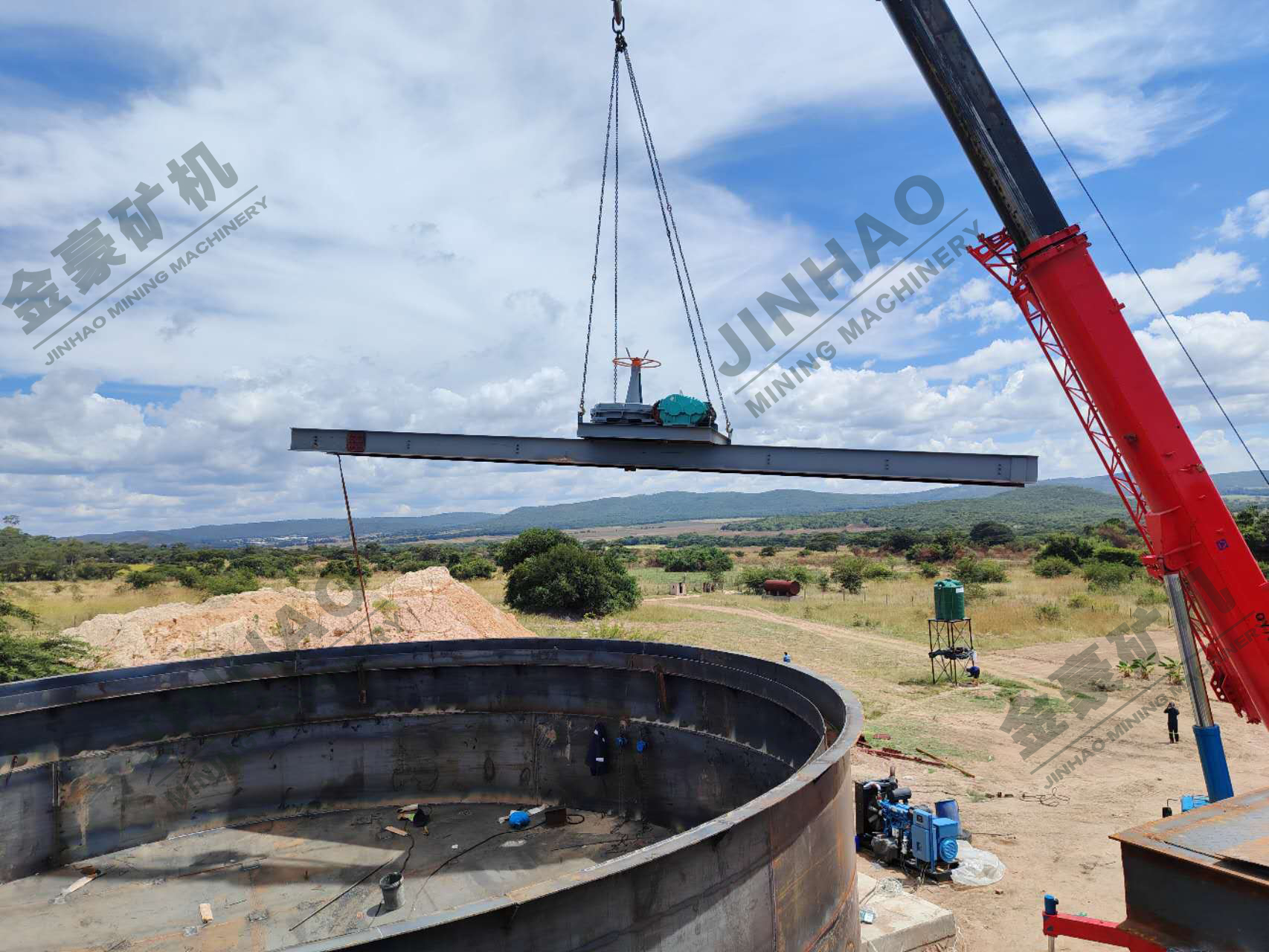
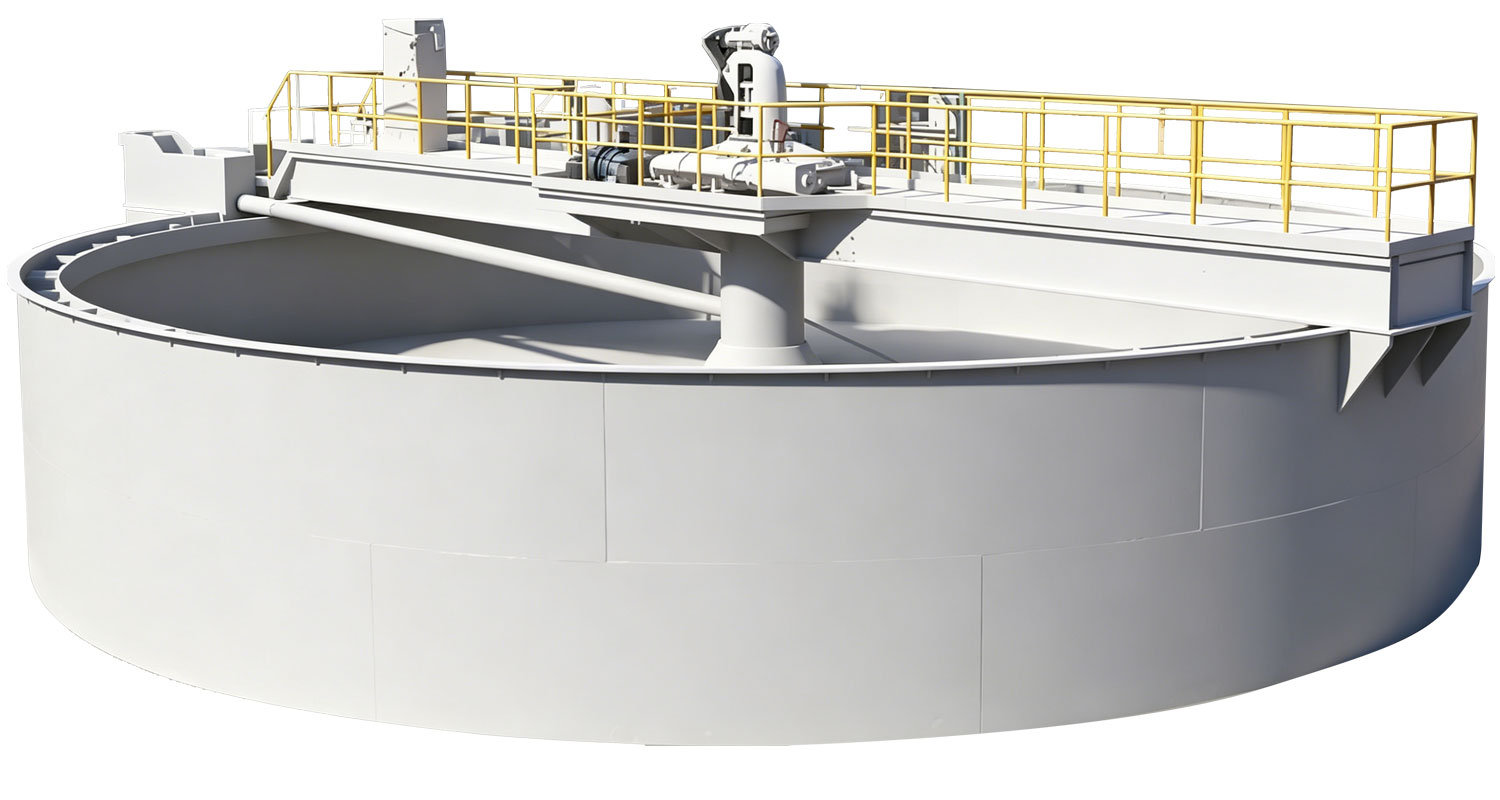
Deep Cone Concentration: Fine tailings slurry enters the deep cone thickener for high-efficiency concentration, increasing pulp concentration to 50%-60%.
04
Filter Press Dewatering: Concentrated fine tailings slurry is sent to the plate-and-frame filter press via a pump box and slurry pump, dewatered to obtain fine dry tailings with moisture content ≤20%.
05
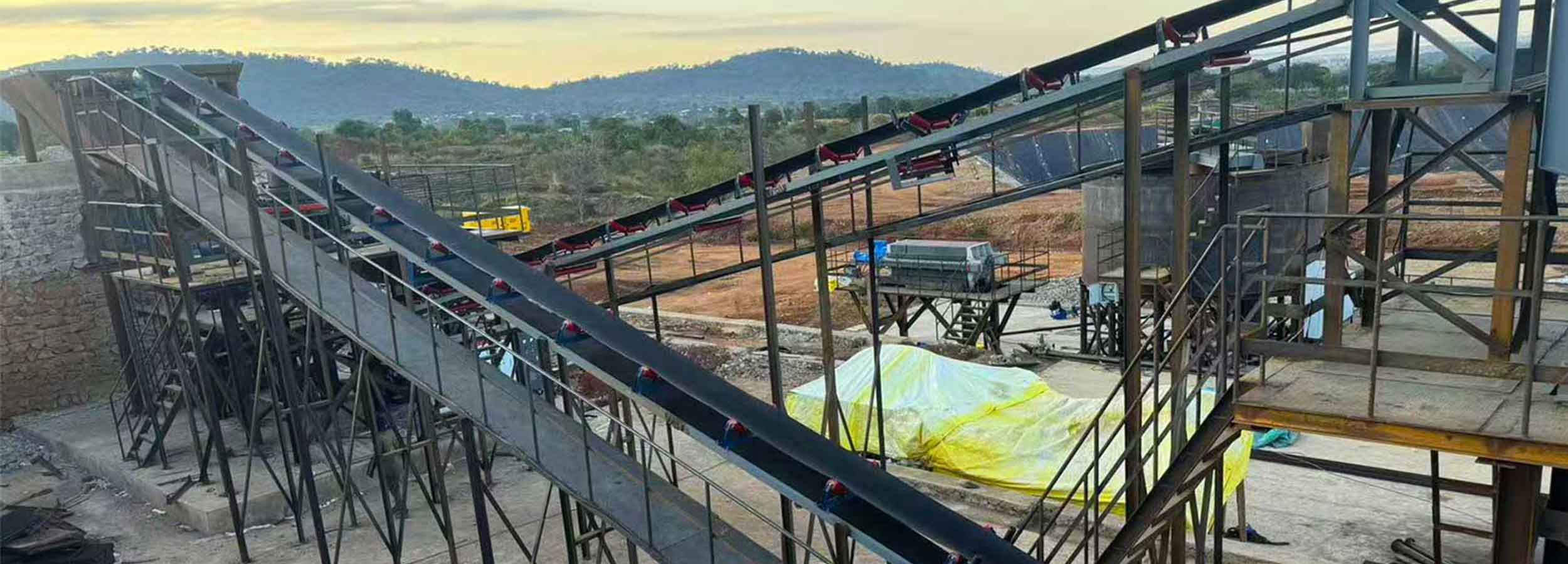
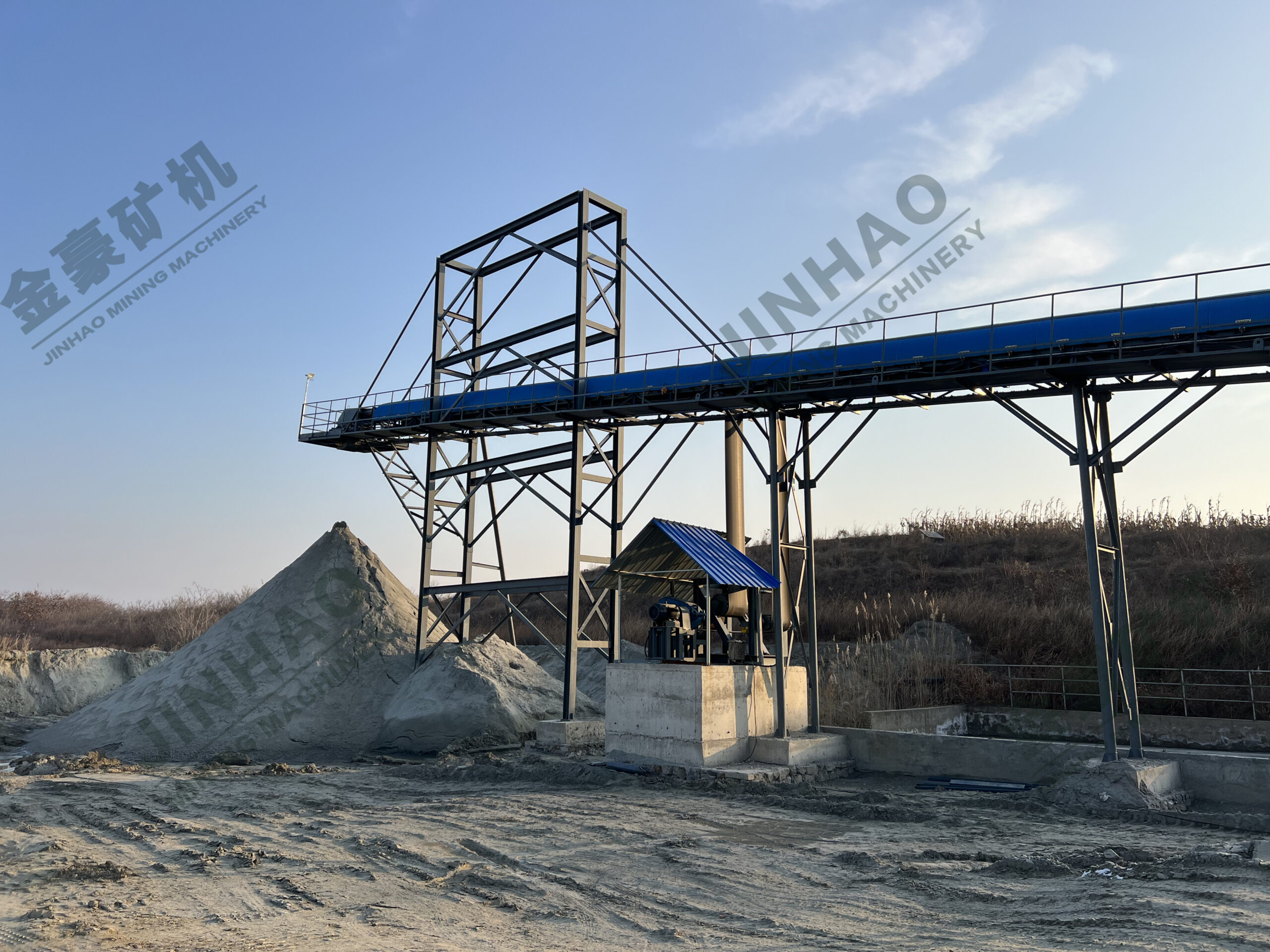
Dry Stacking & Recycling: Dry tailings are conveyed to the dry stacking yard via a belt conveyor for storage, and clear water from filtration is recycled to the beneficiation process, achieving water resource recycling.
Process Flow Diagram
Dry tailings have low moisture content and high stability, eliminating the need for large tailings dam, avoiding dam failure risks, and meeting environmental policy requirements.
Water recycling rate ≥90%, significantly reducing fresh water consumption in beneficiation and lowering production water costs.
Differentiated dewatering processes for coarse and fine tailings, improving overall dewatering efficiency by more than 30%.
Reduces tailings dam land acquisition and maintenance costs, and dry tailings can be used for goaf filling or brick making, realizing secondary resource utilization.
Compatible with various tailings from metal and non-metal mines, suiting treatment scales from small-to-medium mines to large concentrators.
Related Products
Product Features This product is used in the carbon slurry...
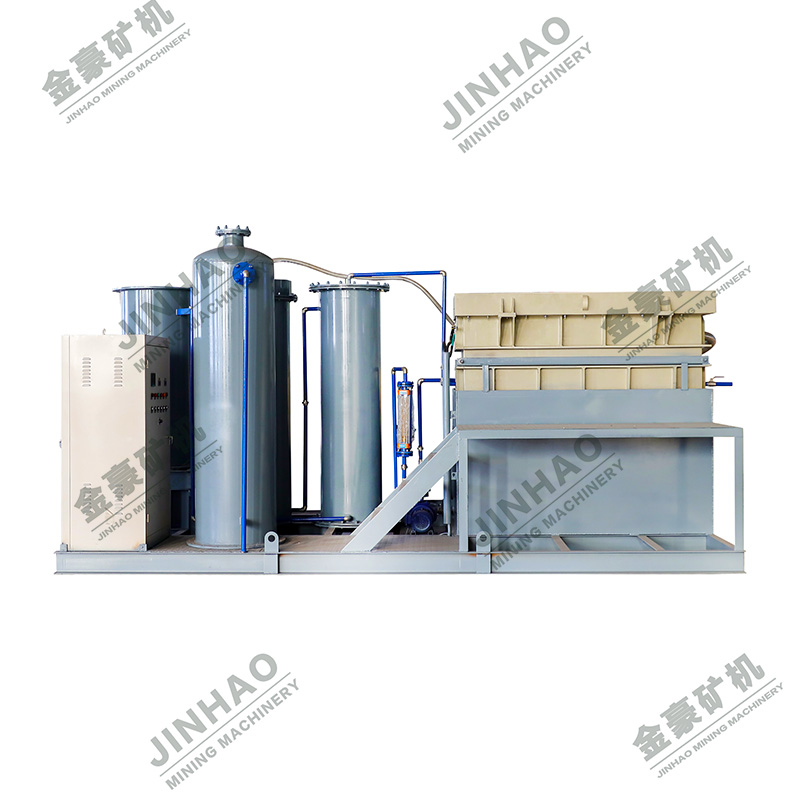
Product Features The desorption electrolysis unit is key equipment in...
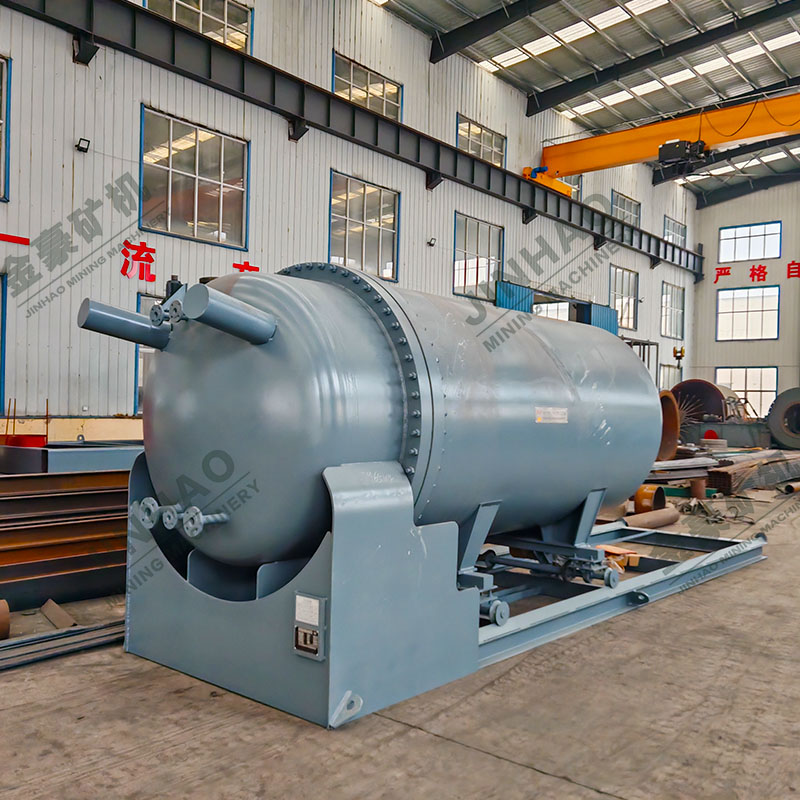
Product Features - The complete set of desorption-electrolysis system equipment...
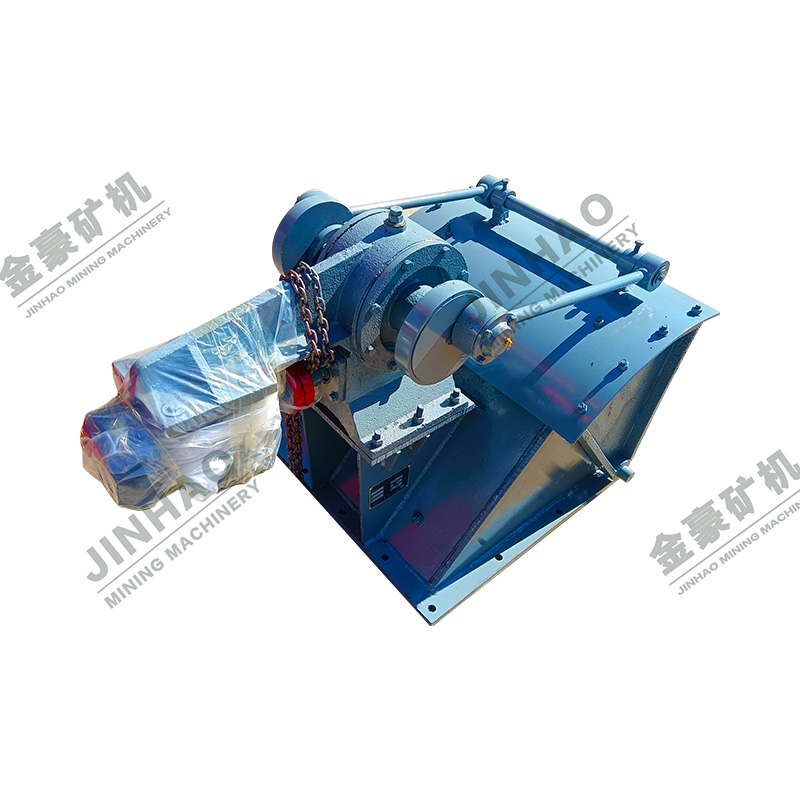
Product Features The oscillating feeder is suitable for the mining,...
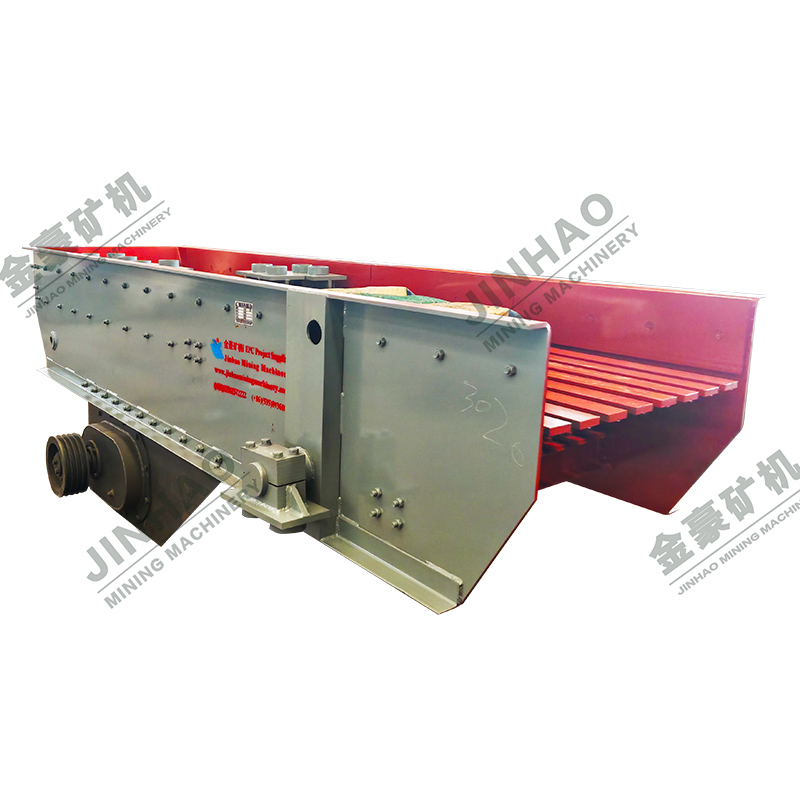
Product Features The ZSW‑series vibrating feeder is mainly used to...
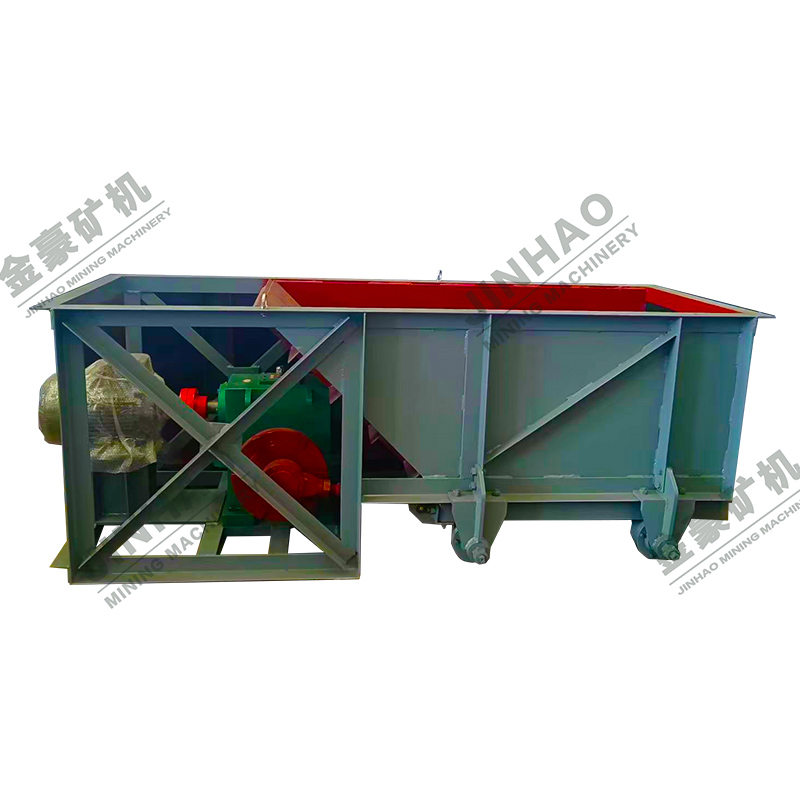
Product Features The trough feeder is generally suspended at the...
Product Features The GZ series electromagnetic vibrating feeder is used...
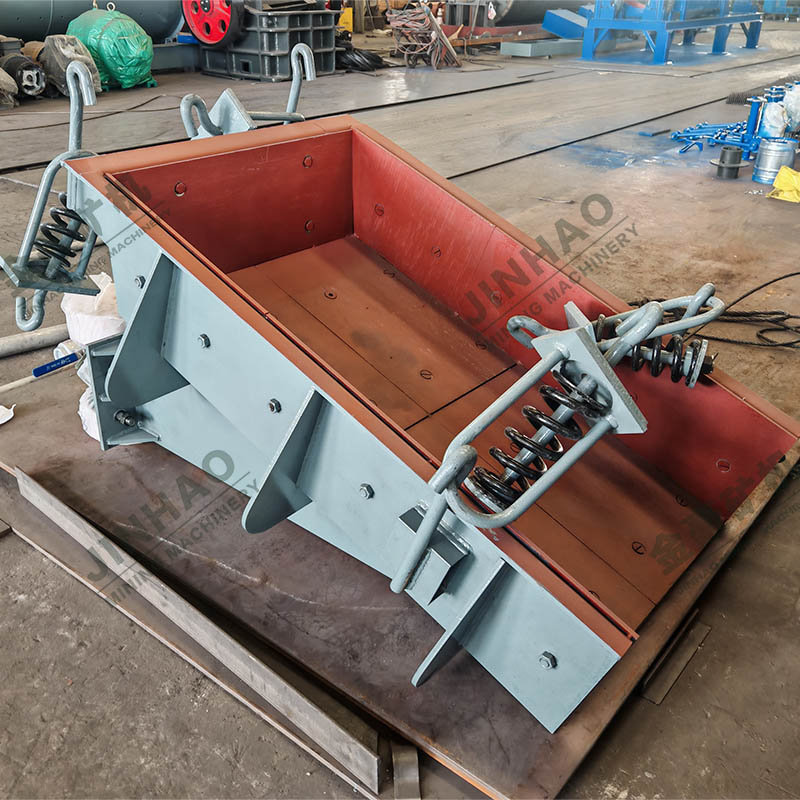
Product Features The DZ Series Motor Vibrating Feeder is a...
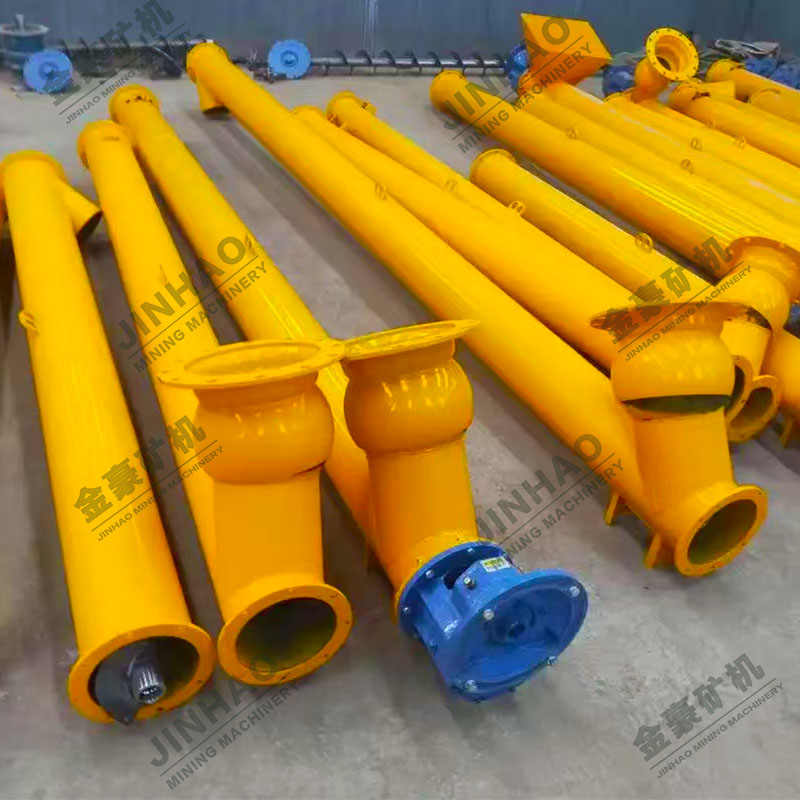
Product Features The spiral feeder is mainly used for continuous...
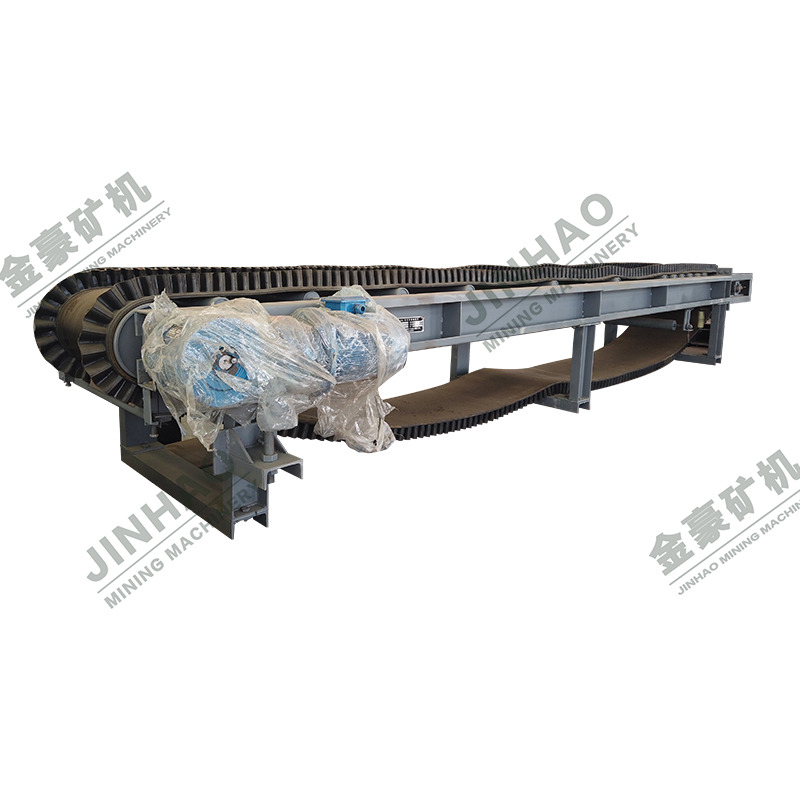
Product Features The belt feeder is a relatively short-length belt...