
Introduction
Introduction
The tungsten ore beneficiation process is an enrichment system centered on "classification-gravity separation". Targeting the high-density characteristics of tungsten minerals (e.g., wolframite, scheelite), it achieves precise separation of tungsten from gangue through a combined process of multi-stage screening, jiggling, grinding, and shaking table separation. It features high enrichment efficiency, excellent resource utilization, and strong adaptability, meeting large-scale production needs of various tungsten ores.
Application
🟡Wolframite/scheelite ore: Primary tungsten ore with wolframite or scheelite as core minerals. 🟡Coarse-medium-fine disseminated tungsten ore: Ore with tungsten minerals disseminated in coarse (>2mm), medium (0.5-2mm), and fine (<0.5mm) particle sizes. 🟡Tungsten ore with associated heavy minerals: Tungsten ore associated with heavy minerals (tin, molybdenum, etc.), supporting synergistic polymetallic recovery. 🟡Low-grade tungsten ore: Low-grade resources with 0.1%-1% tungsten grade that require gravity separation enrichment.
Process Flow
01
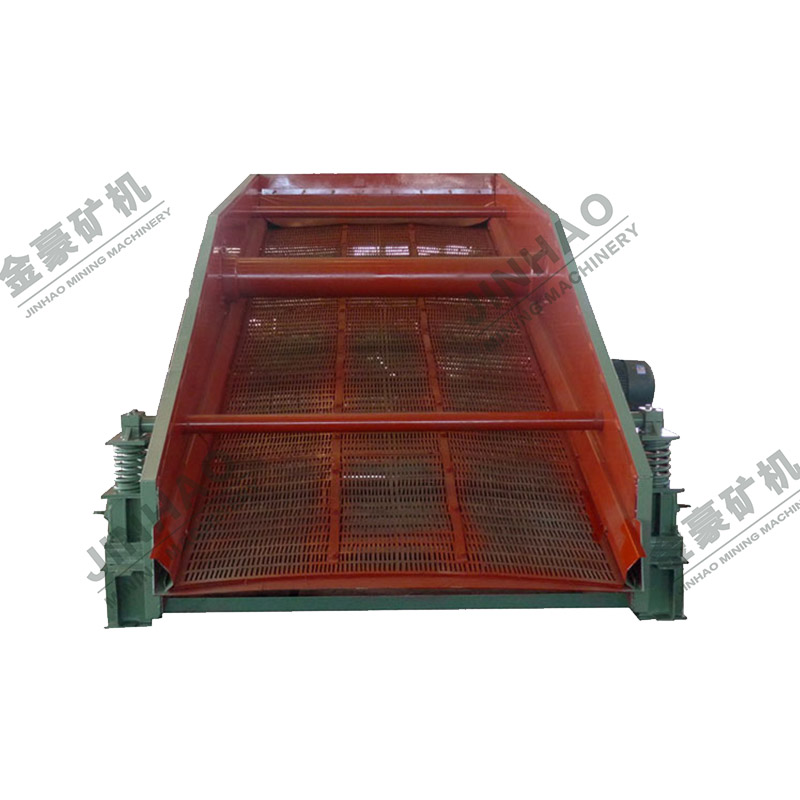
Classification Screening: Raw ore is divided into coarse, medium, and fine particle sizes via a single-layer vibrating screen, enabling segmented processing by particle size.
02
Particle Size Gravity Separation:
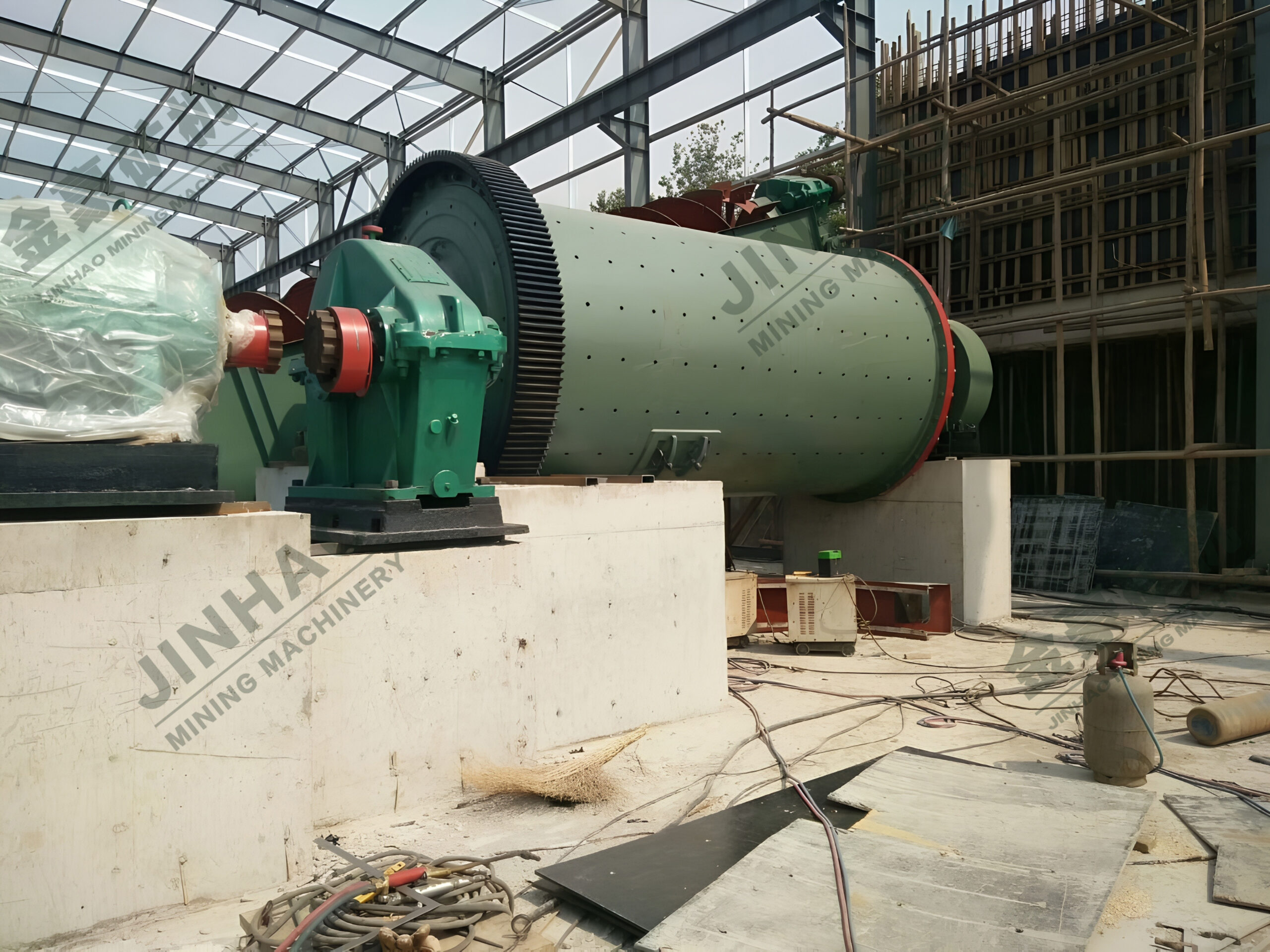
Coarse fraction: Coarse separation via jigger → classification via spiral classifier → fine grinding via rod mill → re-separation via jigger → screening via single-layer vibrating screen → re-grinding via rod mill, finally obtaining gravity separation rough sand.
Medium fraction: Coarse separation via jigger, coordinated with the coarse fraction process.
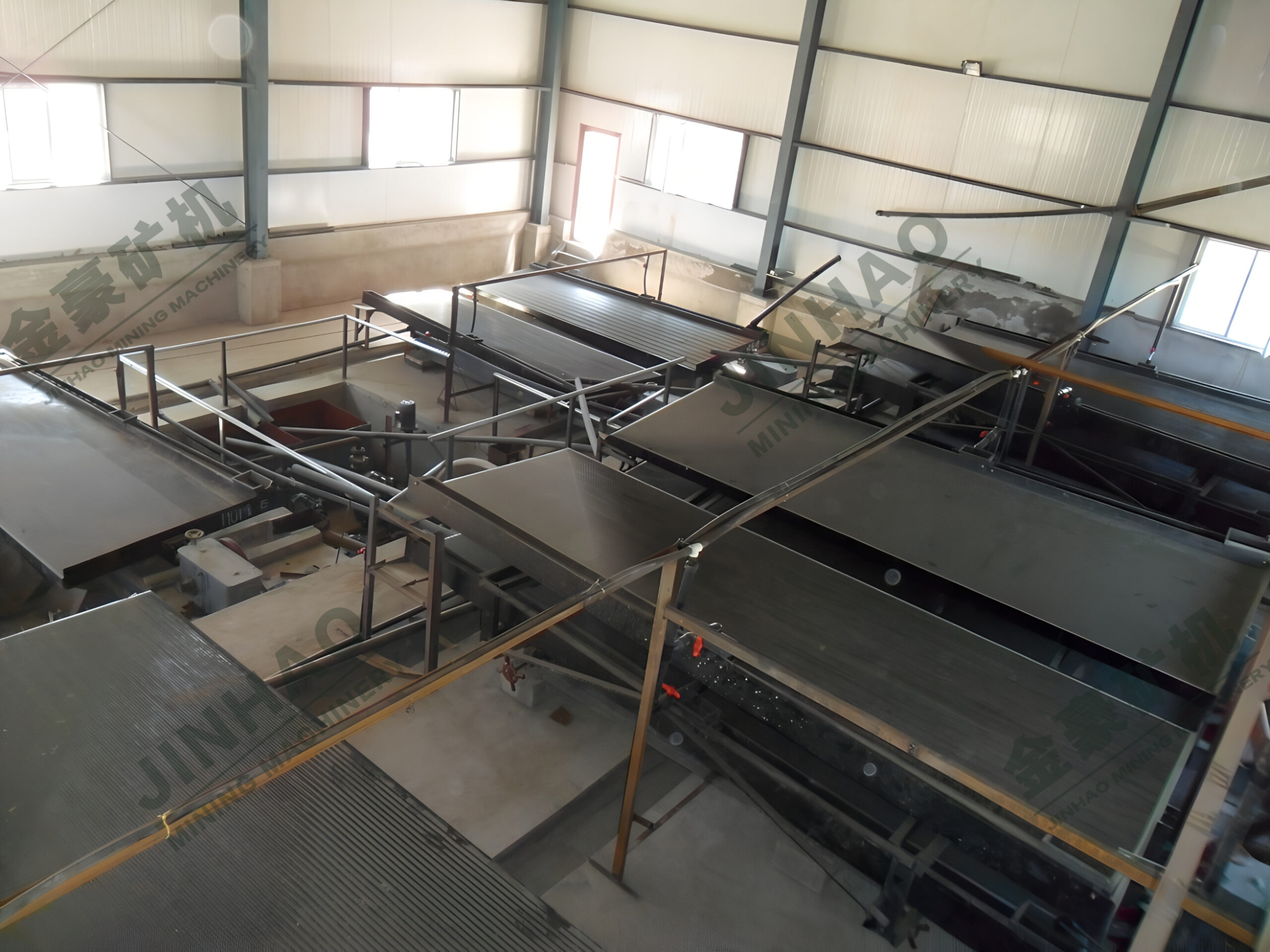
Fine fraction: Coarse separation via jigger → classification via spiral classifier → beneficiation via shaking table → re-separation via shaking table, with tailings discharged up to standard.
03
Enriched Product: Enriched products from each particle size process are aggregated into “gravity separation rough sand” as an intermediate product of tungsten concentrate.
Process Flow Diagram
Segmented processing matches recovery needs of tungsten minerals with different particle sizes, with a stable 80%-90% comprehensive recovery rate.
The entire process uses physical gravity separation with no chemical reagent consumption, meeting environmental production requirements.
Covers coarse, medium, and fine-grained tungsten ores simultaneously, adapting to ores with different dissemination characteristics.
Able to synchronously recover associated heavy minerals, increasing additional project revenue.
Core equipment (jigger, shaking table) has mature structures with few wearing parts, resulting in low operation and maintenance costs.
Related Products
Product Features This product is used in the carbon slurry...
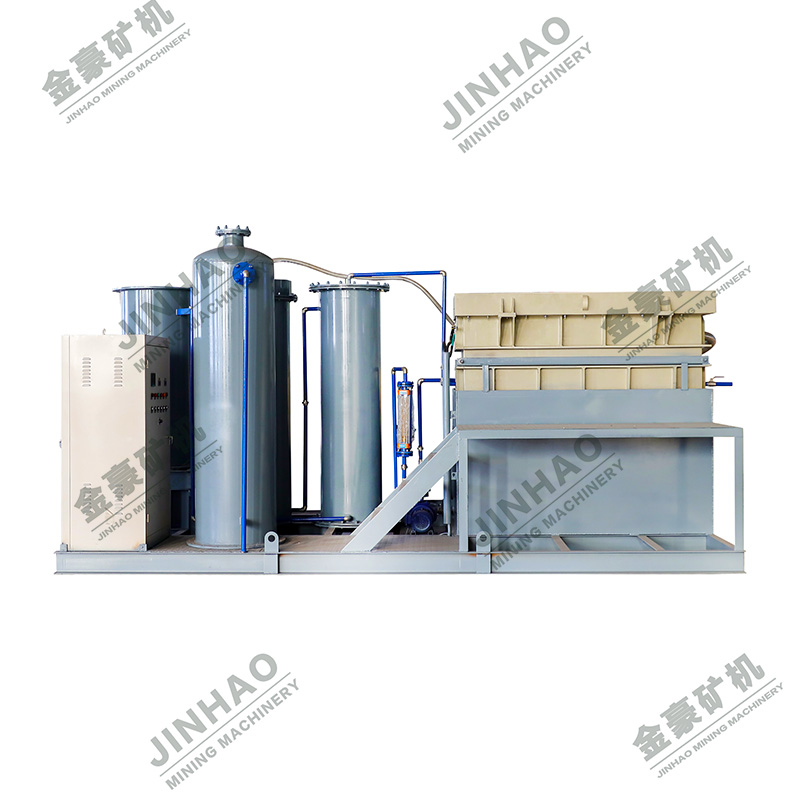
Product Features The desorption electrolysis unit is key equipment in...
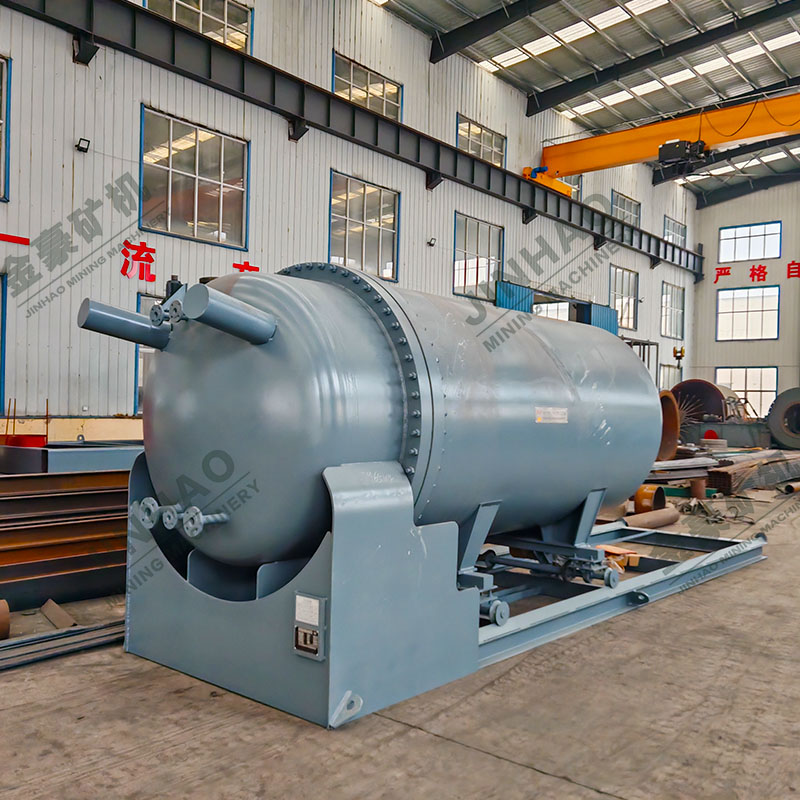
Product Features - The complete set of desorption-electrolysis system equipment...
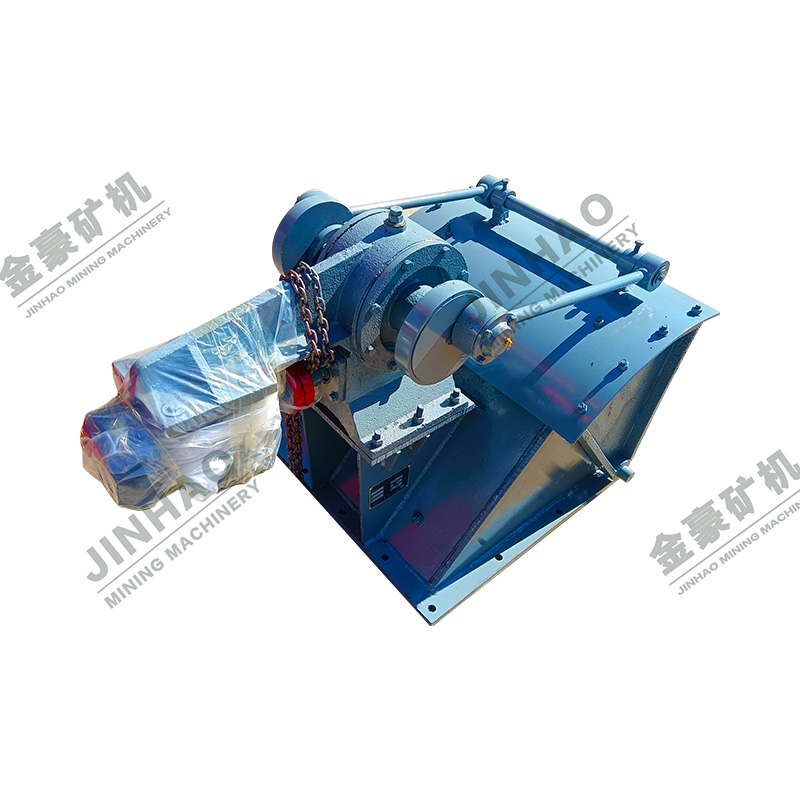
Product Features The oscillating feeder is suitable for the mining,...
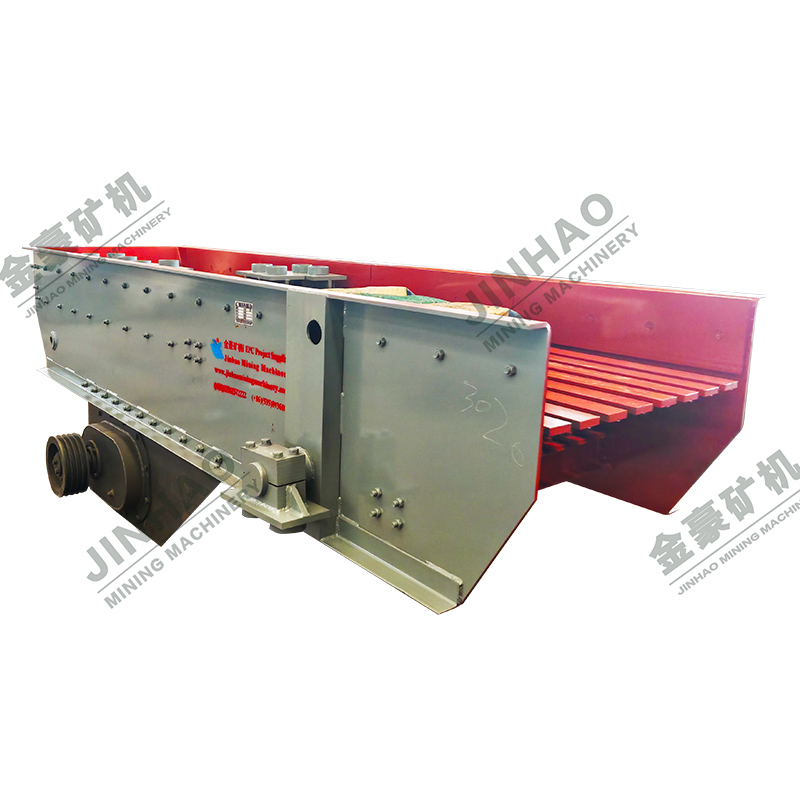
Product Features The ZSW‑series vibrating feeder is mainly used to...
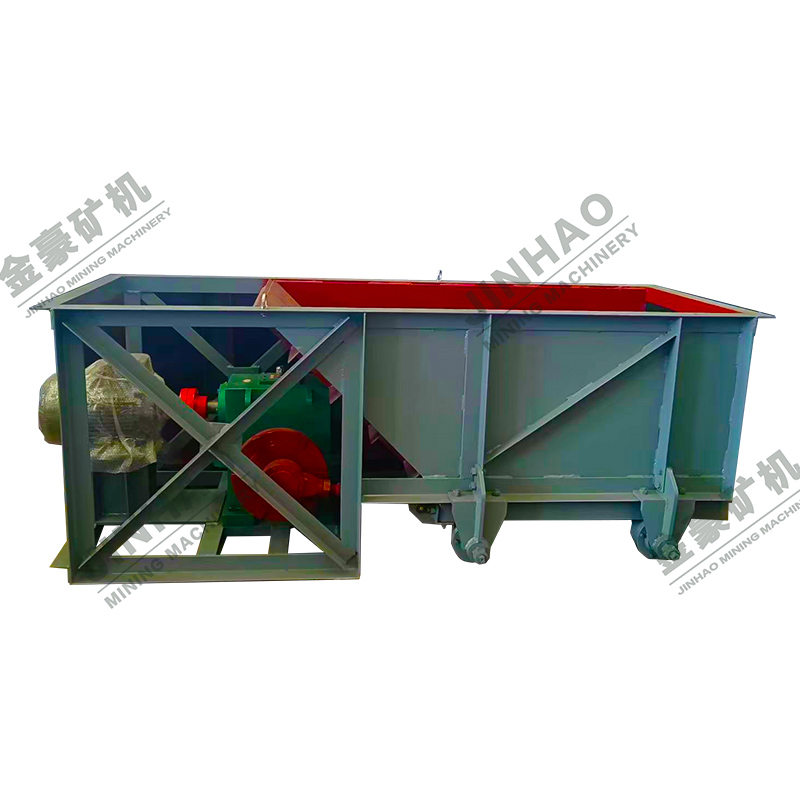
Product Features The trough feeder is generally suspended at the...
Product Features The GZ series electromagnetic vibrating feeder is used...
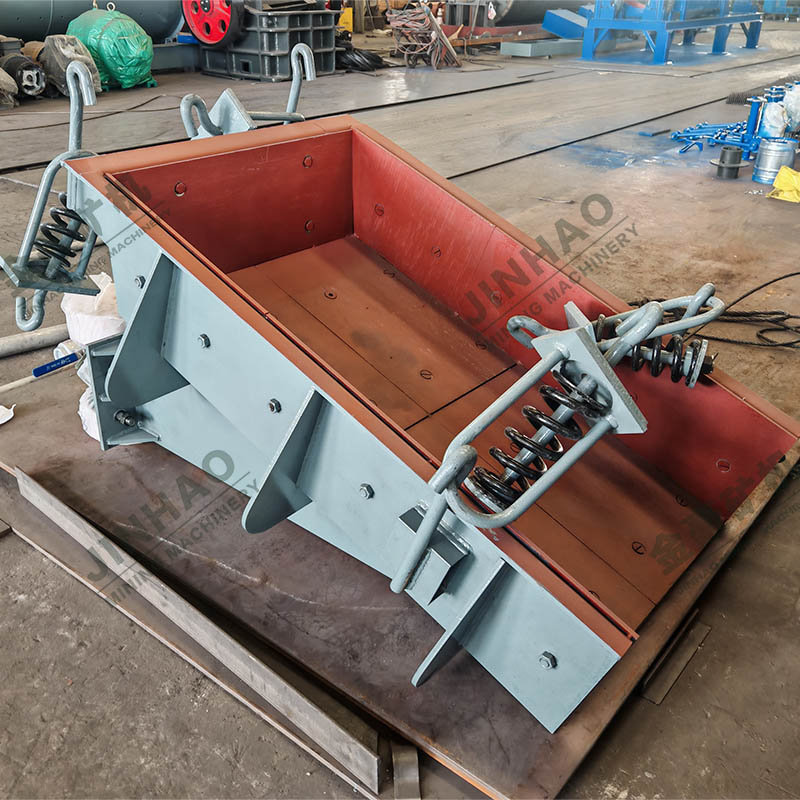
Product Features The DZ Series Motor Vibrating Feeder is a...
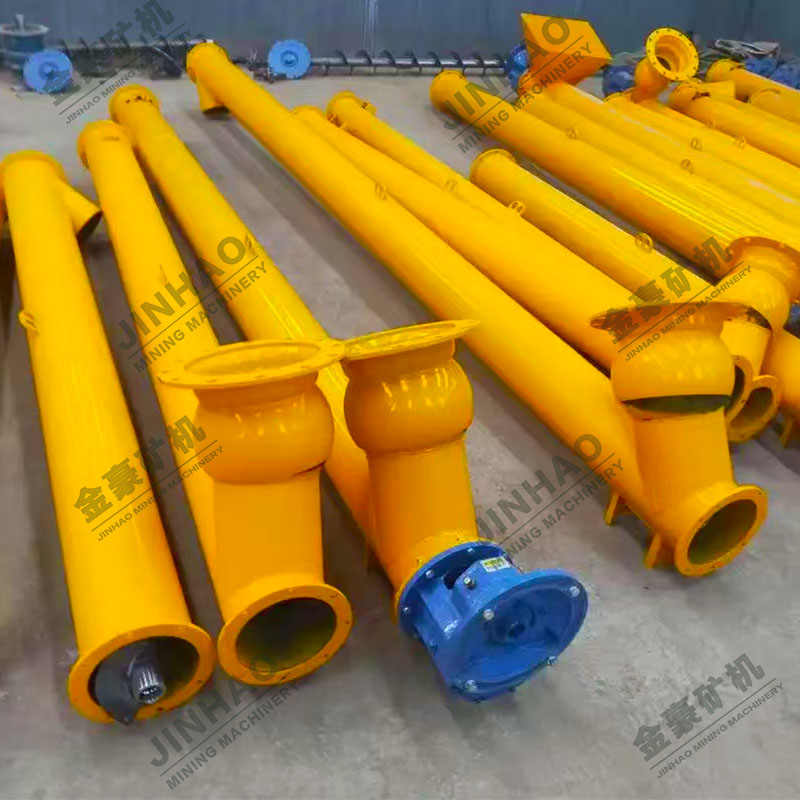
Product Features The spiral feeder is mainly used for continuous...
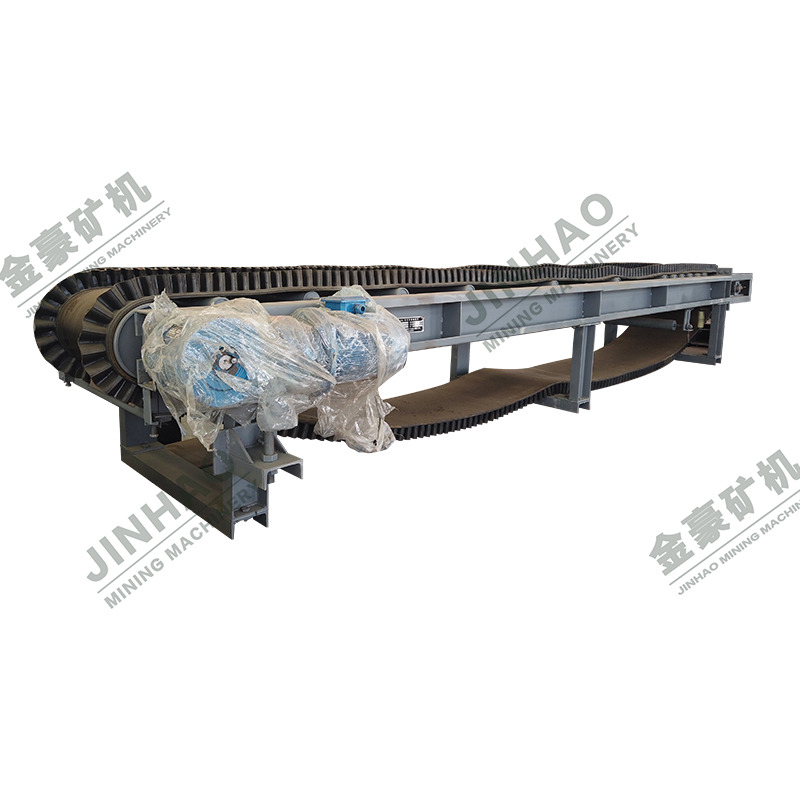
Product Features The belt feeder is a relatively short-length belt...