
Introduction
Introduction
The lithium ore beneficiation process is an enrichment system centered on "multi-stage crushing-grinding-flotation". Leveraging the floatability of lithium minerals (e.g., spodumene, lepidolite), it achieves precise separation of lithium minerals from gangue via a combined process of grinding liberation + 充气式 flotation. It features high enrichment efficiency, stable lithium recovery rate, and controllable product purity, capable of producing high-grade lithium concentrate, suiting large-scale production of various lithium ores and raw material demands of the lithium battery industry chain.
Application
🟡Spodumene ore: Hard-rock lithium ore with spodumene as the core mineral (main raw material for the lithium battery industry) 🟡Lepidolite ore: Mica-type lithium ore with lepidolite as the core mineral 🟡Low-grade lithium ore: Low-grade resources with 0.8%-2.0% Li₂O content that require flotation enrichment 🟡Fine-grained disseminated lithium ore: Ore with fine-disseminated lithium minerals (0.05-0.5mm) that requires grinding for liberation
Process Flow
01
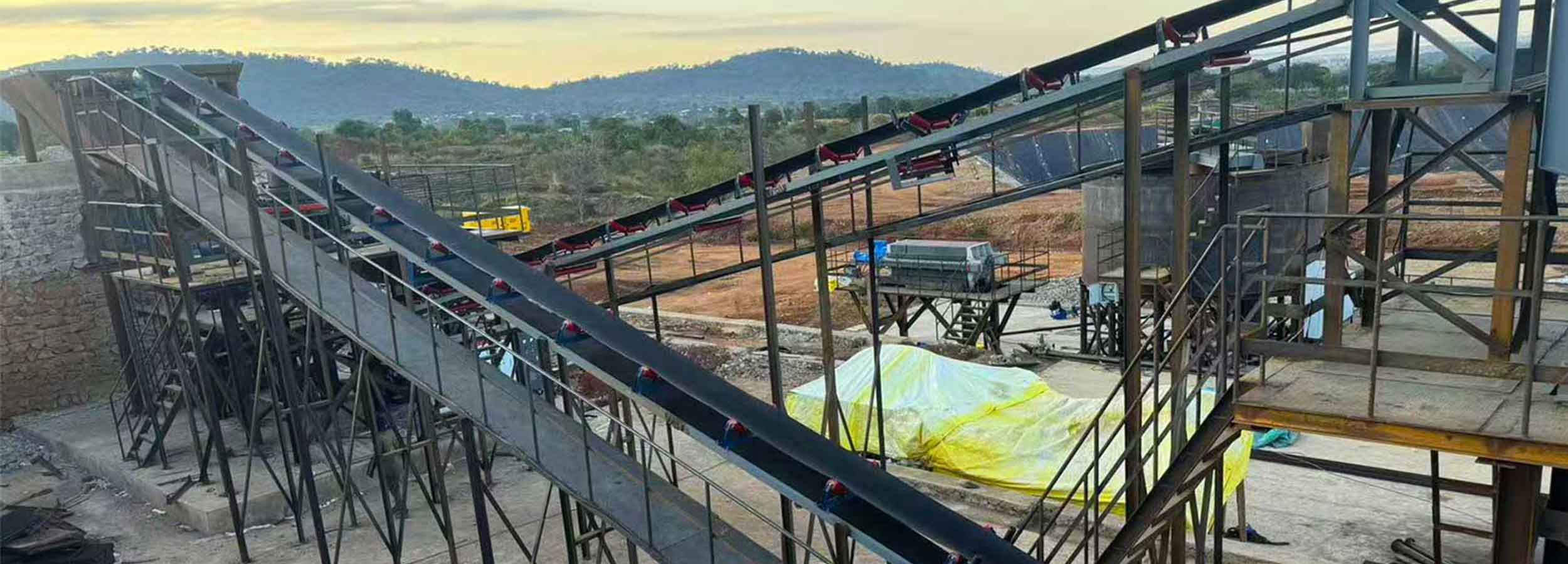
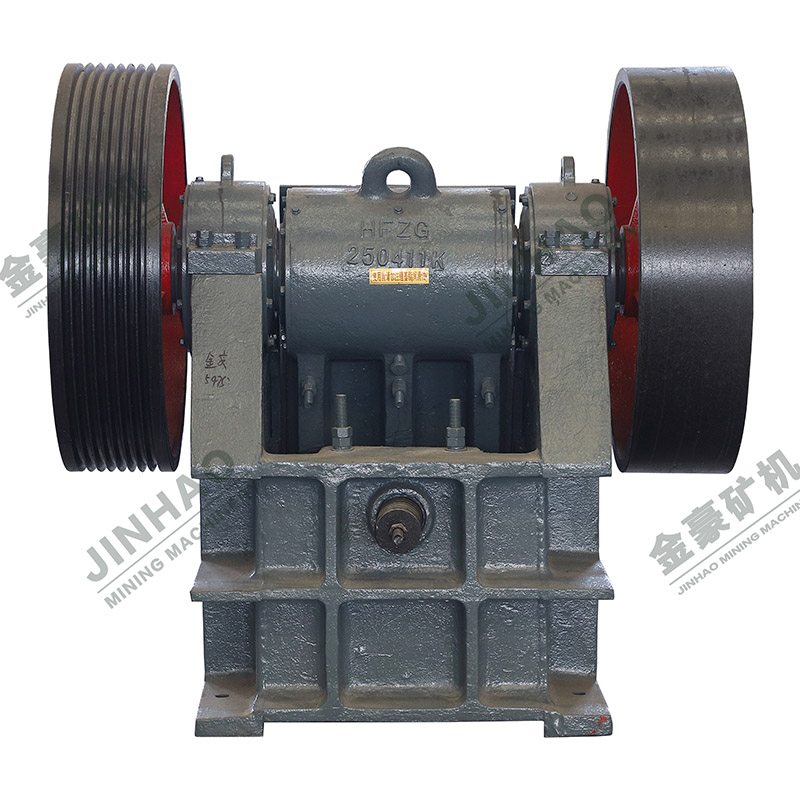
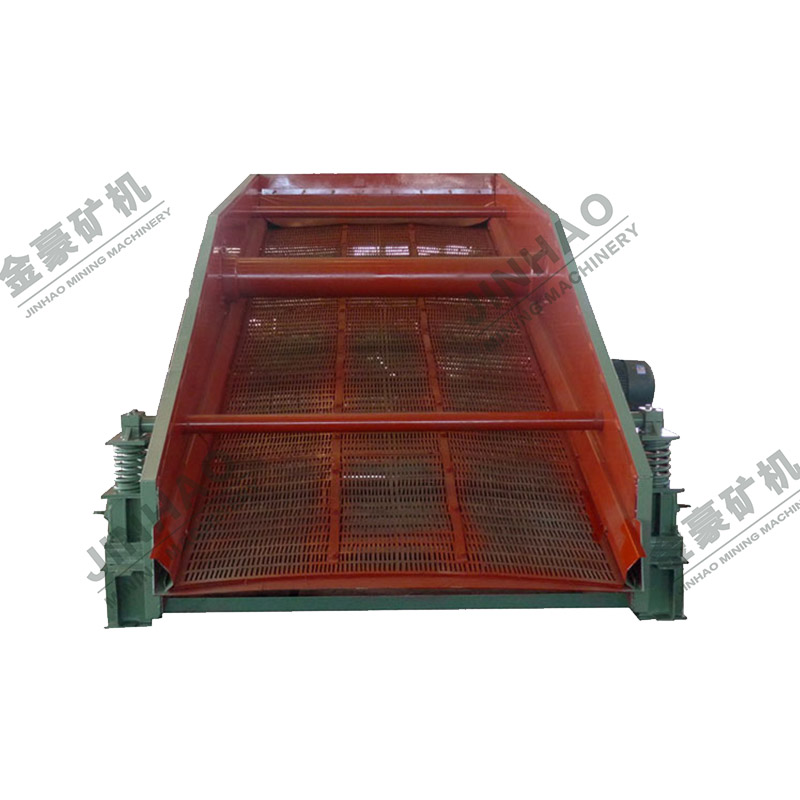
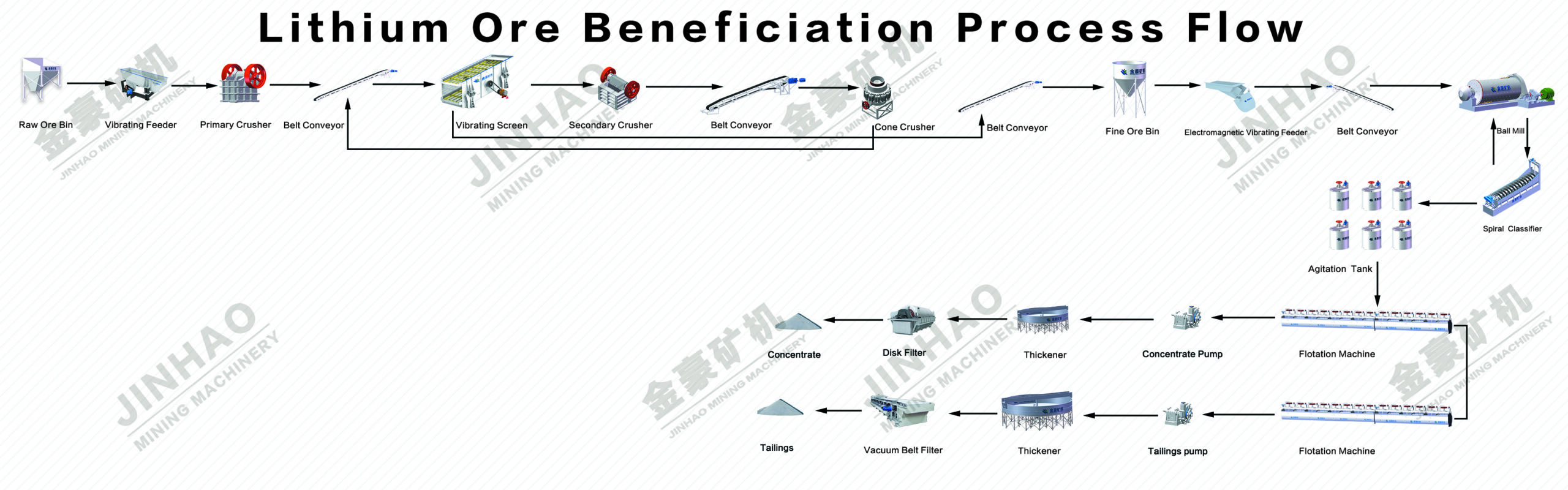
Multi-stage Crushing: Raw ore is fed from the raw ore bin to the primary crusher for coarse crushing via a ZSW vibrating feeder, then sent to the secondary crusher + cone crusher for fine crushing via a belt conveyor → double-layer vibrating screen classification, ensuring the ore particle size meets grinding requirements.
02
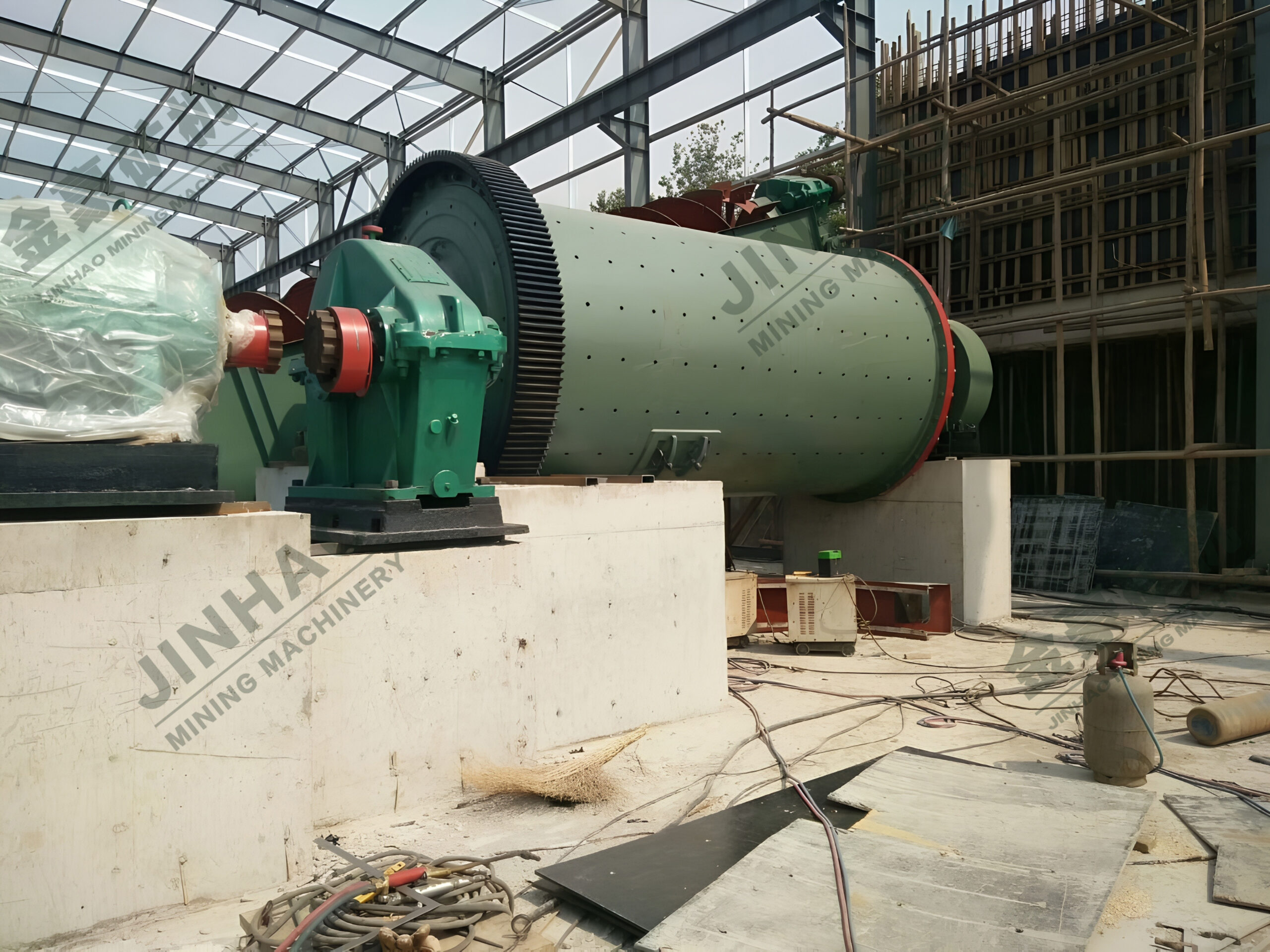
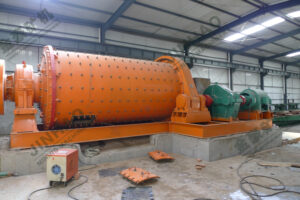
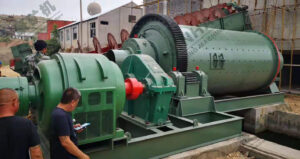
Grinding & Classification: Crushed ore is fed to the ball mill for fine grinding via a fine ore bin → electromagnetic vibrating feeder, and the spiral classifier completes pulp coarse-fine classification to fully liberate lithium minerals from gangue.
03
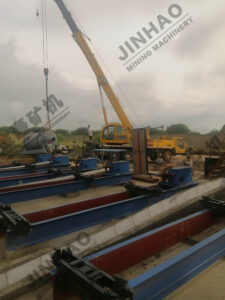
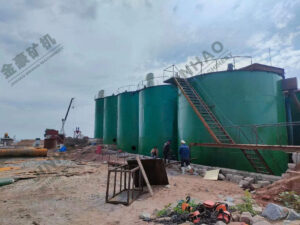
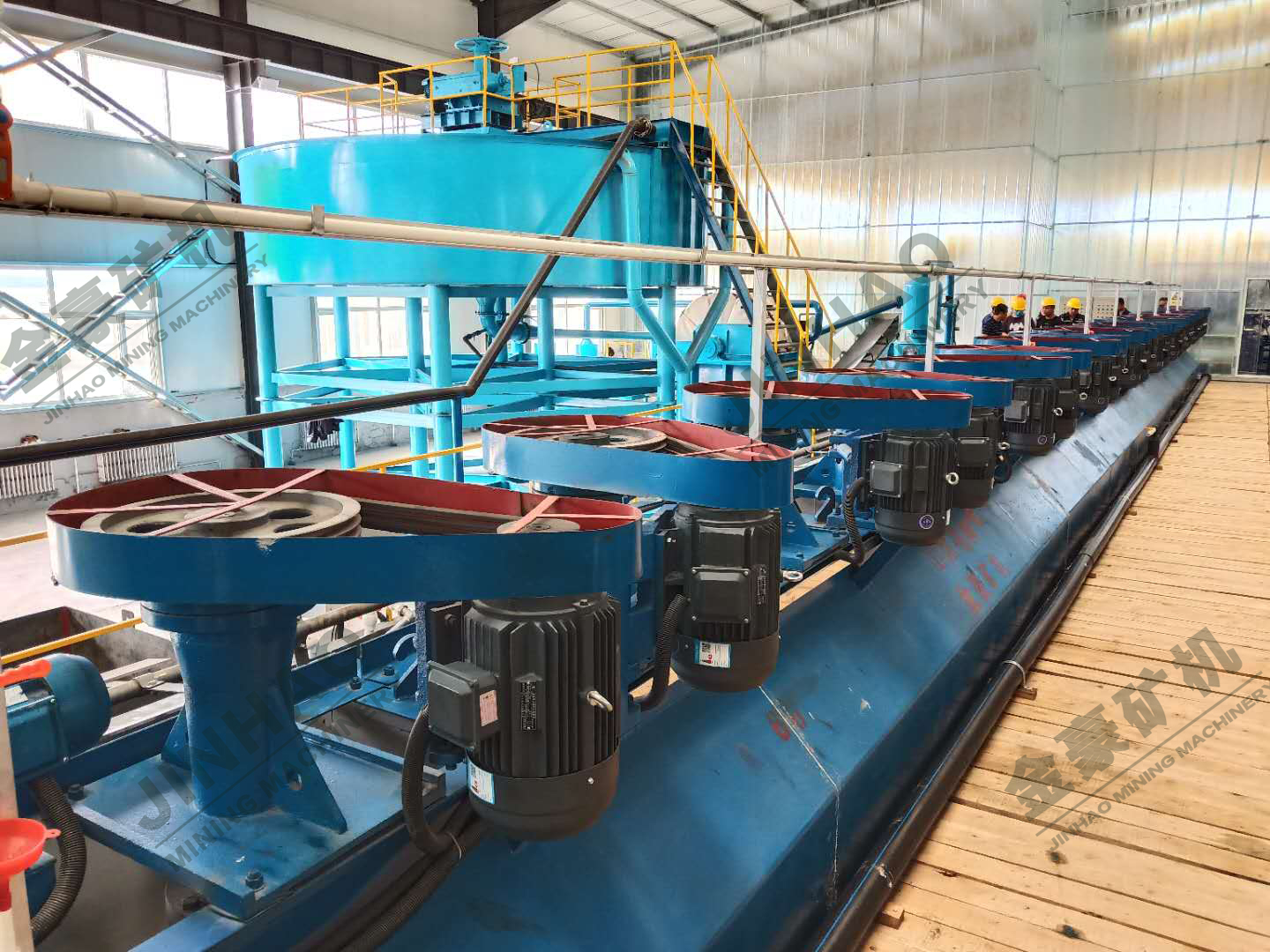
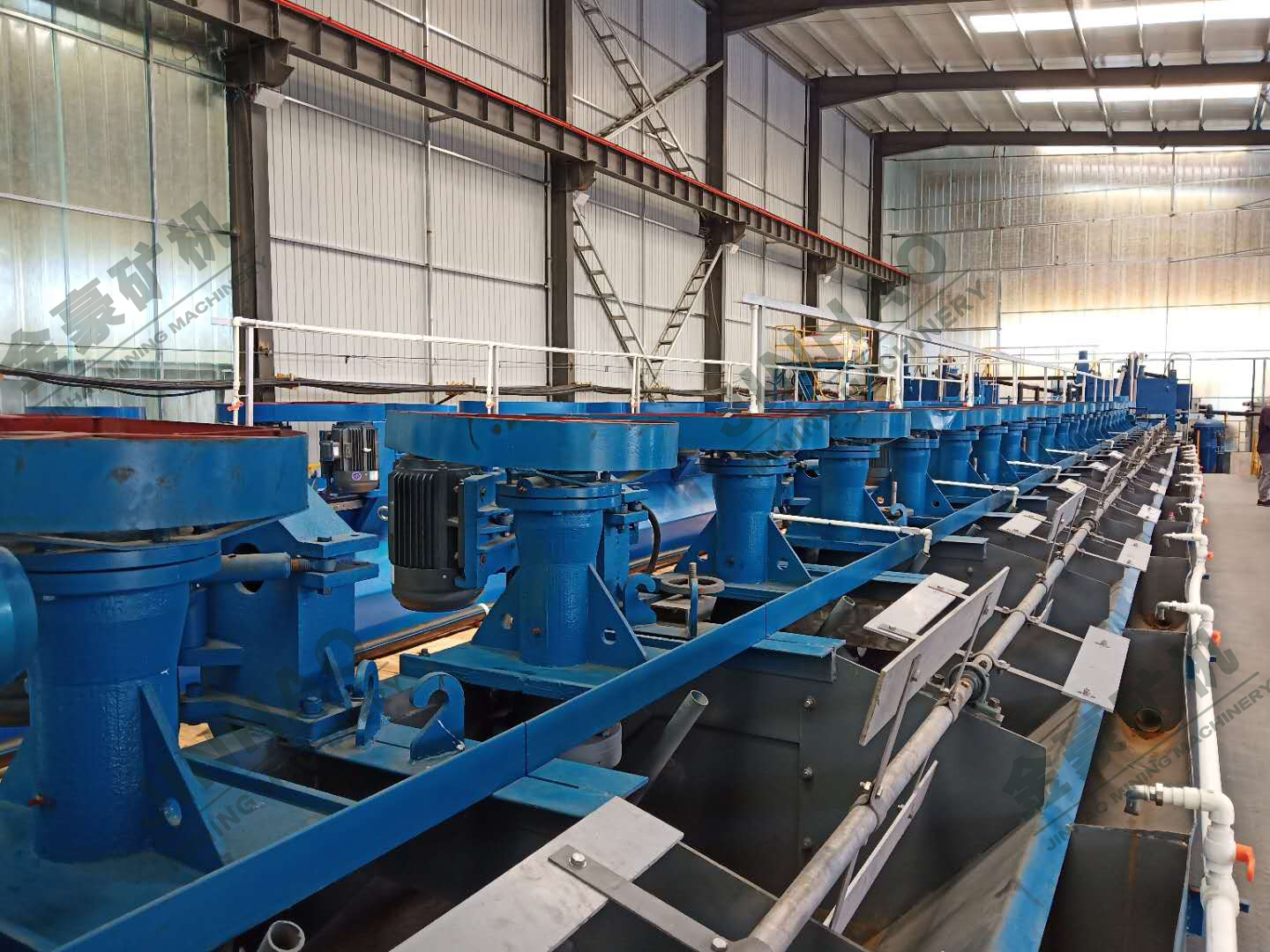
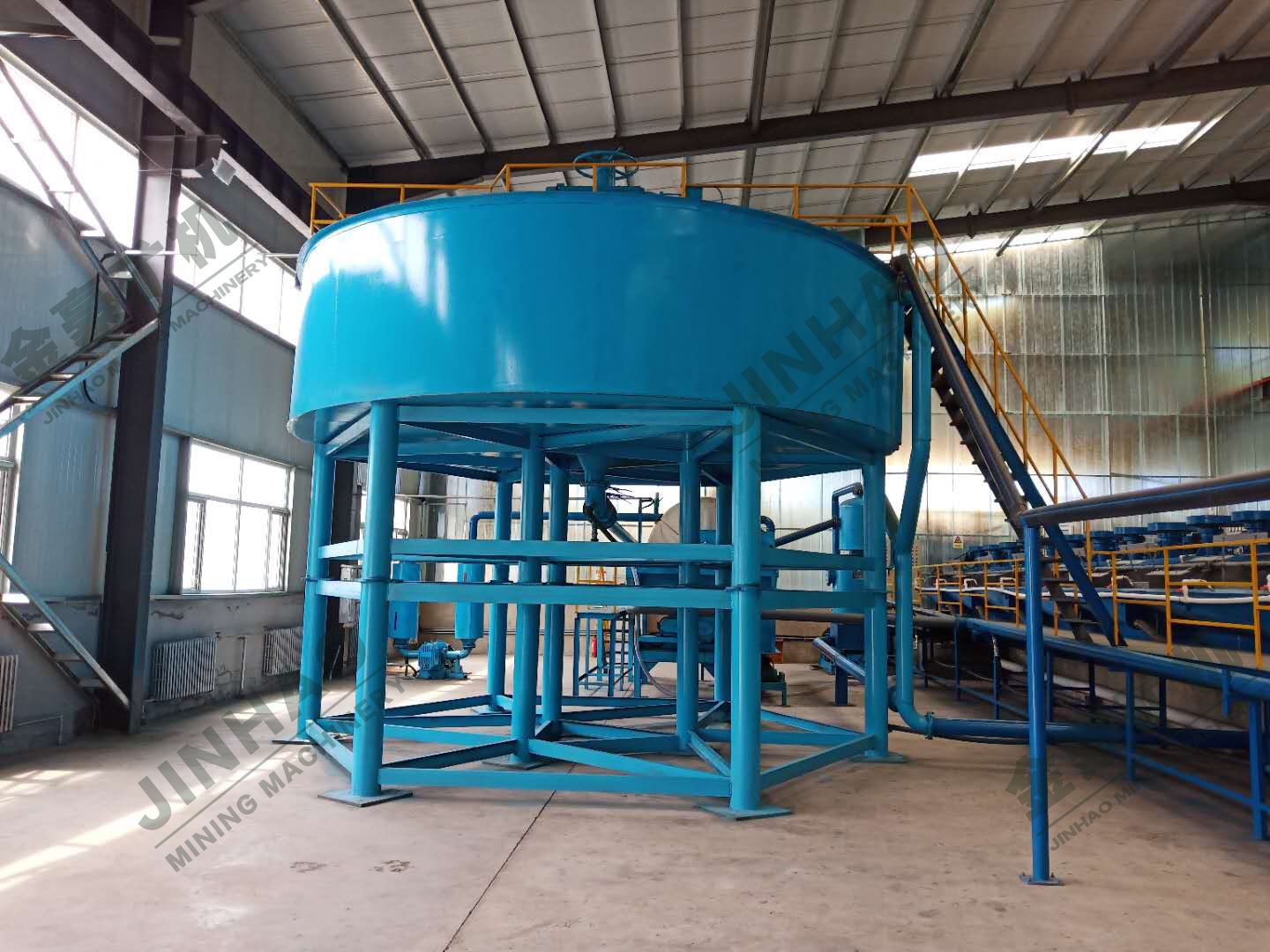
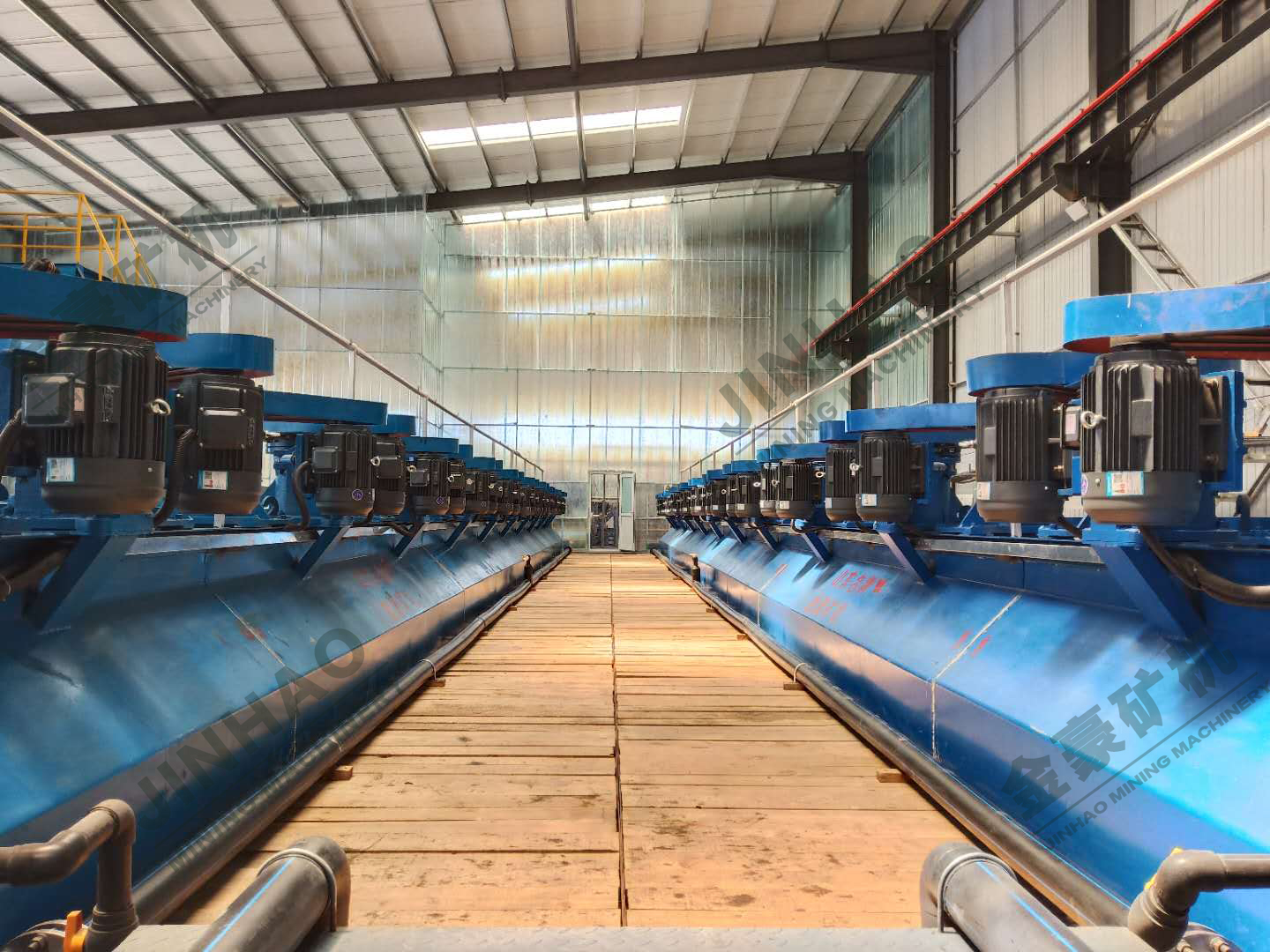
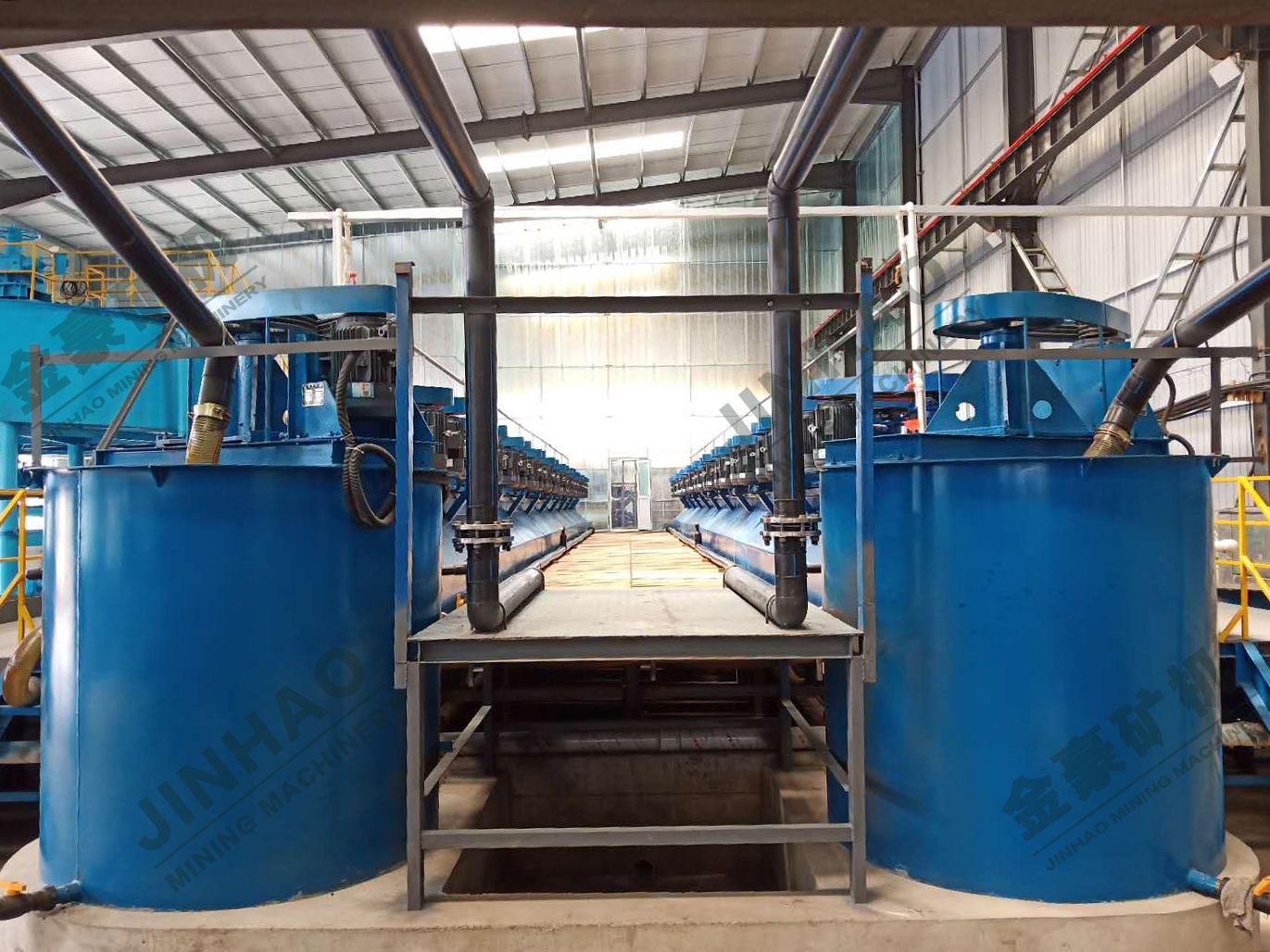
Flotation Enrichment: Classified pulp is conditioned in an agitation tank → undergoes multi-stage flotation via aerated flotation machines to separate lithium minerals from gangue, obtaining lithium concentrate.
04
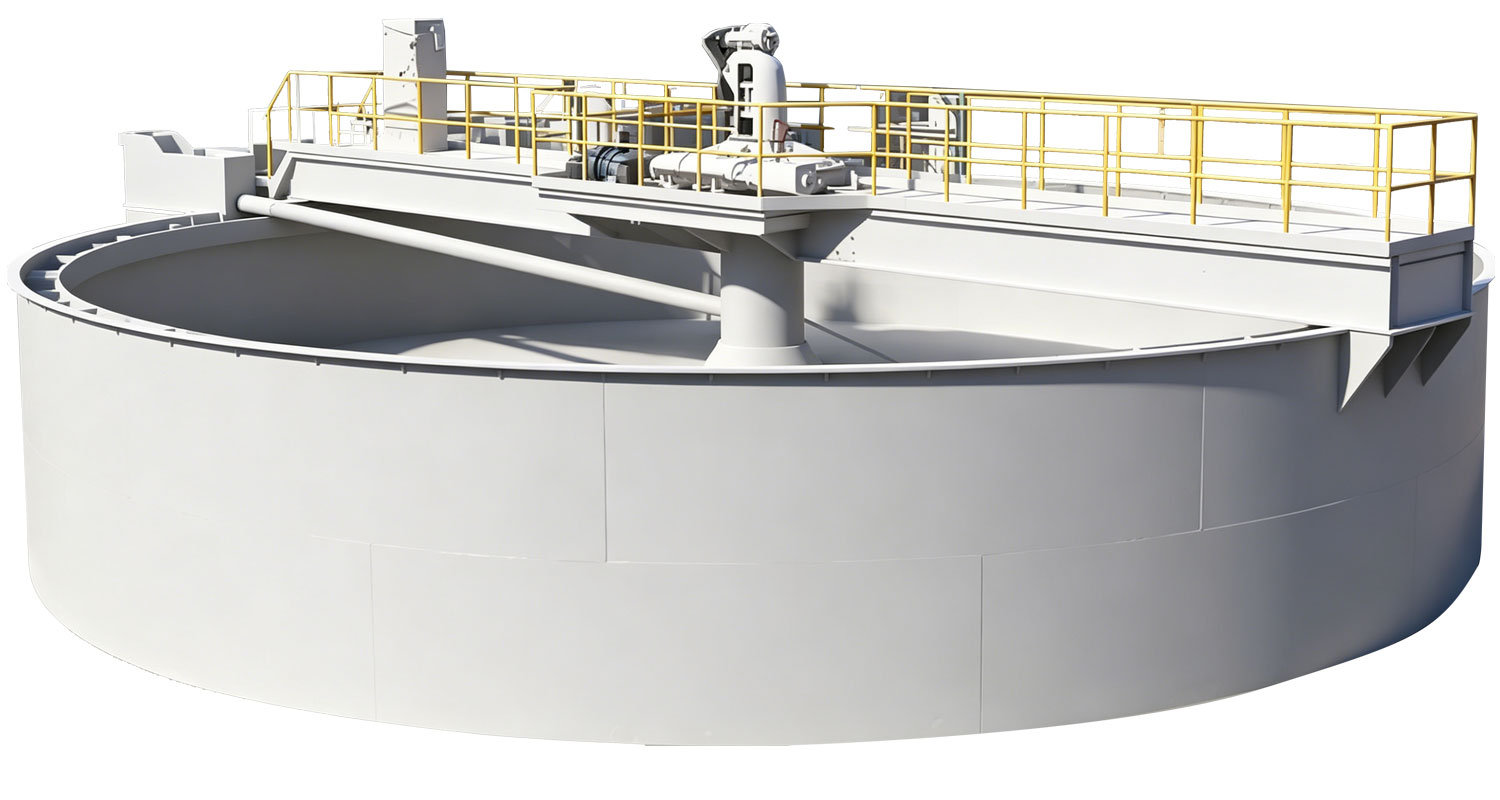
Dewatering & Finished Product: Flotation concentrate is dewatered via a thickener → disk filter to obtain high-grade lithium concentrate powder; tailings are treated via a thickener → belt filter and discharged up to standard.
Process Flow Diagram
The lithium mineral recovery rate is stably 85%-90%, and the Li₂O content of lithium concentrate can be increased to 5%-6%, meeting the grade requirements of lithium battery raw materials.
Adapted to the different flotation characteristics of spodumene and lepidolite, gangue impurity (quartz, feldspar) content can be controlled below 5%.
Water recycling rate ≥85%, low flotation reagent consumption, meeting green mine production standards.
Compatible with hard-rock, mica-type lithium ores, etc., suiting production scales from small-to-medium mines to large lithium raw material processing plants.
Core flotation and grinding equipment has stable technology, easy wearing part replacement, and strong production continuity.
Related Products
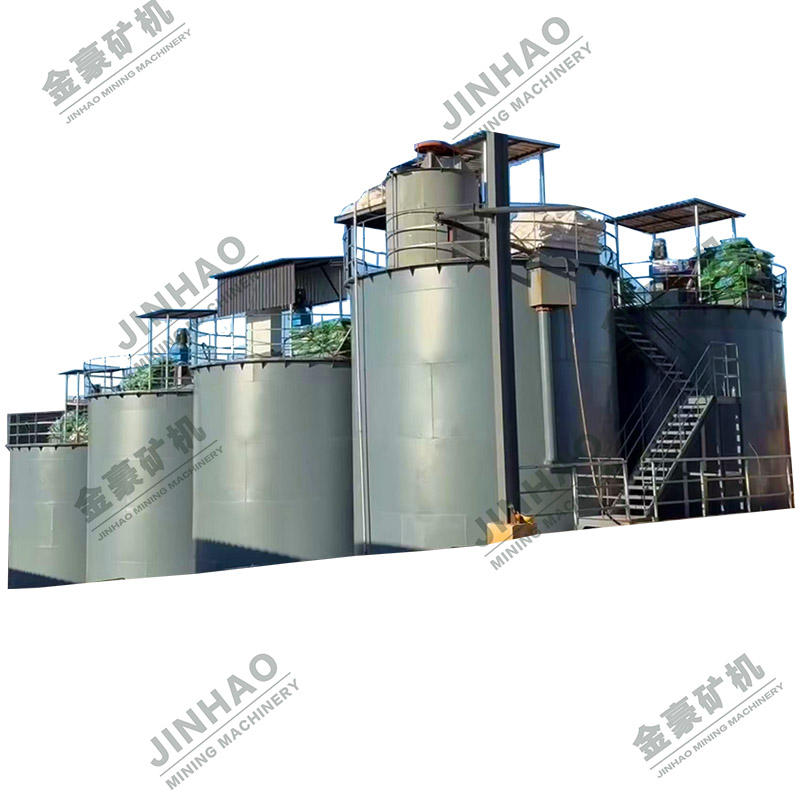
Product Features This product is used in the carbon slurry...
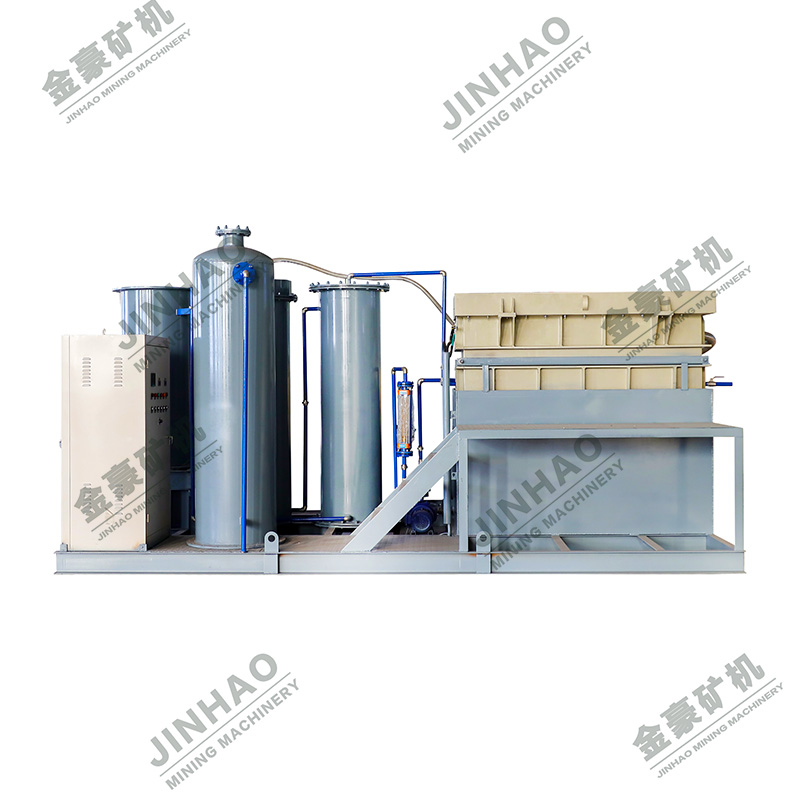
Product Features The desorption electrolysis unit is key equipment in...
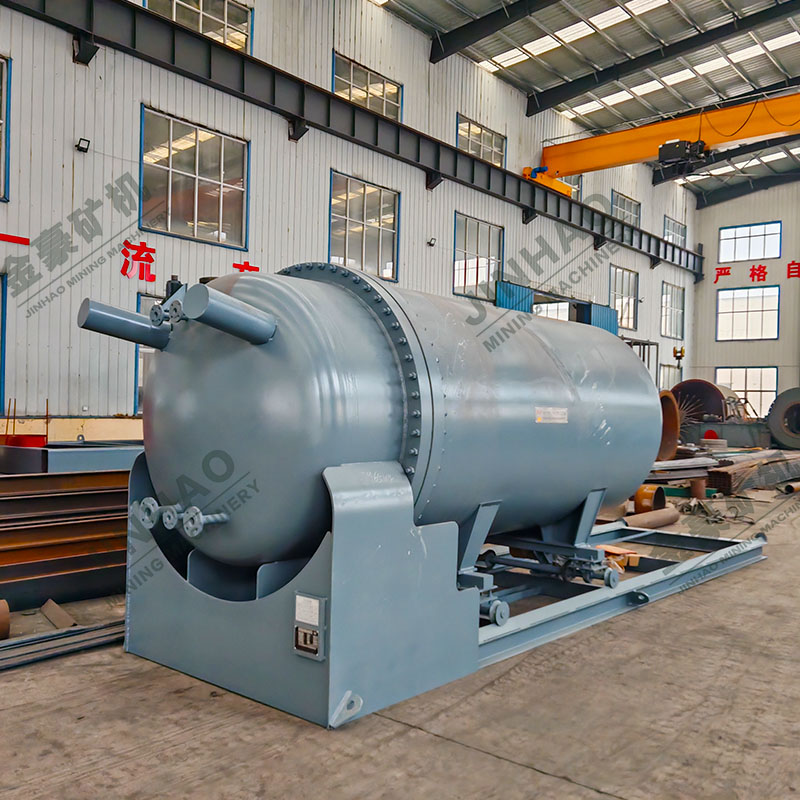
Product Features - The complete set of desorption-electrolysis system equipment...
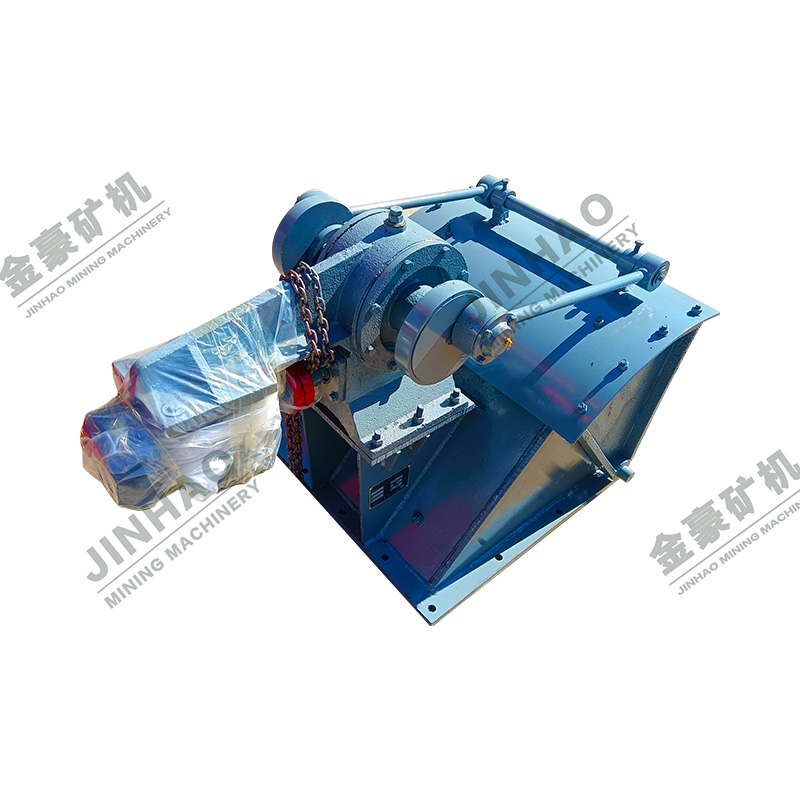
Product Features The oscillating feeder is suitable for the mining,...
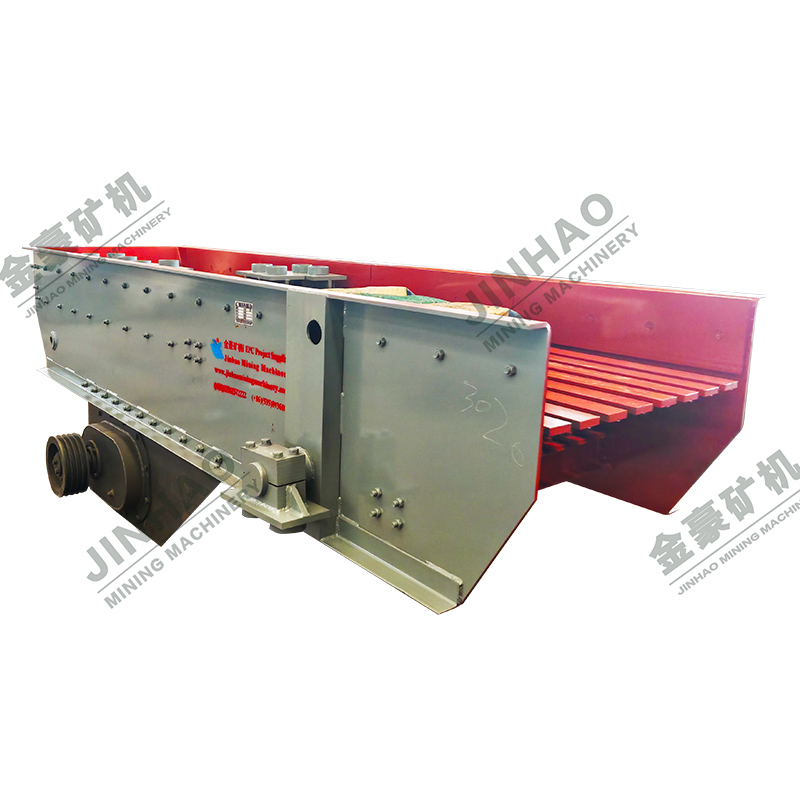
Product Features The ZSW‑series vibrating feeder is mainly used to...
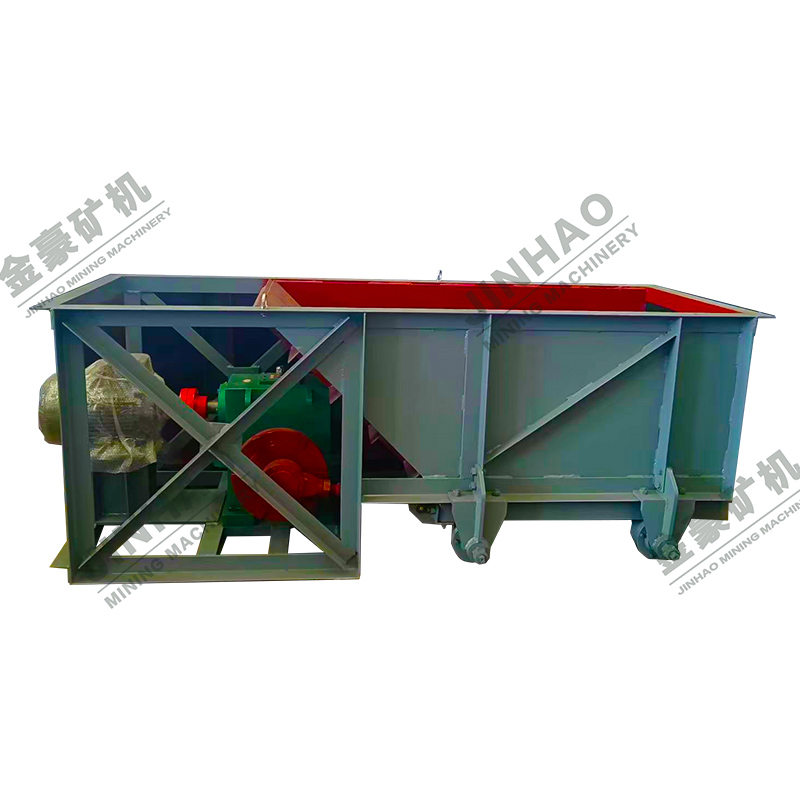
Product Features The trough feeder is generally suspended at the...
Product Features The GZ series electromagnetic vibrating feeder is used...
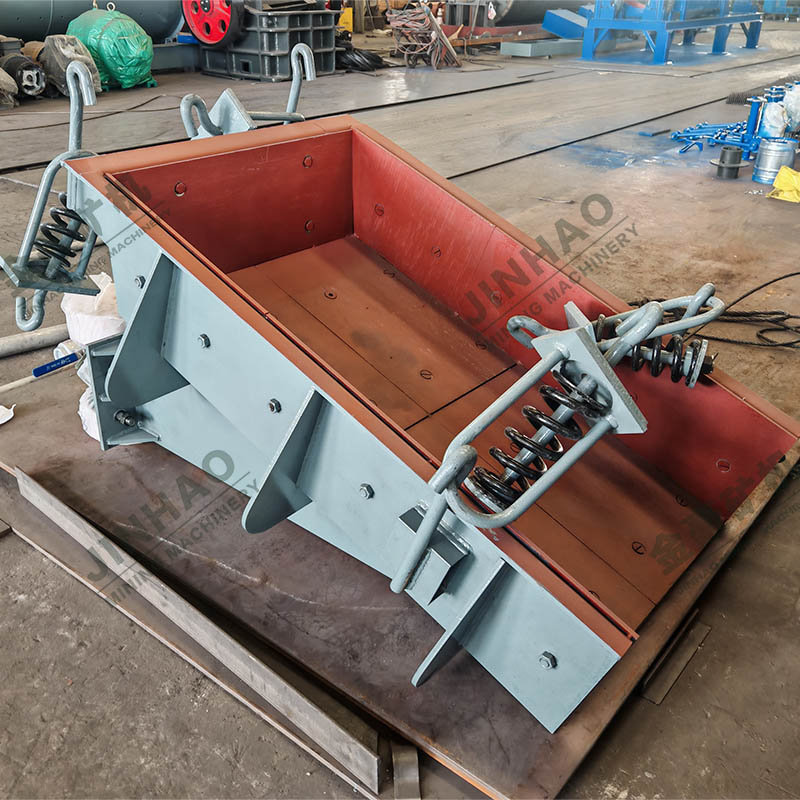
Product Features The DZ Series Motor Vibrating Feeder is a...
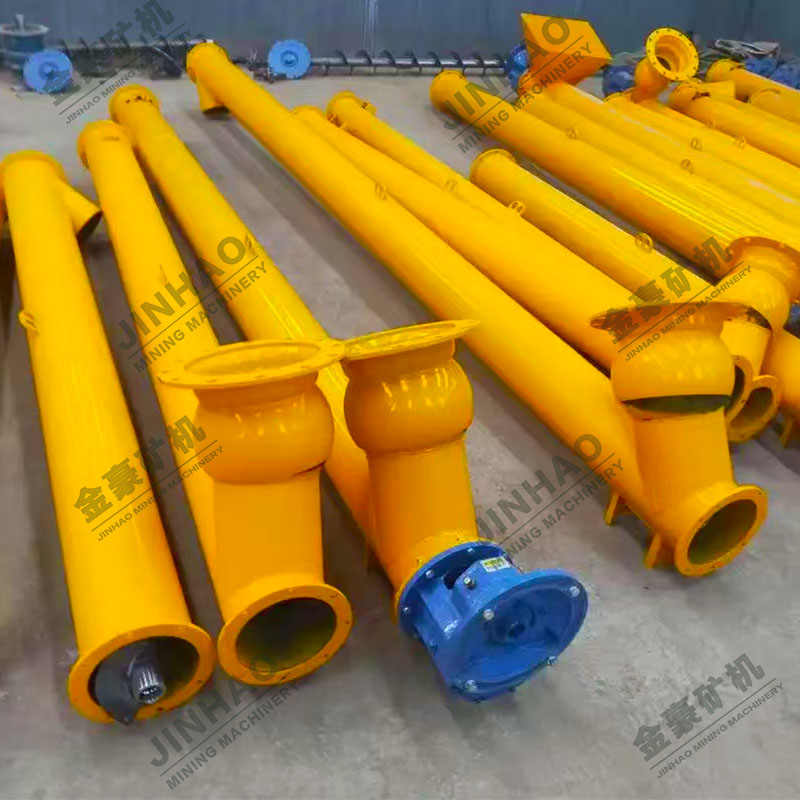
Product Features The spiral feeder is mainly used for continuous...
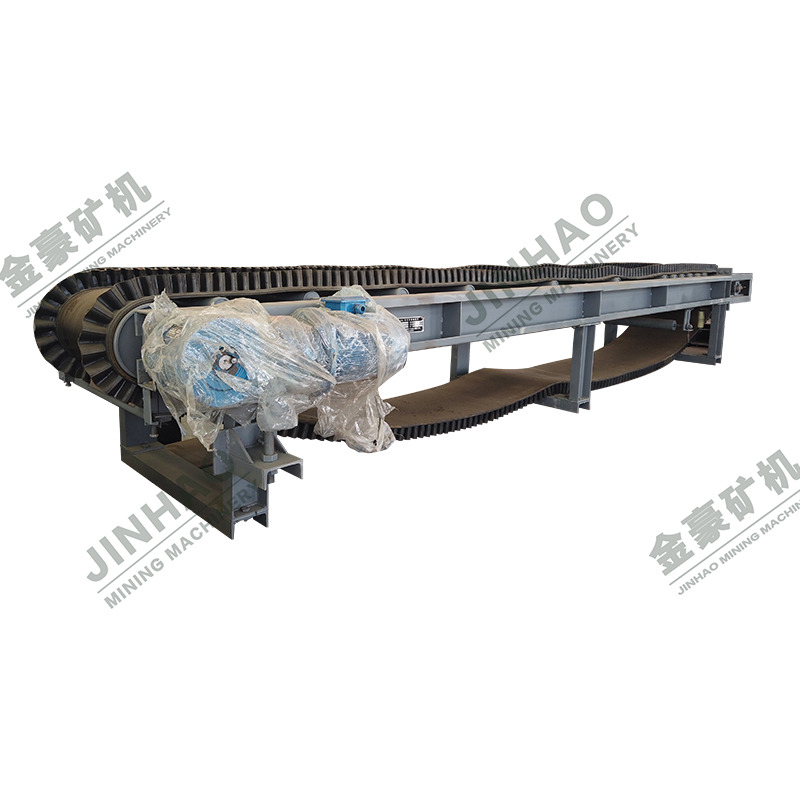
Product Features The belt feeder is a relatively short-length belt...