
Introduction
Introduction
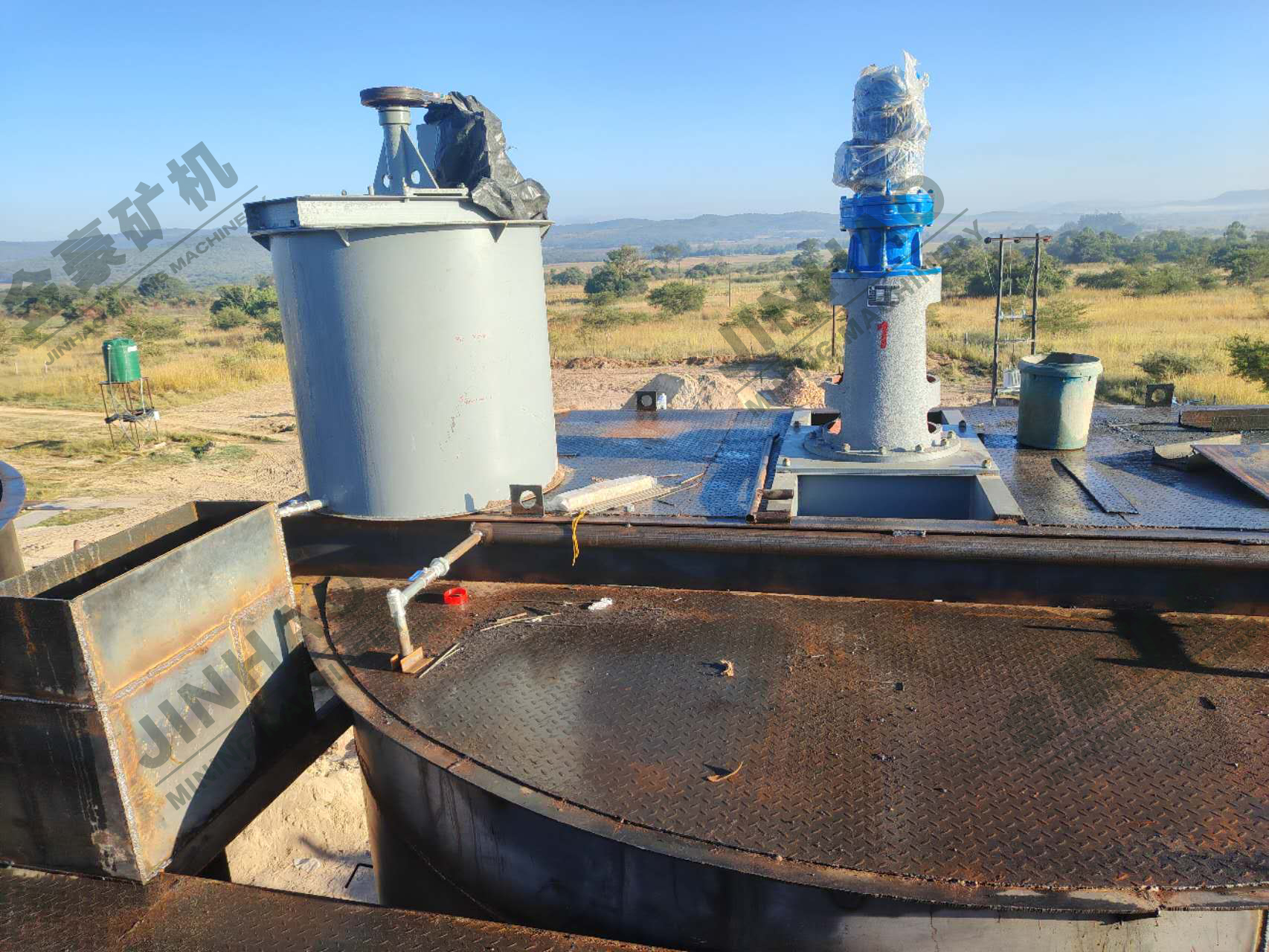
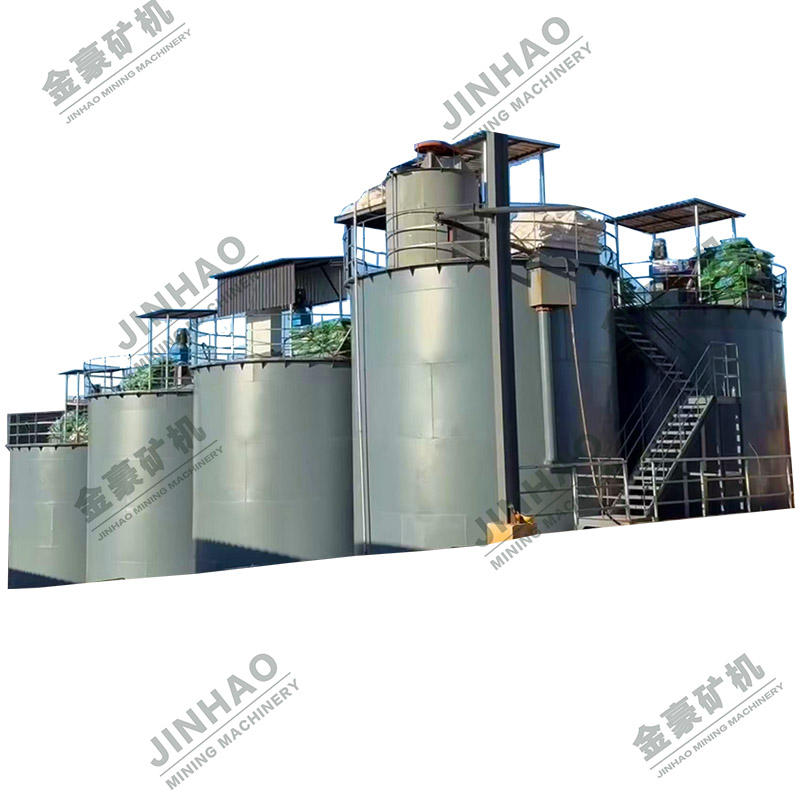
The gold mine tailings re-beneficiation process is a tailings resource recovery system centered on "grinding-classification-cyanide leaching-electrolysis-smelting". Targeting residual gold minerals after gold ore beneficiation, it achieves deep gold recovery via a combined process of fine grinding liberation and cyanide leaching. It features high resource utilization, stable gold recovery rate, and environmental closed-loop operation, capable of increasing residual gold grade in tailings from 0.1-0.3g/t to a recoverable level, suiting resource utilization needs of various gold mine tailings.
Application
🟡Flotation/gravity separation gold tailings: Tailings with residual gold after flotation or gravity separation (most common type) 🟡Low-grade residual gold tailings: Low-residual resources with tailings gold grade 0.1-0.3g/t 🟡Fine-grained disseminated gold tailings: Tailings with gold mineral dissemination size <0.074mm that require fine grinding for liberation 🟡Cyanide tailings: Tailings with residual gold after cyanide leaching
Process Flow
01
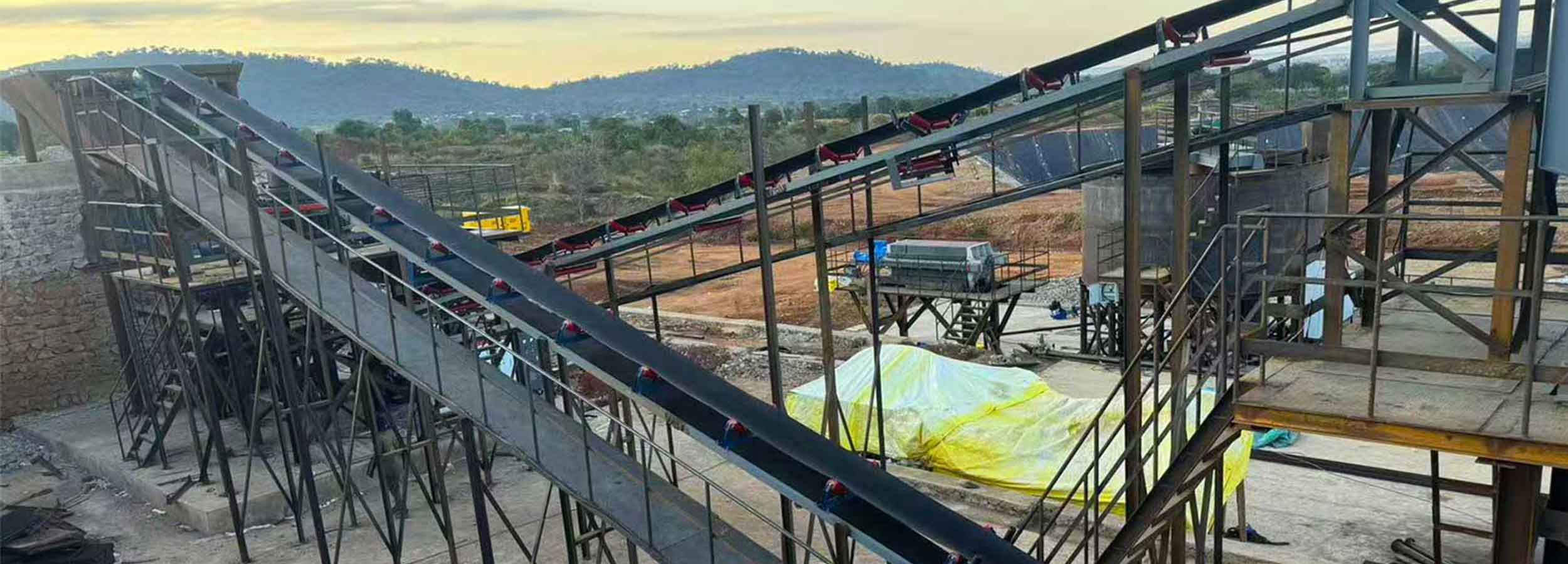
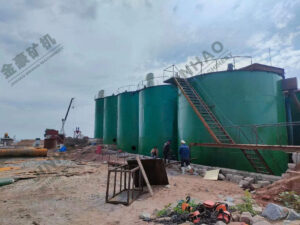
Tailings Conveying & Conditioning: Tailings from the tailings bin are conveyed to the high-concentration agitation tank via a belt conveyor, mixed into uniform pulp, and sent to the ball mill for fine grinding.
02
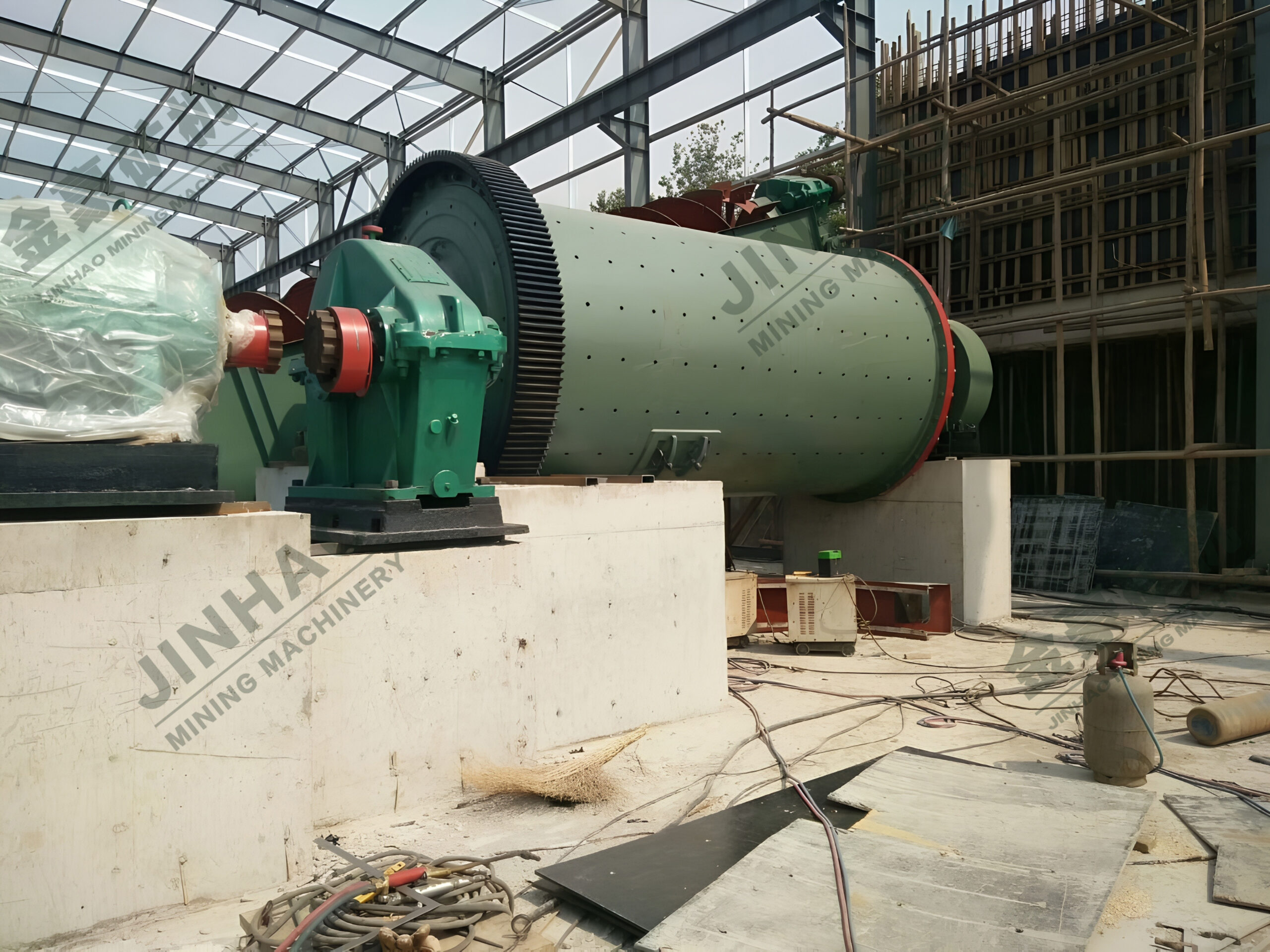
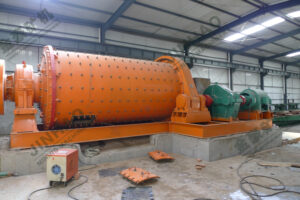
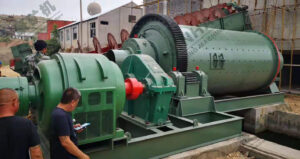
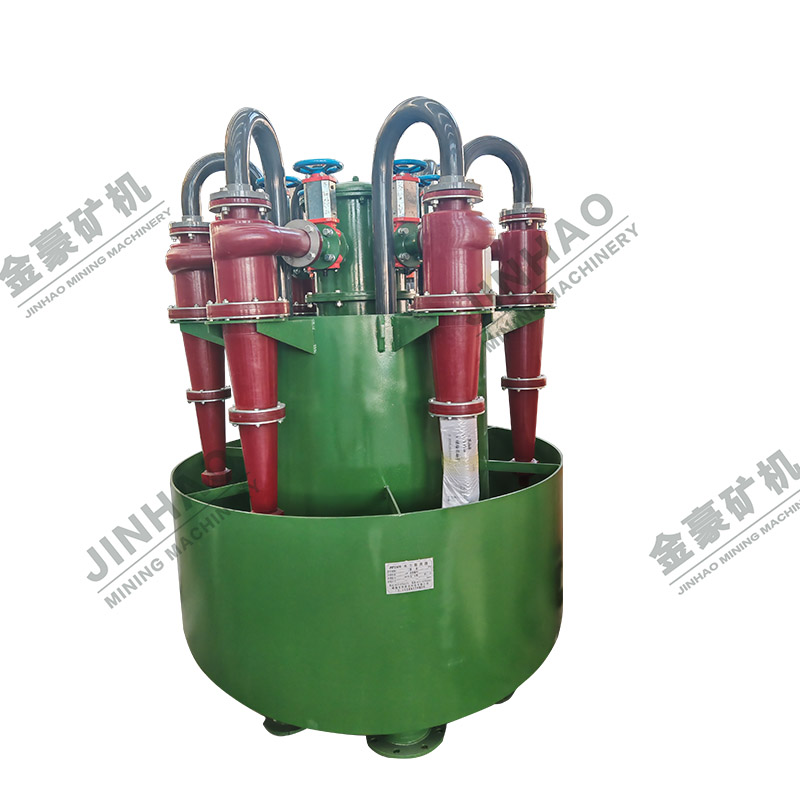
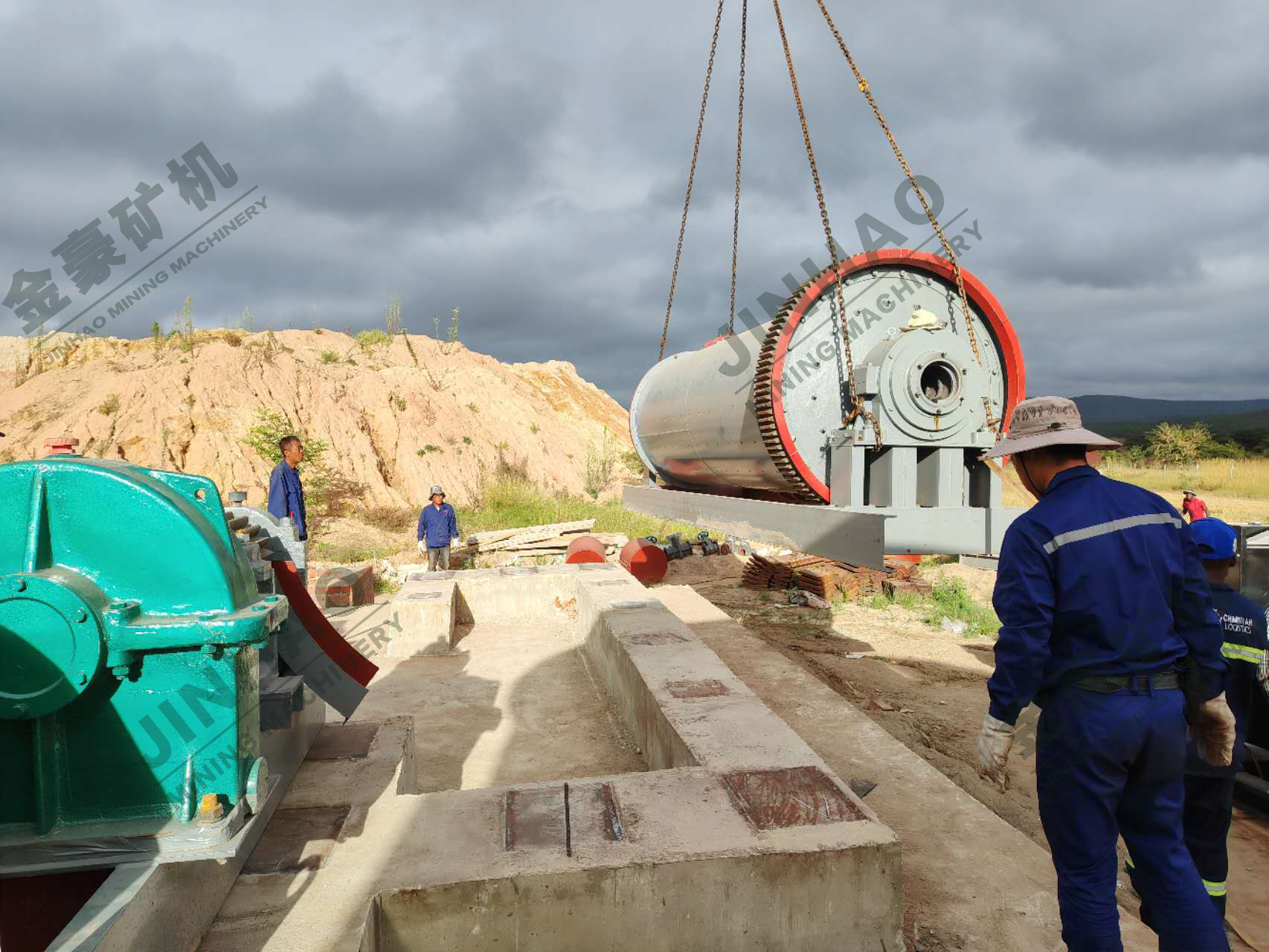
Grinding & Classification: Pulp is finely ground in the ball mill, then sent to the pump pool, and conveyed to the hydrocyclone via a slurry pump for classification. Unqualified pulp is returned to the ball mill for re-grinding to ensure full liberation of gold minerals.
03
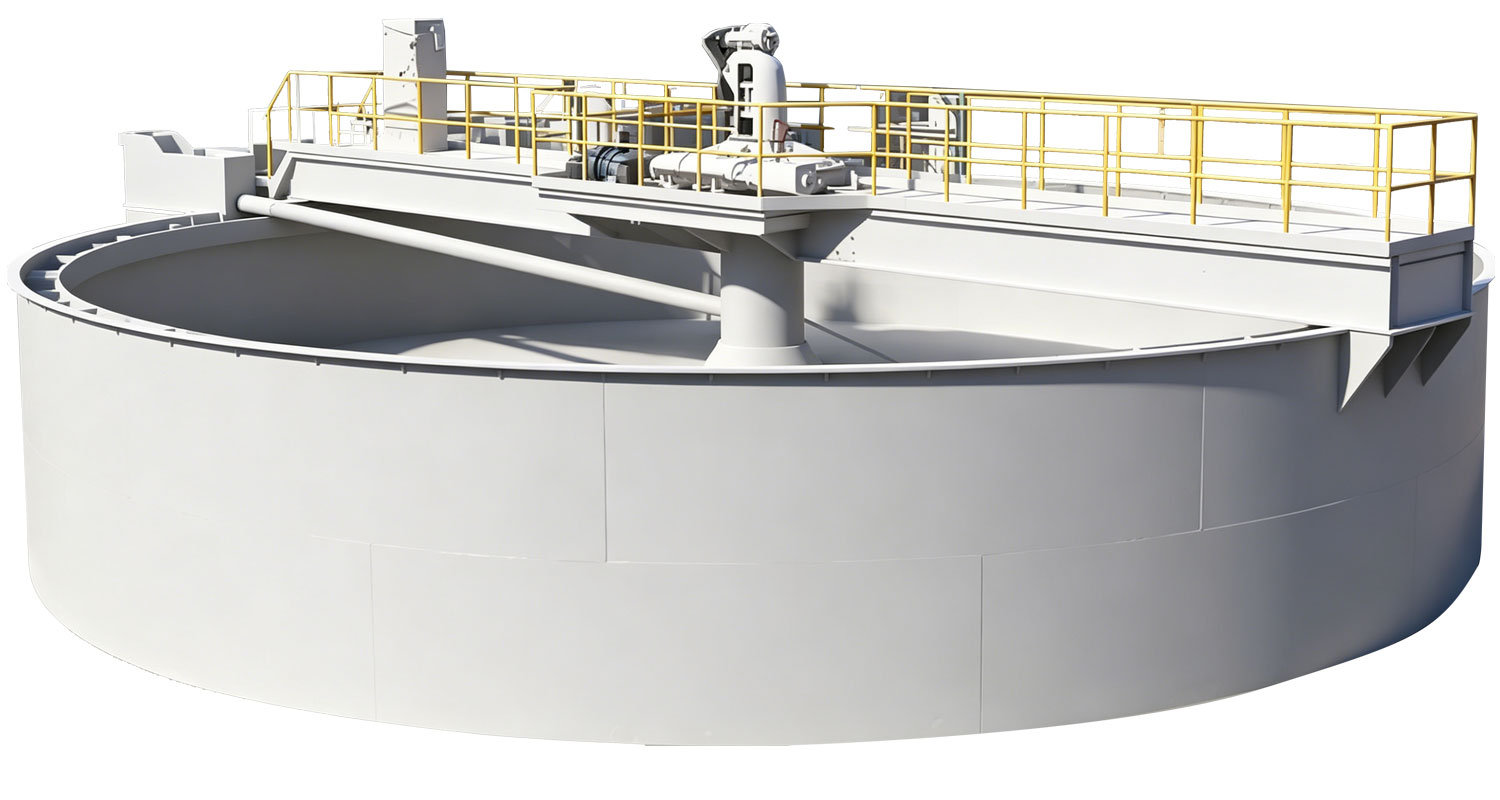
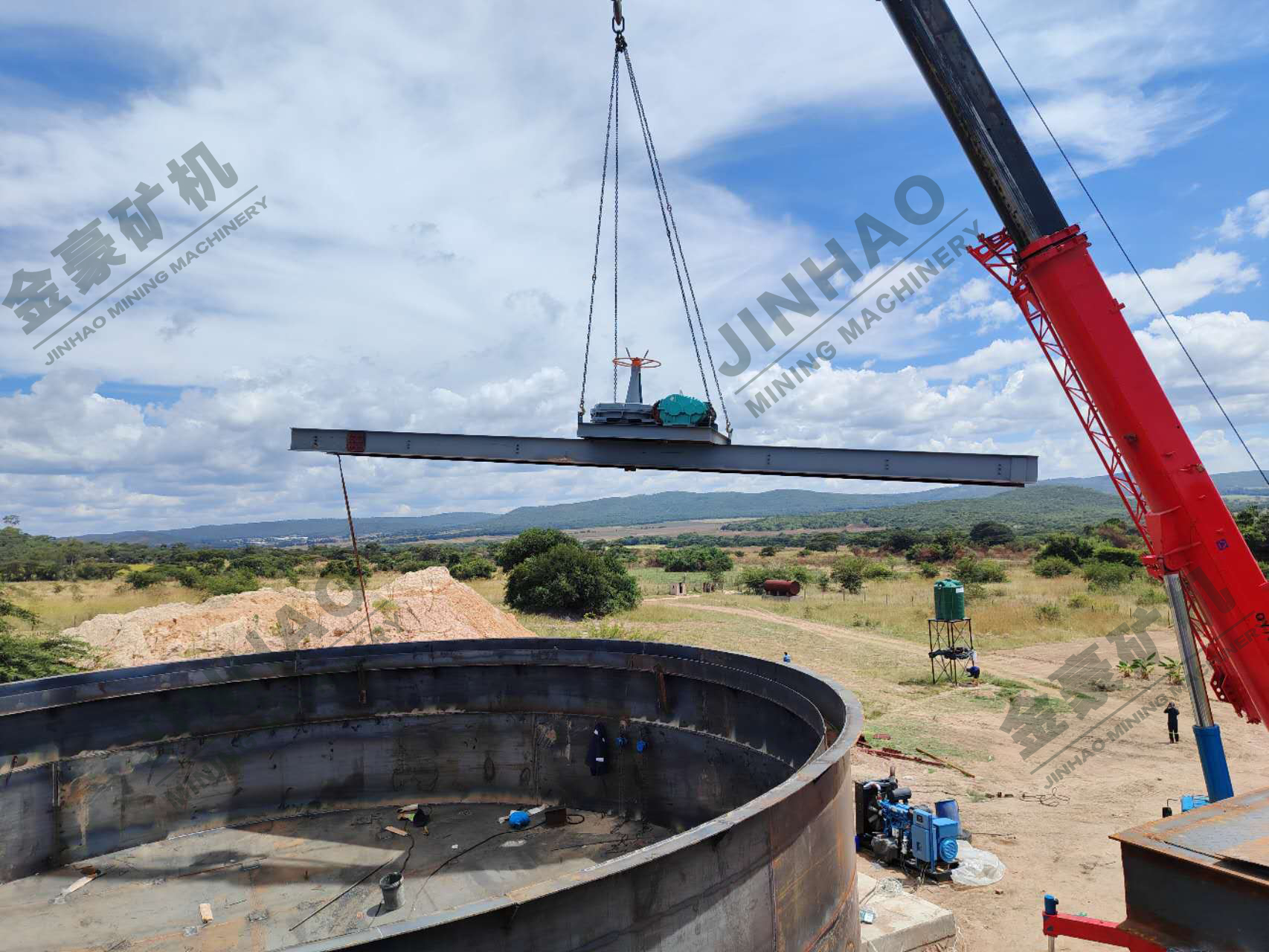
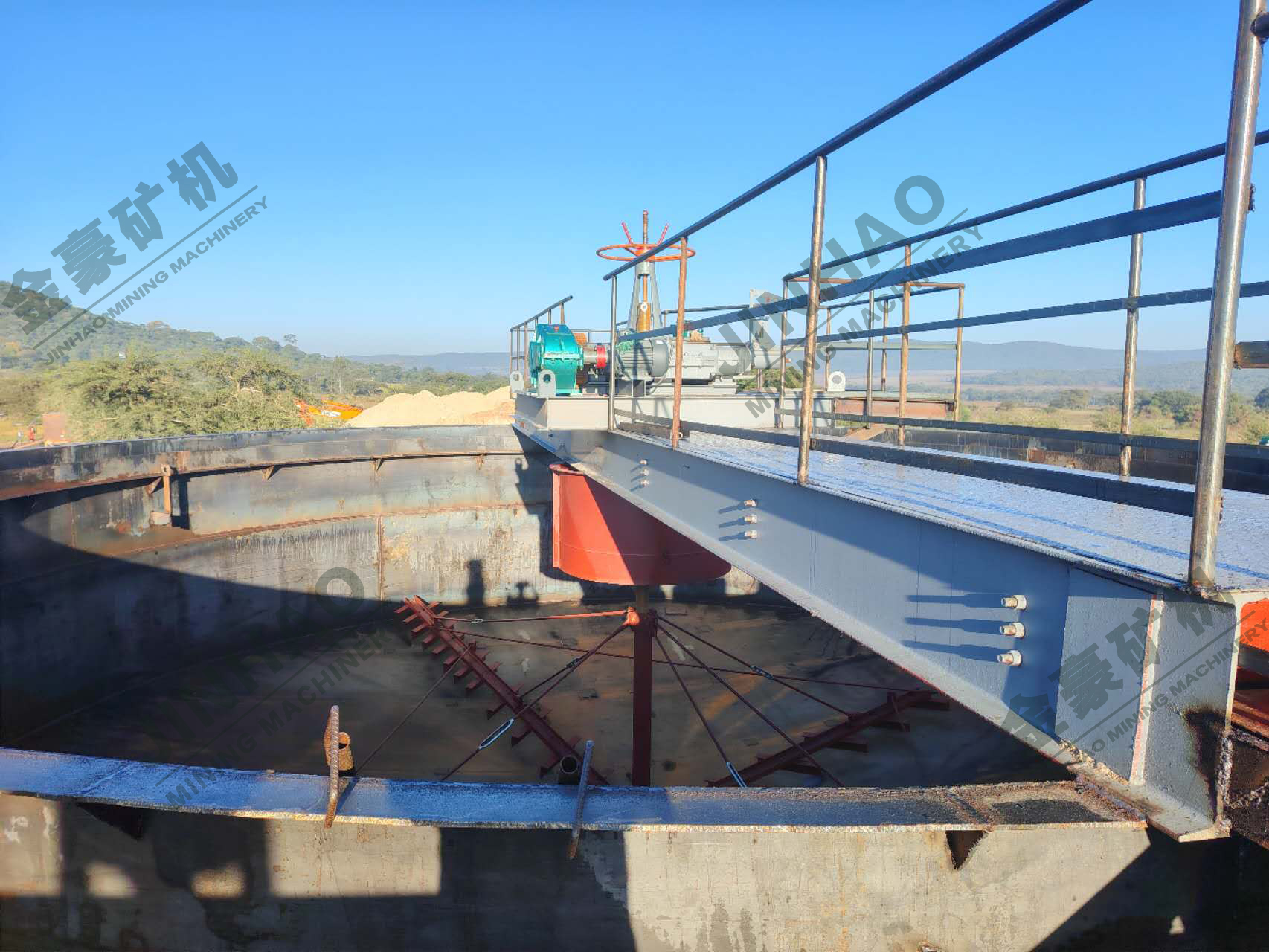
Concentration & Reagent Conditioning: Qualified pulp is concentrated in the thickener, then cyanide reagents are added via the reagent agitation tank to prepare for leaching.
04
Cyanide Leaching: Conditioned pulp is sent to the leaching tank, where gold is dissolved into a gold-containing solution via cyanidation reaction.
05
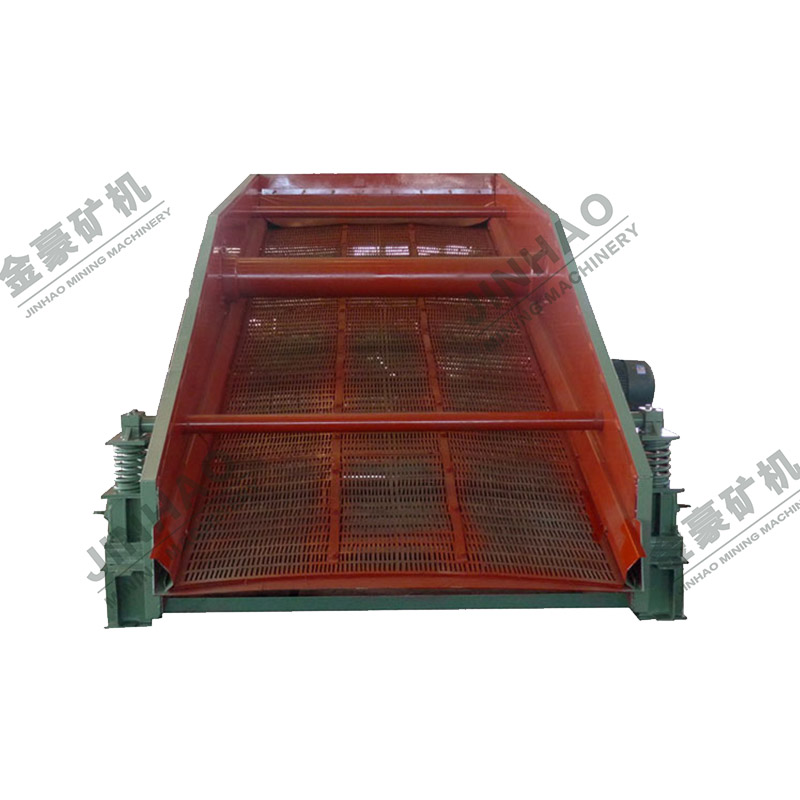
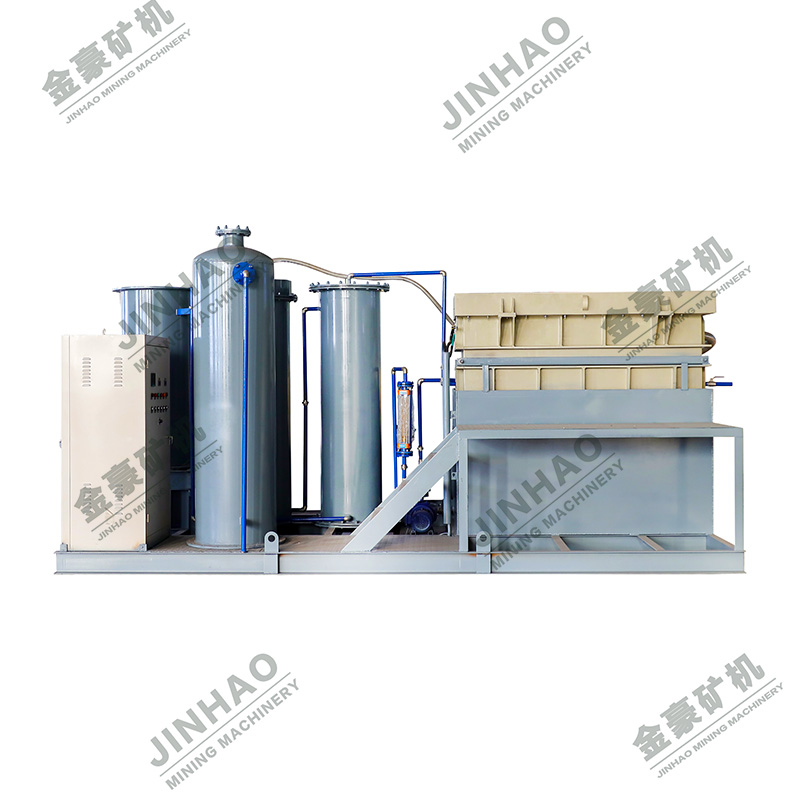
Solid-Liquid Separation & Electrolysis: The gold-containing solution undergoes solid-liquid separation via a linear screen, then is sent to the desorption-electrolysis system to extract gold mud, which is smelted into gold ingots via smelting equipment.
6
Tailings Residue Treatment: Leached tailings residue is sent to the plate-and-frame filter press via the pump pool for dewatering, and dry tailings residue can be used for goaf filling or harmless disposal.
Process Flow Diagram
Gold recovery rate in tailings can reach 60%-80%, converting originally discarded tailings into usable resources and significantly improving project revenue.
Tailings residue has no wastewater discharge after filter press dry discharge, and cyanide can be recycled, meeting green mine environmental protection requirements.
Grinding process is optimized for fine-grained disseminated gold minerals, ensuring full liberation and improving leaching efficiency.
Relying on existing tailings resources, no additional mining costs are required, and dry tailings residue can be reused to further reduce disposal costs.
Compatible with various gold mine tailings, suiting tailings recovery scales from small-to-medium mines to large gold mines.
Related Products
Product Features This product is used in the carbon slurry...
Product Features The desorption electrolysis unit is key equipment in...
Product Features - The complete set of desorption-electrolysis system equipment...
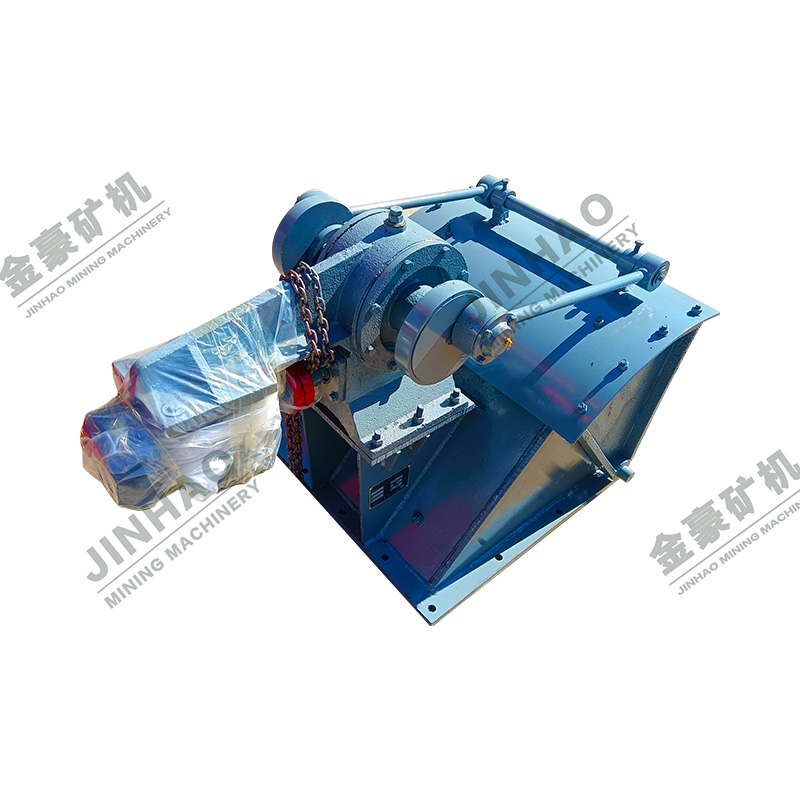
Product Features The oscillating feeder is suitable for the mining,...
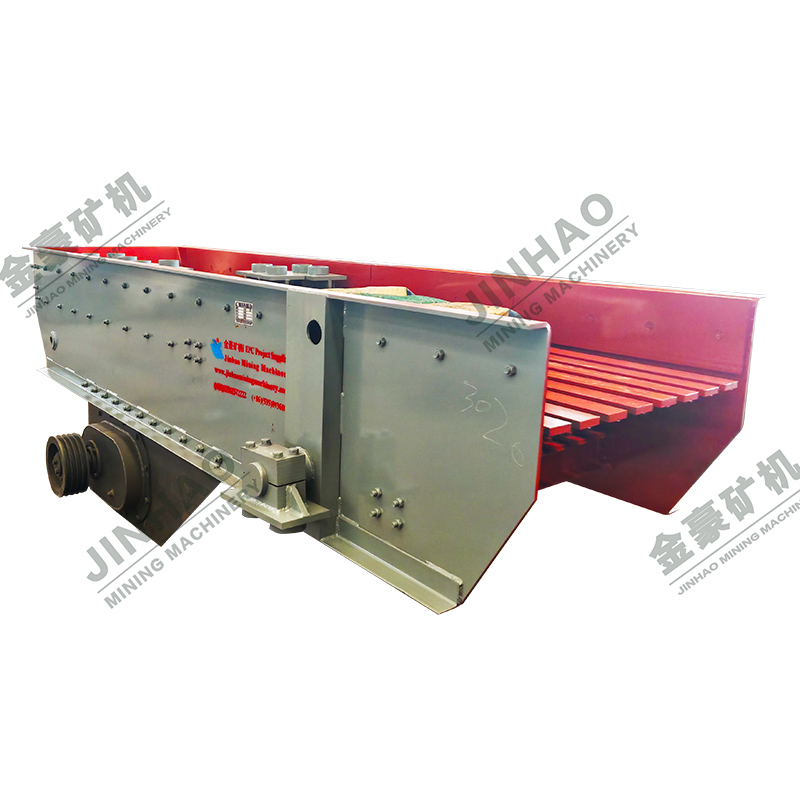
Product Features The ZSW‑series vibrating feeder is mainly used to...
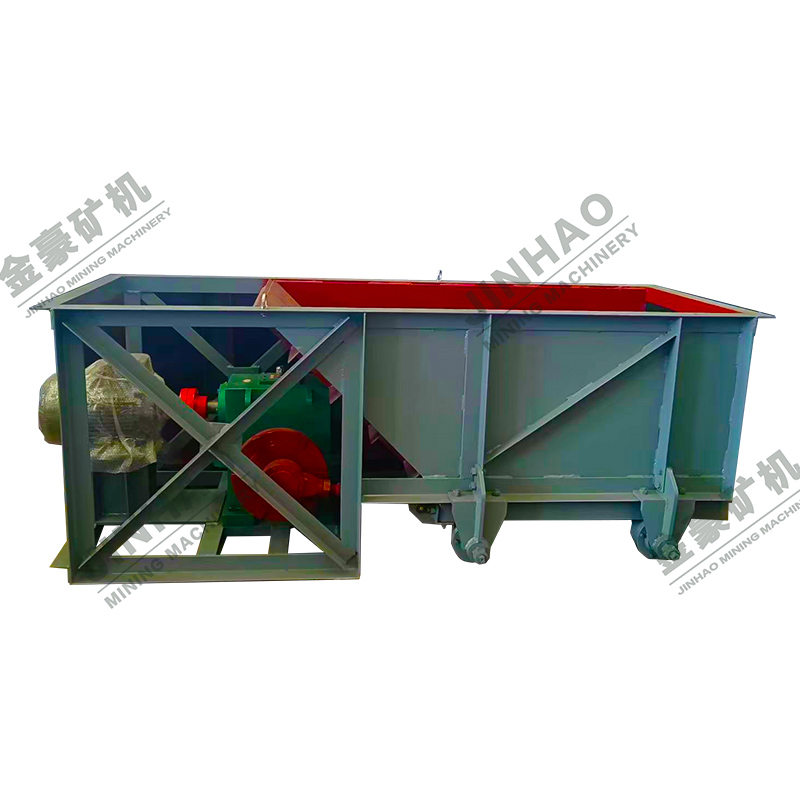
Product Features The trough feeder is generally suspended at the...
Product Features The GZ series electromagnetic vibrating feeder is used...
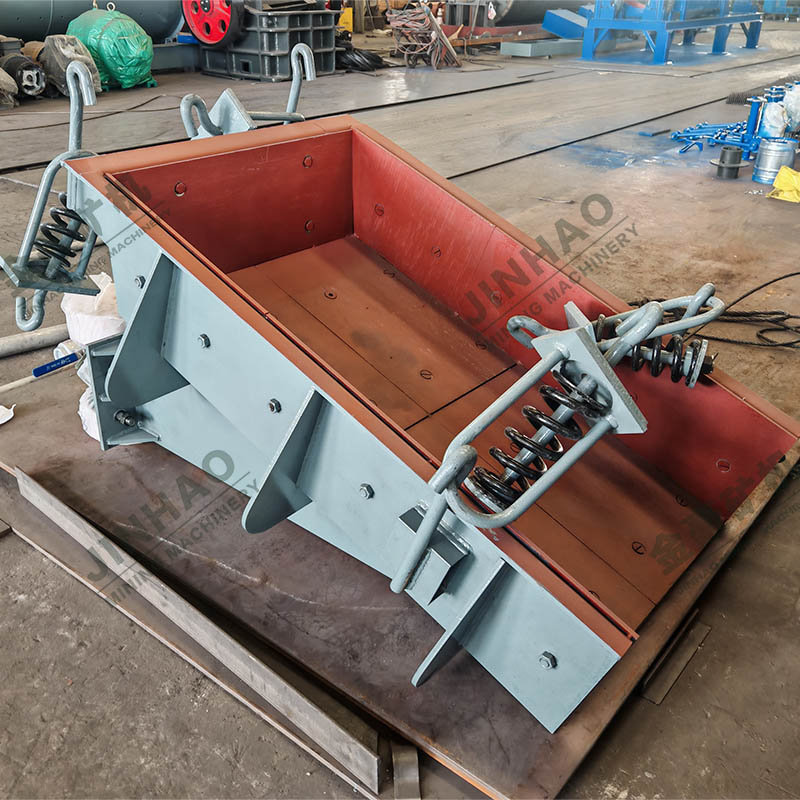
Product Features The DZ Series Motor Vibrating Feeder is a...
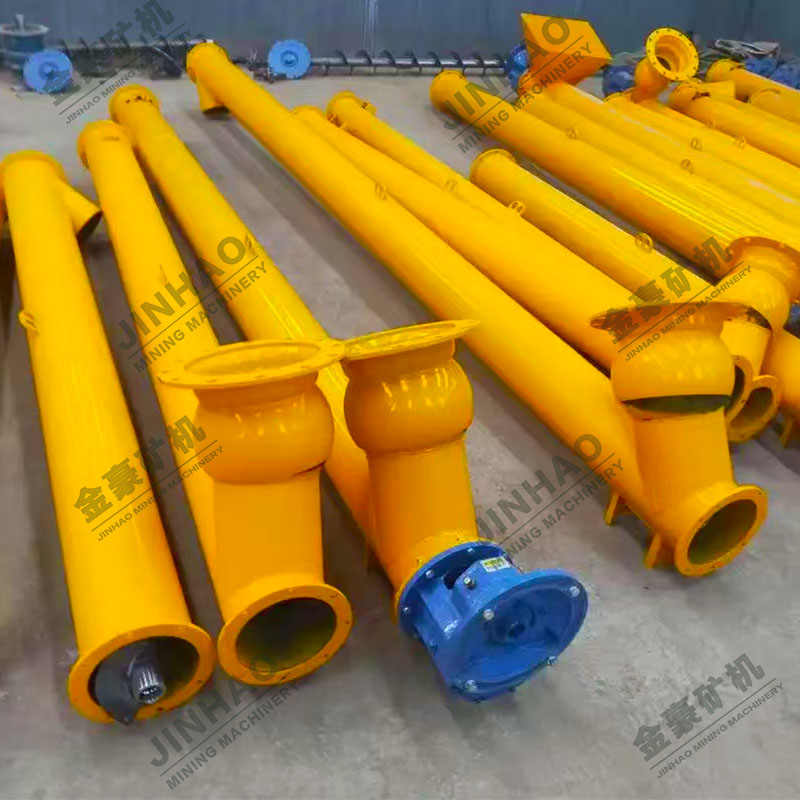
Product Features The spiral feeder is mainly used for continuous...
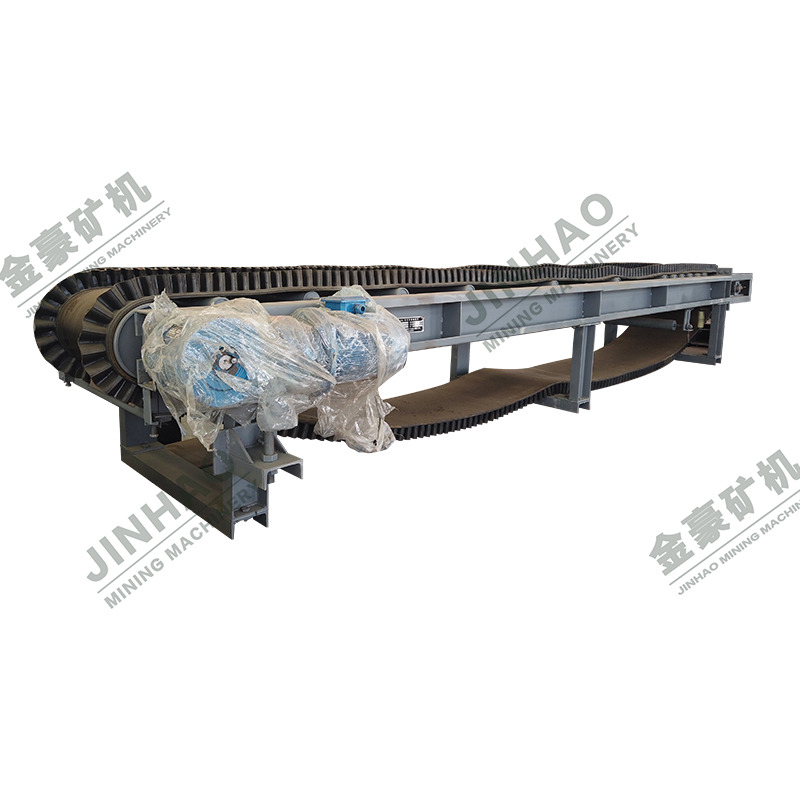
Product Features The belt feeder is a relatively short-length belt...