

Lode vs Placer Gold: Key Differences Every Miner Should Know
Key takeaways
- Lode gold is in rock; placer gold is in gravel. One must be blasted and ground, the other only washed and concentrated.
- Placer gold is already liberated, so gravity does most of the work — jigs, shaking tables and centrifugal concentrators.
- Lode gold may be free or locked in sulphides, which decides whether gravity, flotation or cyanidation leads the circuit.
- Placer circuits fail on clay and fines, not on gold content. Washing and screening ahead of gravity concentration matter more than the concentrator itself.
- Recovery is a chain. A weak link in comminution, screening or classification caps the whole plant’s recovery.
Every gold operation starts with one question: is the gold still in the rock, or has nature already freed it? The answer splits the industry in two. Lode gold is primary — locked in quartz veins and sulphide minerals where it formed. Placer gold is secondary — eroded out of its host rock, transported by water, and concentrated into gravel and sand.
That single geological difference drives everything downstream: how the deposit is mined, how the ore is prepared, which equipment is used and what recovery is realistic.
How the two types form
Lode deposits form underground. Hot hydrothermal fluids carry gold through fractures in the rock; as they cool and react with their surroundings, gold precipitates in veins and in altered wall rock, usually with quartz, pyrite and arsenopyrite. The gold stays exactly where it was deposited.
Placer deposits form at the surface. When a lode is uplifted and weathered, the surrounding rock breaks down and the gold — dense and chemically inert — survives. Rivers and streams carry it downstream, and wherever the water slows, gold settles while lighter sand and clay are flushed away. Over long periods this concentrates gold into gravel terraces, river beds and beach sands.
Side-by-side comparison
| Characteristic | Lode (primary) | Placer (secondary) |
|---|---|---|
| Where it sits | In hard rock, often underground | In loose gravel, sand, river beds |
| Gold form | Free to locked in sulphides | Free, from coarse nuggets to fine flakes |
| Typical mining | Drill and blast, then haul | Excavate or dredge loose material |
| Feed preparation | Crushing and grinding (comminution) | Washing and screening only |
| Main recovery | Gravity, flotation, cyanidation, CIL/CIP | Gravity concentration |
| Grade measure | g/t (grams per tonne) | g/m³ (grams per cubic metre) |
| Main processing risk | Refractory sulphides, over-grinding | Clay, cemented gravel, fine gold loss |
Processing lode gold
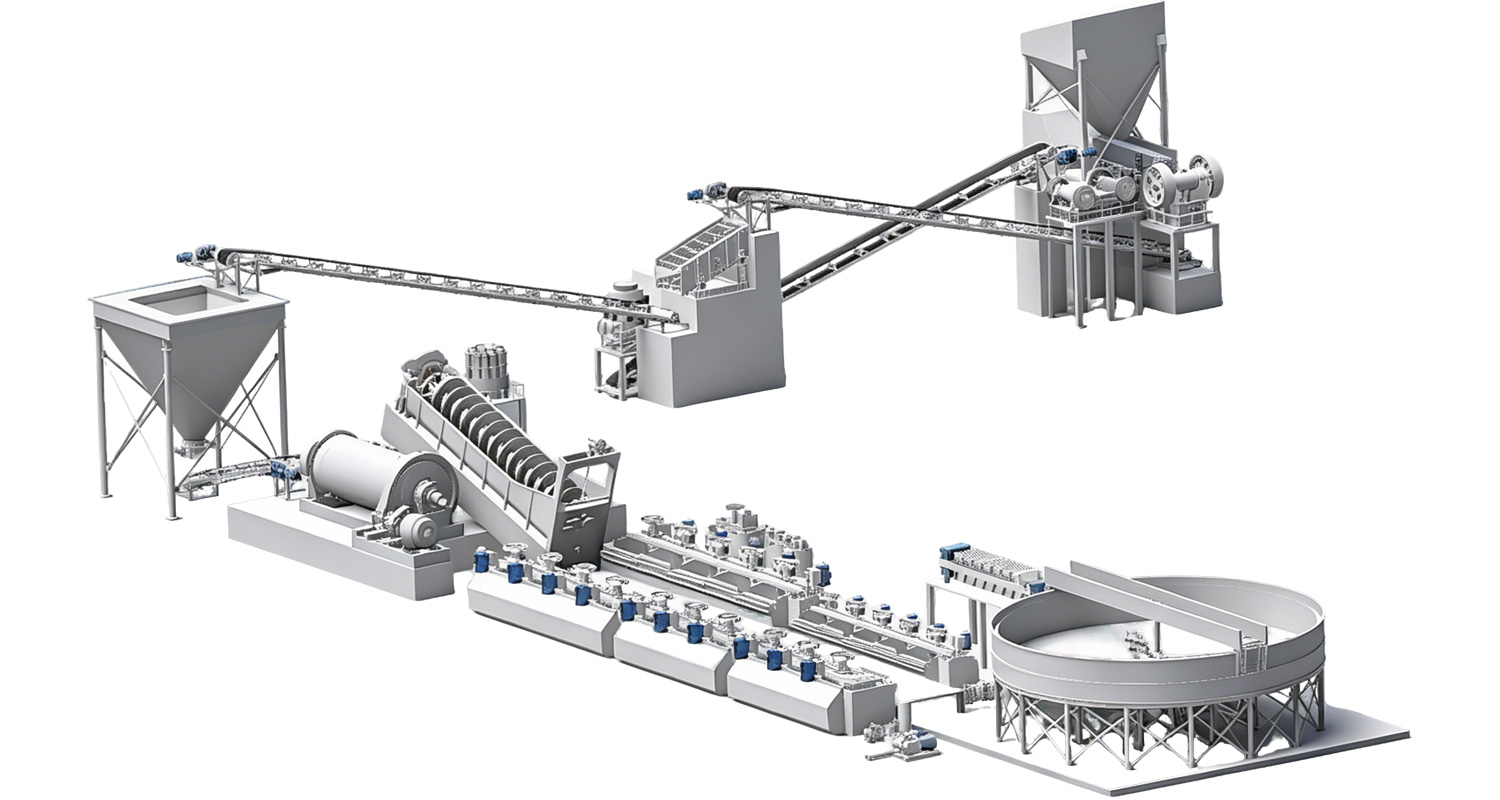
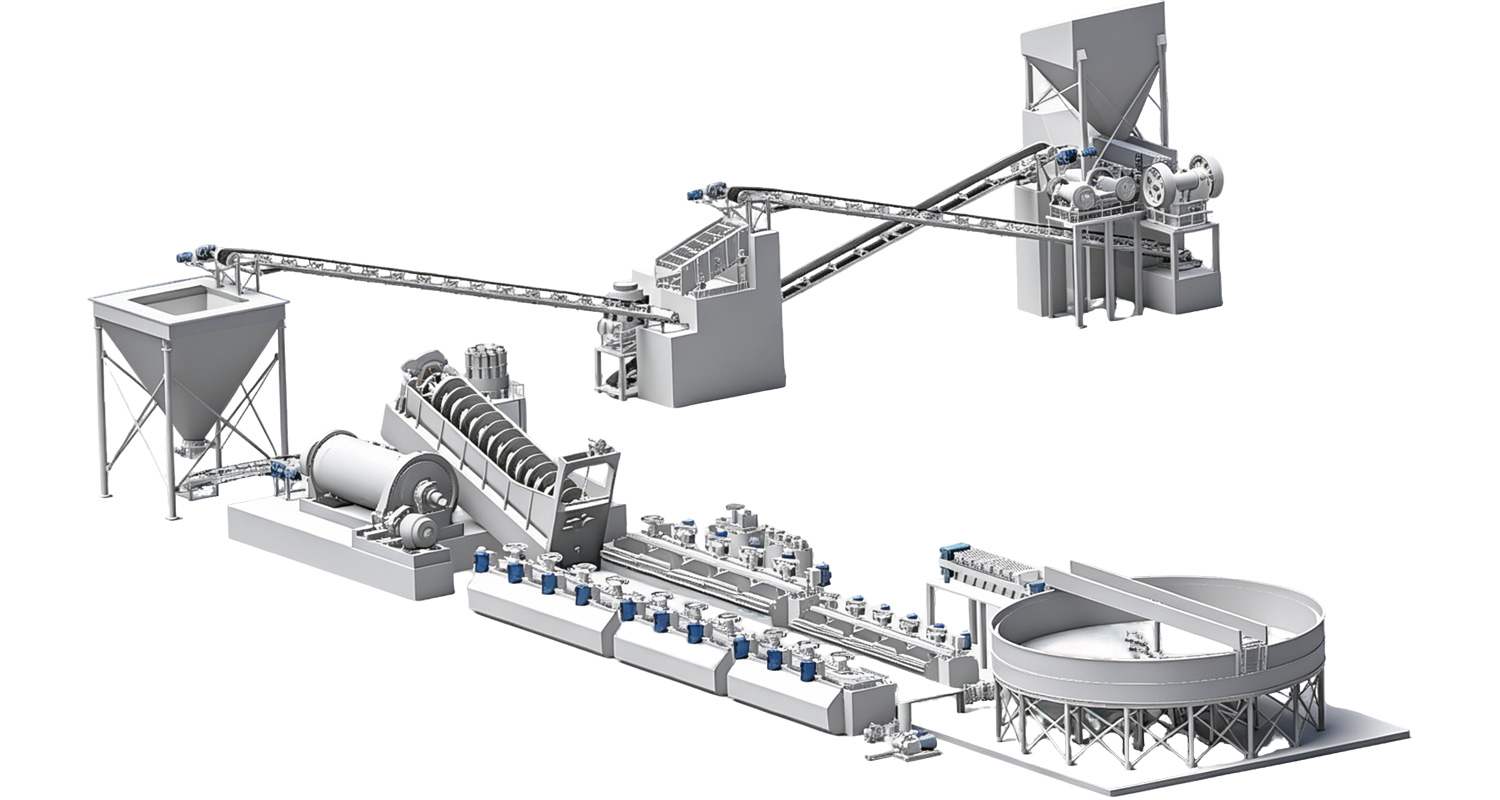
Lode ore arrives as run of mine rock, sometimes over a metre across, and must be reduced before anything can be recovered. The circuit normally starts with a jaw or gyratory crusher, followed by cone crushers in secondary and tertiary duty, then a grinding mill — ball, rod or autogenous — to reach the liberation degree the ore demands.
What happens next depends on the gold. If a meaningful share is coarse and free, gravity concentration catches it early, before it can be over-ground into slimes that gravity cannot recover. If the gold is locked in sulphide minerals, the circuit instead floats a concentrate, and the gold is recovered from that concentrate rather than from the whole ore. Where the gold is free-milling and fine, whole-ore cyanidation in a CIL or CIP circuit is usually the most economical route.
You can explore the gold flotation route and the gravity options on our site; most lode plants use some combination of the two.
Processing placer gold
Placer circuits look deceptively simple, and that is where operators get caught out. The gold is already free, so no comminution is needed — but the feed also contains clay that blinds screens, cemented gravel that refuses to break down, and a wide range of particle sizes.
A placer plant therefore begins with scrubbing and washing to break up clay, then screening to split the feed into size fractions. Only then does gravity concentration begin, because a shaking table or jig works far better on a narrow size range than on a mixed one. Coarse gold suits jigs; finer fractions suit shaking tables and spiral chutes, and very fine gold is best caught by centrifugal concentrators.
Where each type goes wrong
Lode operations usually struggle with two things. The first is over-grinding: grinding past the point of liberation creates slimes, and slimes are notoriously hard to recover by gravity or flotation. The second is refractory mineralogy — if the gold is locked in arsenopyrite, no amount of grinding will free it, and the plant needs oxidation instead.
Placer operations struggle with the opposite problem. The gold is free, but too much fine material and clay can wash it straight out of the circuit. Screening efficiency and careful size classification decide whether the concentrators ever see the gold at all.
Rule of thumb: if the gold is free, gravity is your friend — but only on a well-classified feed. If the gold is locked, gravity will not help; you need flotation or oxidation.
Frequently asked questions
Is placer gold worth more than lode gold?
Placer gold is often coarser and can command a slight premium from collectors, but for a commercial operation the difference is small. What matters far more is recovery cost: placer material is much cheaper to process because it needs no crushing or grinding.
Can a placer deposit become a lode deposit?
No — the relationship runs the other way. Placer deposits are formed by the erosion of lode deposits. Over geological time, a lode is weathered, its gold is transported and concentrated, and a placer results.
Why is gravity concentration used for placer gold?
Because placer gold is already liberated and much denser than the surrounding sand and gravel. Gravity concentration separates particles by density without chemicals, which makes it cheap, simple and ideal for free gold.
What equipment is used to recover fine placer gold?
Coarse gold is caught by jigs, medium fractions by shaking tables and spiral chutes, and fine gold by centrifugal concentrators. Screening and classification ahead of each stage are as important as the concentrators themselves.
Does lode gold always need cyanidation?
No. If a large share of the gold is coarse and free, gravity concentration can recover a significant portion at very low cost, and cyanidation treats only the remainder. A gravity-first circuit often pays for itself by keeping coarse gold out of the leach.
Mining a lode or a placer deposit? Tell us the ore type and we will recommend the right circuit.
Talk to a Jinhao engineer