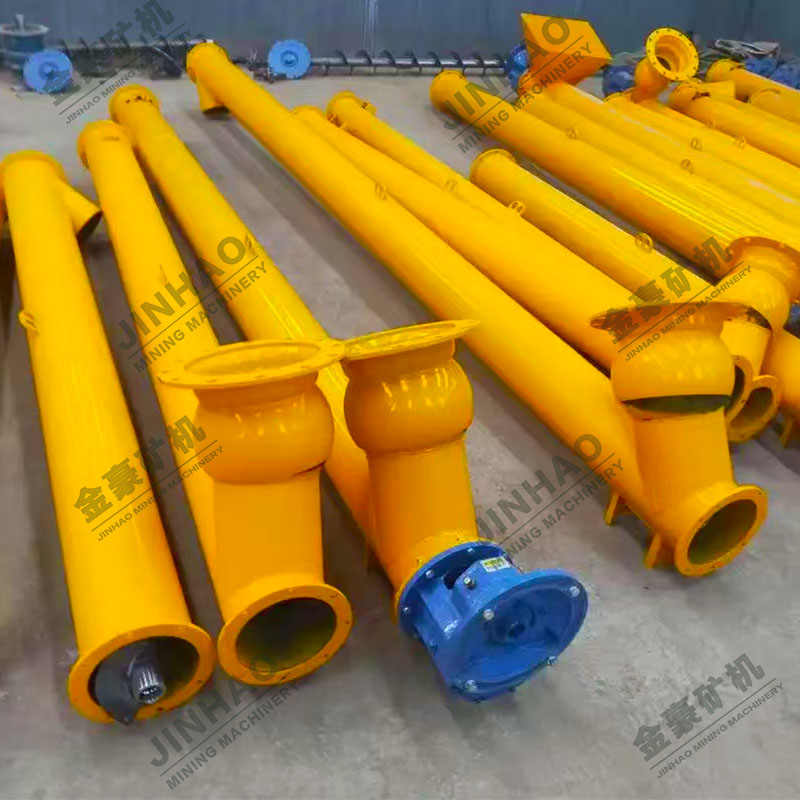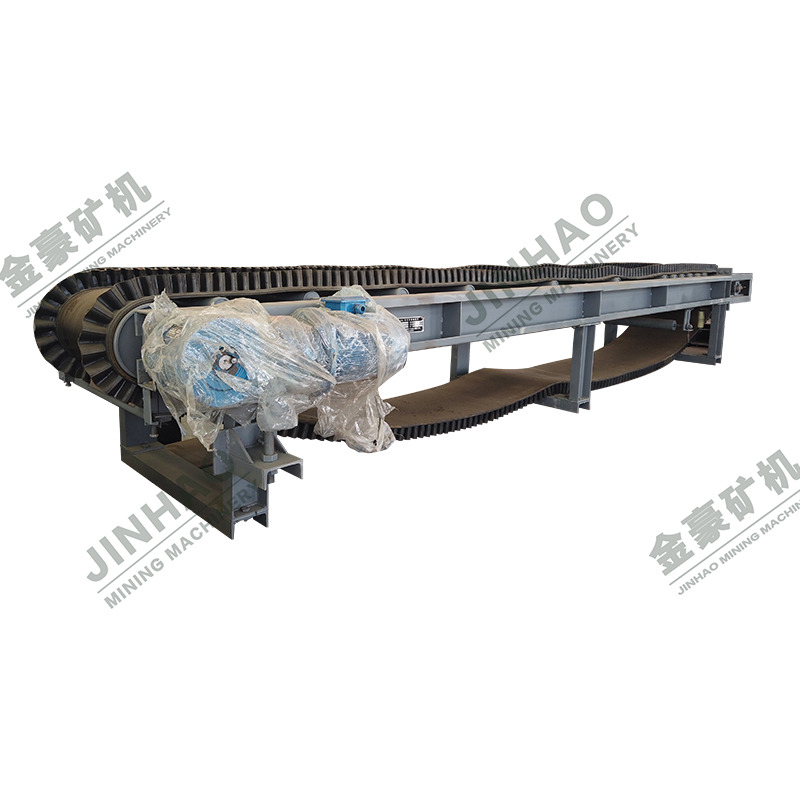

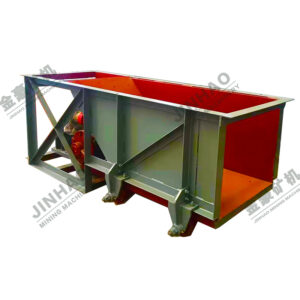
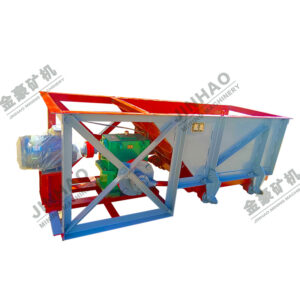
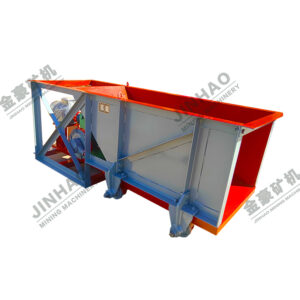
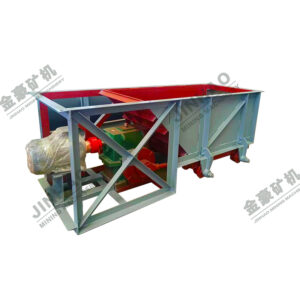
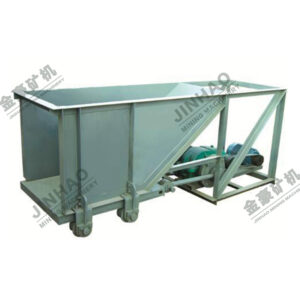
Chute Feeder

Product Features
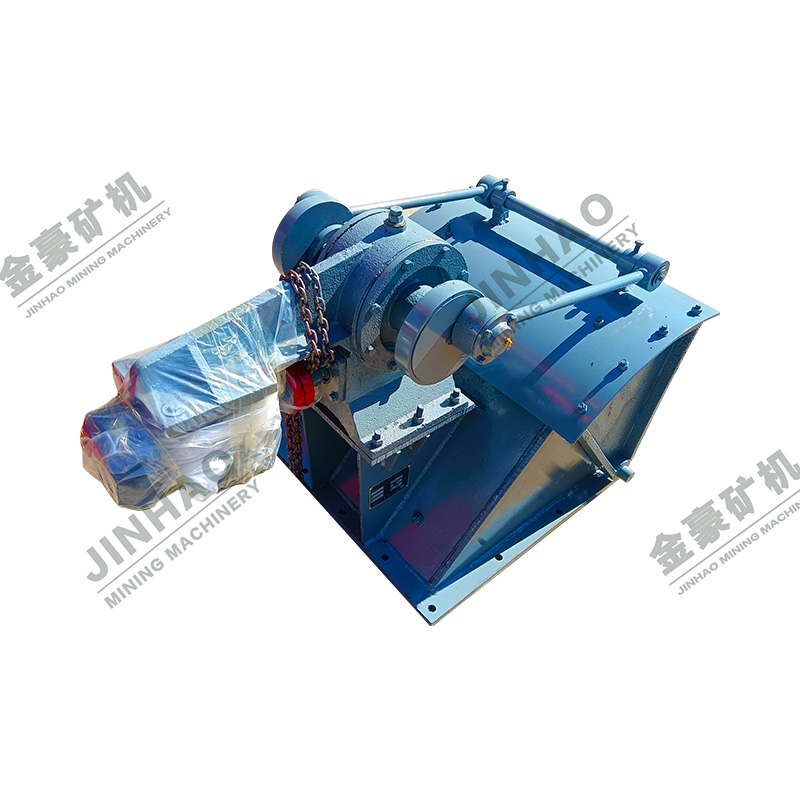
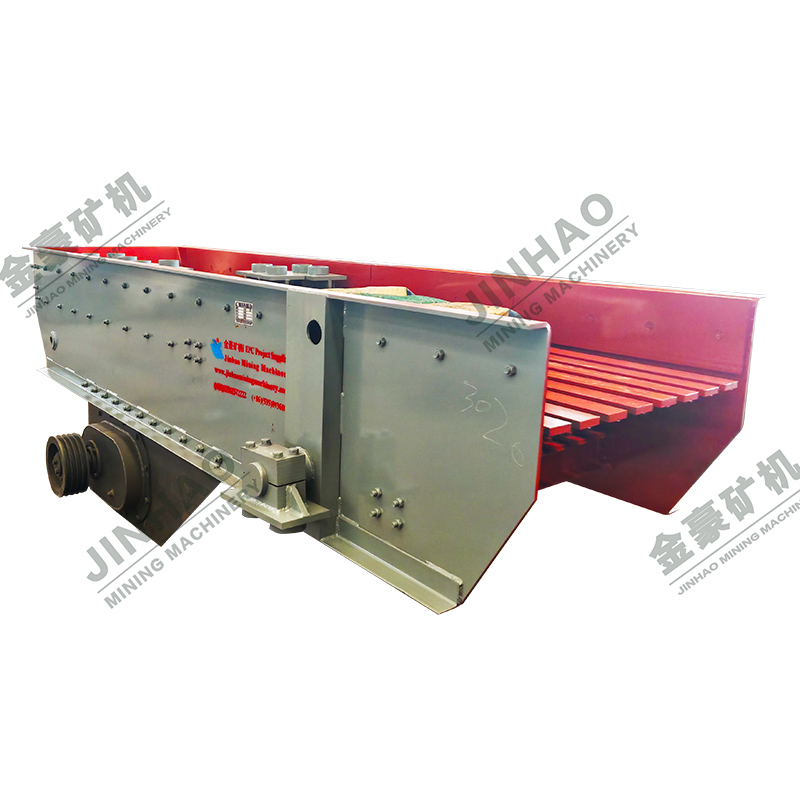
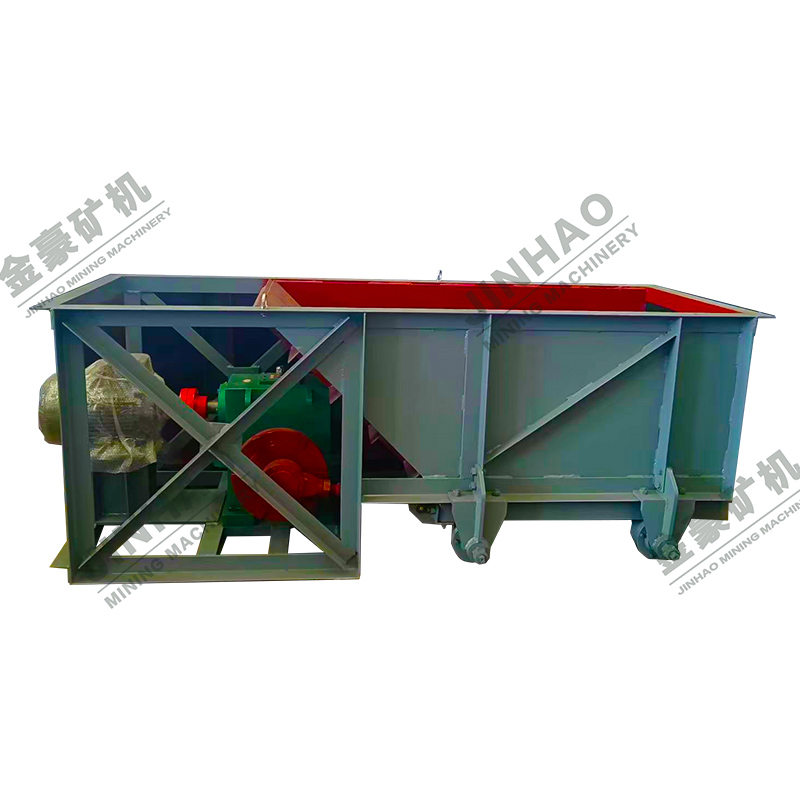
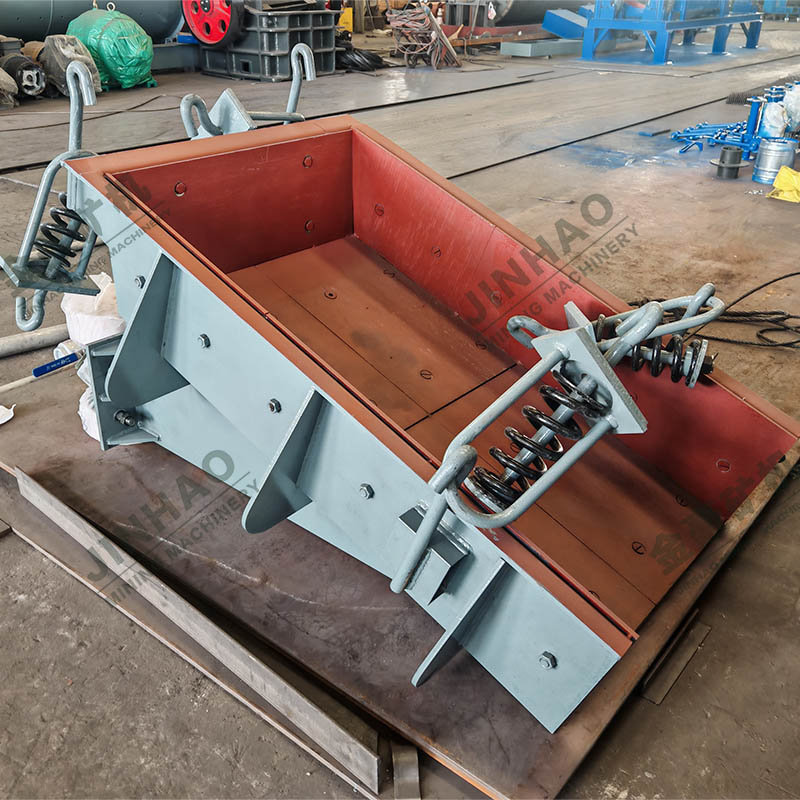
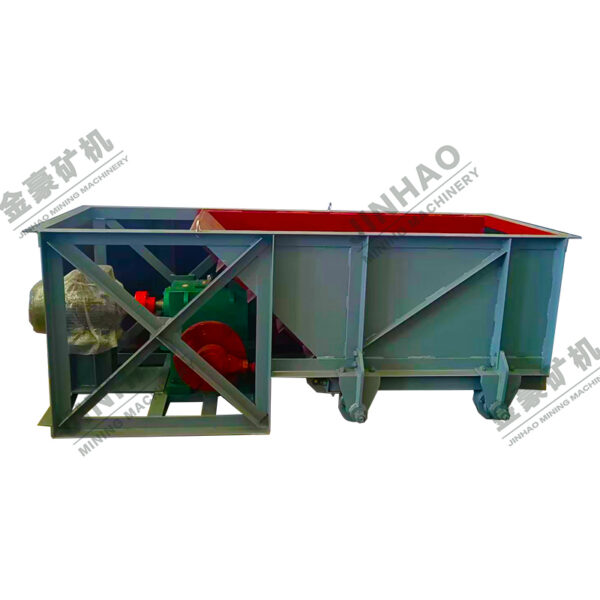
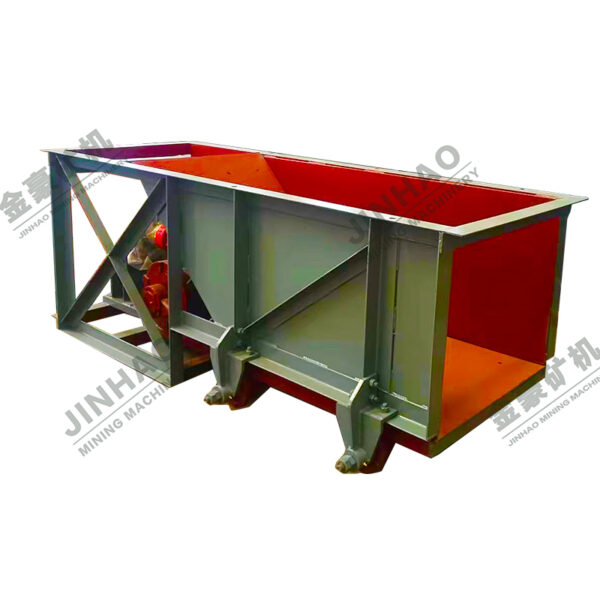
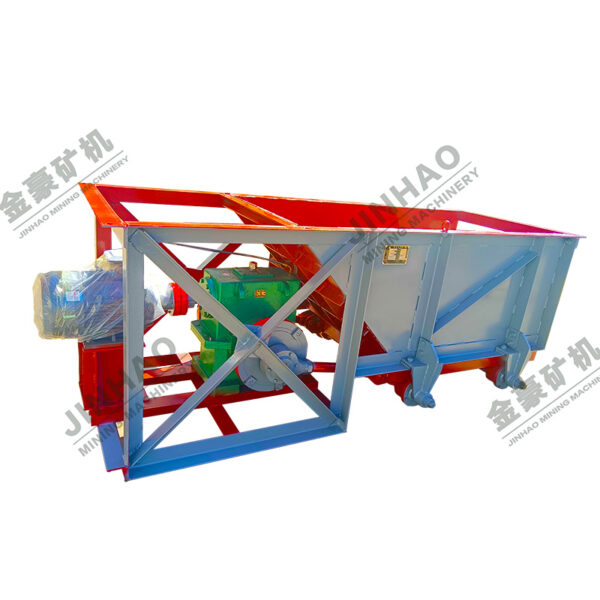
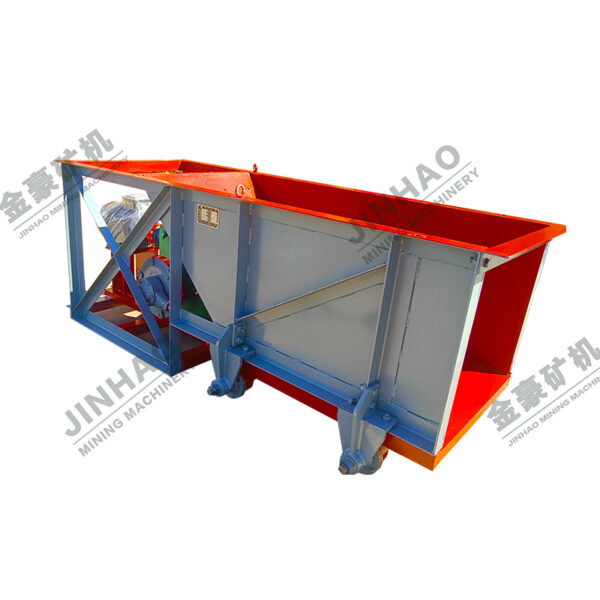
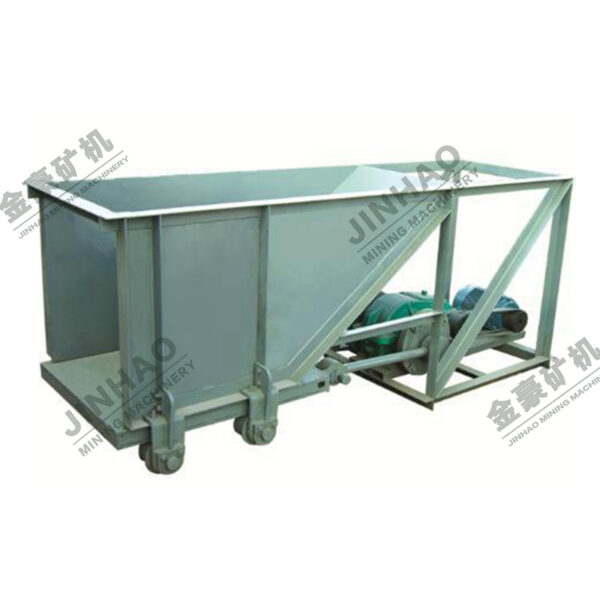
The trough feeder is generally suspended at the discharge opening of a ore bin. It is suitable for the mining, coal, chemical, and other industrial sectors, and is used to take block materials smaller than 500 mm from storage bins and feed them to various types of receiving devices. However, it is not suitable for feeding concentrate powder or other powdered materials. The bottom plate of the trough moves in a reciprocating motion to achieve feeding, with a stroke frequency of 20–60 times per minute and a stroke length of 20–200 mm.
The feeding amount is determined by the stroke length. The stroke can be adjusted by changing the eccentricity of the drive mechanism’s eccentric wheel.

Selection Guidelines
The feeder model should be chosen according to the scale of the beneficiation plant and operational schedule, and manufactured by the production factory as a matched set. If a motor with variable speed is required, it must be specially ordered.
Technical Data Sheet of Chute Feeder
ModelReciprocating Plate Size (mm) (L×W)Maximum Feeding Size (mm)Feeding Capacity (t/h)Motor ModelMotor Power (kW)Weight
(kg)
CG600×500600×50020010-50Y112M-441045
CG1240×9801240×98035036-90Y160M-67.51710
CG1240x11001240×110035050-110Y160L-6111850
CG1200x14001200×140035060-130Y160L-6111930

Product Features
The trough feeder is generally suspended at the discharge opening of a ore bin. It is suitable for the mining, coal, chemical, and other industrial sectors, and is used to take block materials smaller than 500 mm from storage bins and feed them to various types of receiving devices. However, it is not suitable for feeding concentrate powder or other powdered materials. The bottom plate of the trough moves in a reciprocating motion to achieve feeding, with a stroke frequency of 20–60 times per minute and a stroke length of 20–200 mm.
The feeding amount is determined by the stroke length. The stroke can be adjusted by changing the eccentricity of the drive mechanism’s eccentric wheel.

Selection Guidelines
The feeder model should be chosen according to the scale of the beneficiation plant and operational schedule, and manufactured by the production factory as a matched set. If a motor with variable speed is required, it must be specially ordered.
Related Products

Related Solutions

Gold Mine Flotation

Home > 页面 Message Introduction Introduction The gold flotation process...

Alluvial Gold

Home > 页面 Message Introduction Introduction The alluvial gold beneficiation...

Copper Mining

Home > 页面 Message Introduction Introduction The copper ore flotation...

Lead-Zinc Mine

Home > 页面 Message Introduction Introduction The lead-zinc flotation process...

Antimony Mine

Home > 页面 Message Introduction Introduction The antimony ore beneficiation...

Molybdenum Mine

Home > 页面 Message Introduction Introduction The molybdenum ore beneficiation...

Tin Mine

Home > 页面 Message Introduction Introduction The tin ore beneficiation...

Tungsten Mine

Home > 页面 Message Introduction Introduction The tungsten ore beneficiation...

Magnetite

Home > 页面 Message Introduction Introduction The magnetite beneficiation process...

Hematite

Home > 页面 Message Introduction Introduction The hematite processing flow...

Chrome Mine

Home > 页面 Message Introduction Introduction The chromite ore processing...

Graphite

Home > 页面 Message Introduction Introduction The graphite ore processing...

Flourite

Home > 页面 Message Introduction Introduction The fluorite ore beneficiation...

Lithium Mine

Home > 页面 Message Introduction Introduction The lithium ore beneficiation...

Silica Sand

Home > 页面 Message Introduction Introduction The quartz sand beneficiation...

Nickel Mine

Home > 页面 Message Introduction Introduction The nickel ore beneficiation...

Phosphate

Home > 页面 Message Introduction Introduction The phosphate ore beneficiation...

Dry Stack Tailings

Home > 页面 Message Introduction Introduction The tailings dry discharge...

Gold Mine CIL

Home > 页面 Message Introduction Introduction The Gold Carbon-in-Leach (CIL)...

Related News