
Introduction
Introduction
The phosphate ore beneficiation process is an enrichment system centered on "multi-stage crushing-grinding-flotation". Leveraging the floatability of phosphate minerals (e.g., apatite), it achieves precise separation of phosphate minerals from gangue (e.g., dolomite, quartz) via a combined process of grinding liberation + multi-stage flotation. It features high enrichment efficiency, stable phosphate recovery rate, and controllable product purity, capable of producing high-grade phosphate concentrate, suiting large-scale production of various phosphate ores and raw material demands of the phosphate fertilizer & chemical industry chain.
Application
🟡Apatite-type phosphate ore: Primary phosphate ore with apatite as the core mineral (main raw material for the phosphate fertilizer industry) 🟡Dolomite-associated phosphate ore: Phosphate ore associated with dolomite (common type) 🟡Low-grade phosphate ore: Low-grade resources with 10%-25% P₂O₅ content that require flotation enrichment 🟡Fine-grained disseminated phosphate ore: Ore with fine-disseminated phosphate minerals (0.05-0.5mm) that requires grinding for liberation
Process Flow
01
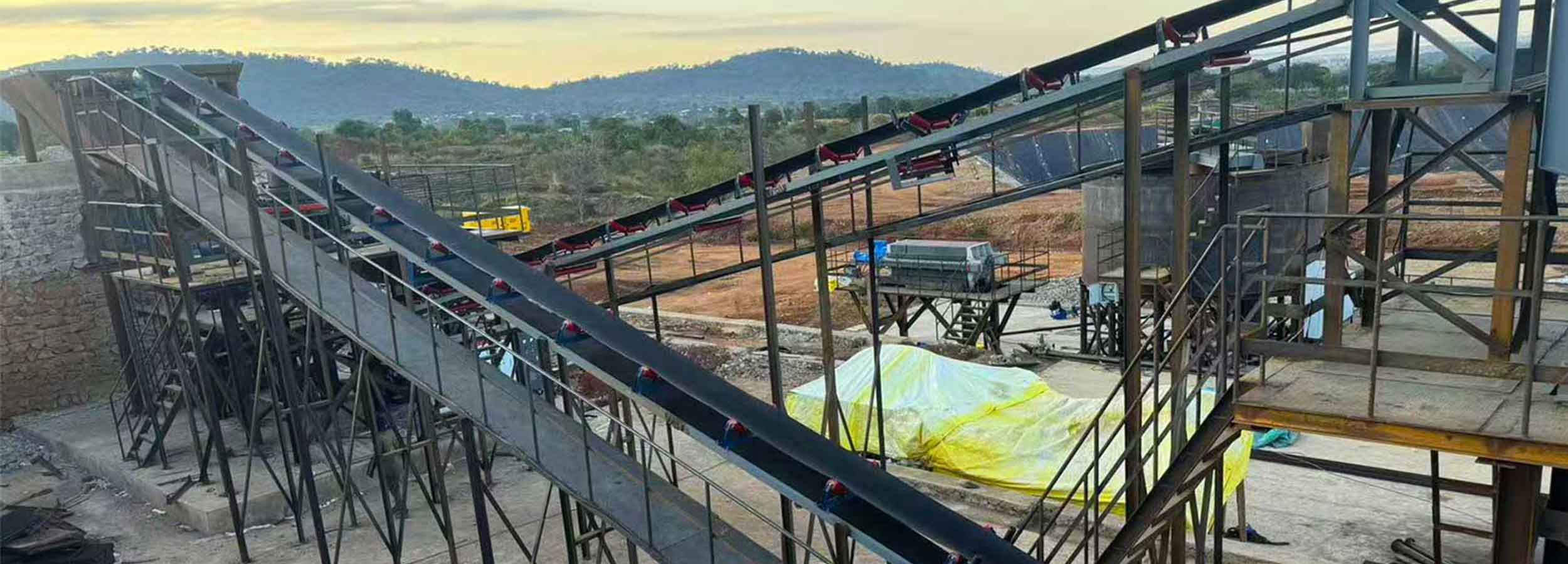
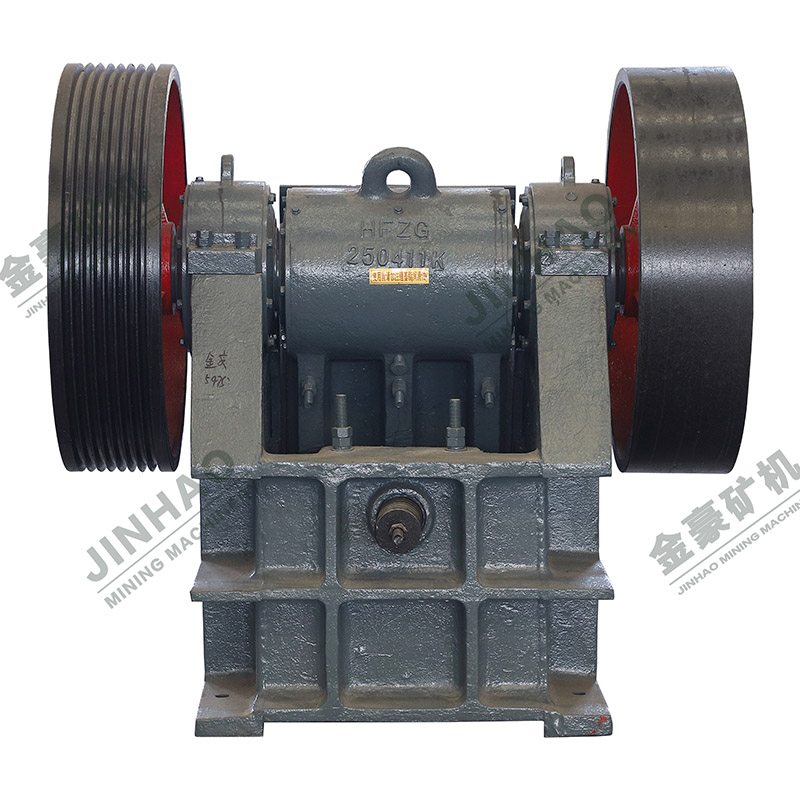
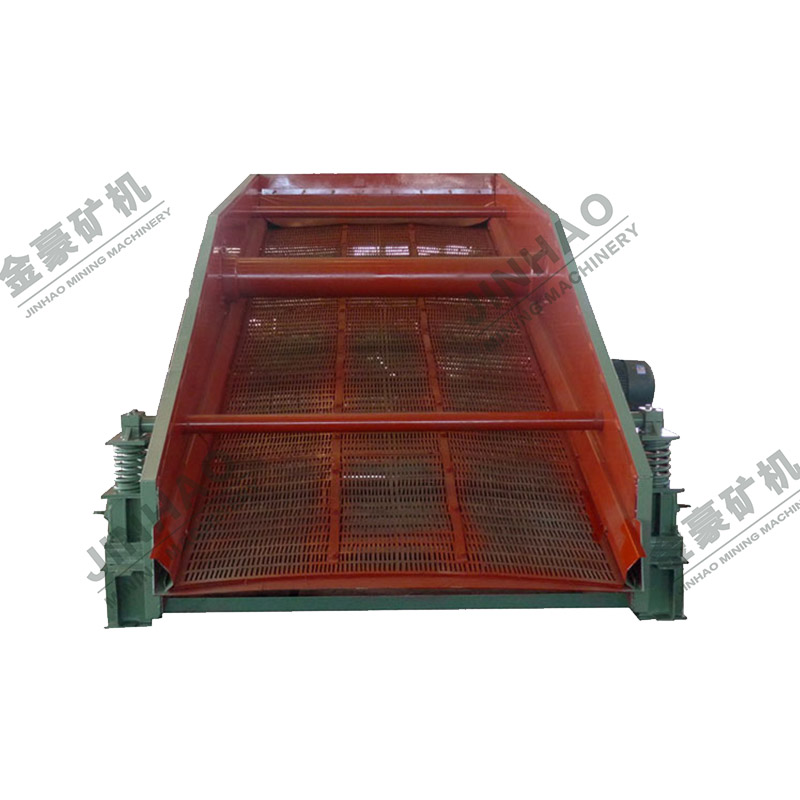
Multi-stage Crushing: Raw ore is fed from the raw ore bin to the primary crusher for coarse crushing via an electromagnetic vibrating feeder, then sent to the vibrating screen classification via a belt conveyor , and then to the secondary crusher + cone crusher for fine crushing, ensuring the ore particle size meets grinding requirements.
02
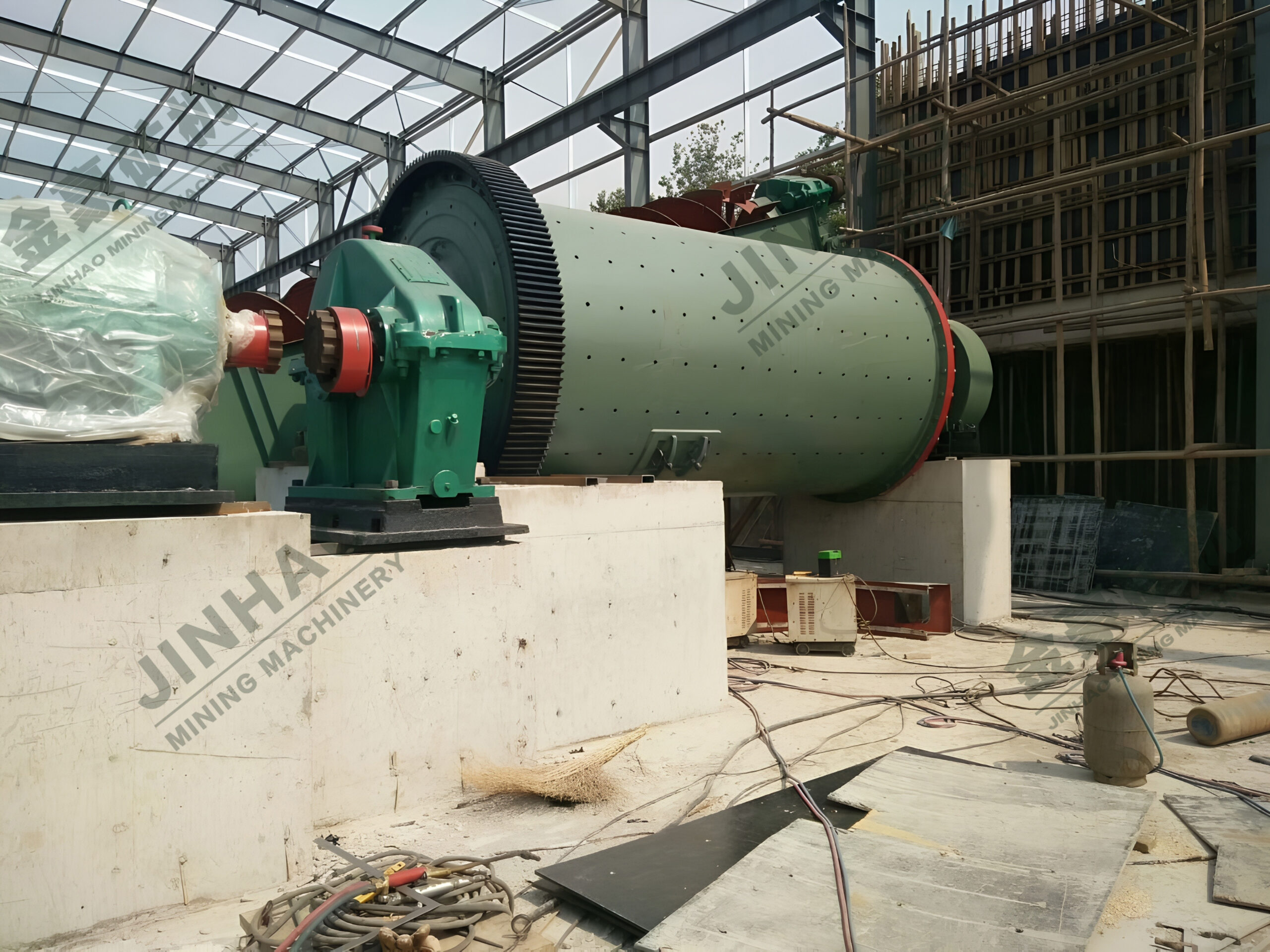
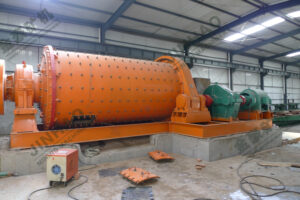
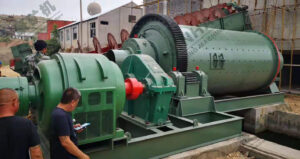
Grinding & Classification: Crushed ore is fed to the ball mill for fine grinding via a fine ore bin → electromagnetic vibrating feeder, and the spiral classifier completes pulp coarse-fine classification to fully liberate phosphate minerals from gangue.
03
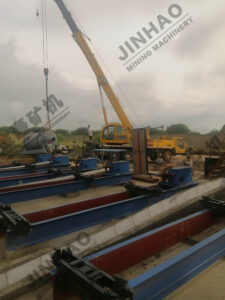
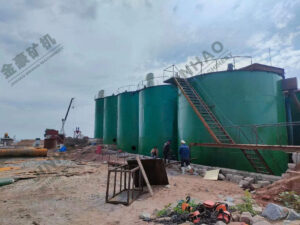
Flotation Enrichment: Classified pulp is conditioned in an agitation tank → undergoes roughing and beneficiation via multi-stage flotation machines to separate phosphate minerals from gangue, obtaining phosphate concentrate.
04
Finished Product Output: Phosphate concentrate product is obtained directly after flotation, and tailings are discharged up to standard.
Process Flow Diagram
The phosphate mineral recovery rate is stably 80%-88%, and the P₂O₅ content of phosphate concentrate can be increased to 30%-38%, meeting the grade requirements of phosphate chemical raw materials.
The flotation process is optimized for different gangue types (dolomite, quartz), and gangue impurity content can be controlled below 5%.
Fewer core links, strong equipment linkage, and the daily processing capacity of a single production line can reach thousands of tons, suiting large-scale production.
Compatible with phosphate ores of different gangue types and dissemination particle sizes, suiting production scales from small-to-medium mines to large phosphate chemical raw material plants.
Core flotation and grinding equipment has stable technology, few wearing parts, low operation cost and strong production continuity.
Related Products
Product Features This product is used in the carbon slurry...
Product Features The desorption electrolysis unit is key equipment in...
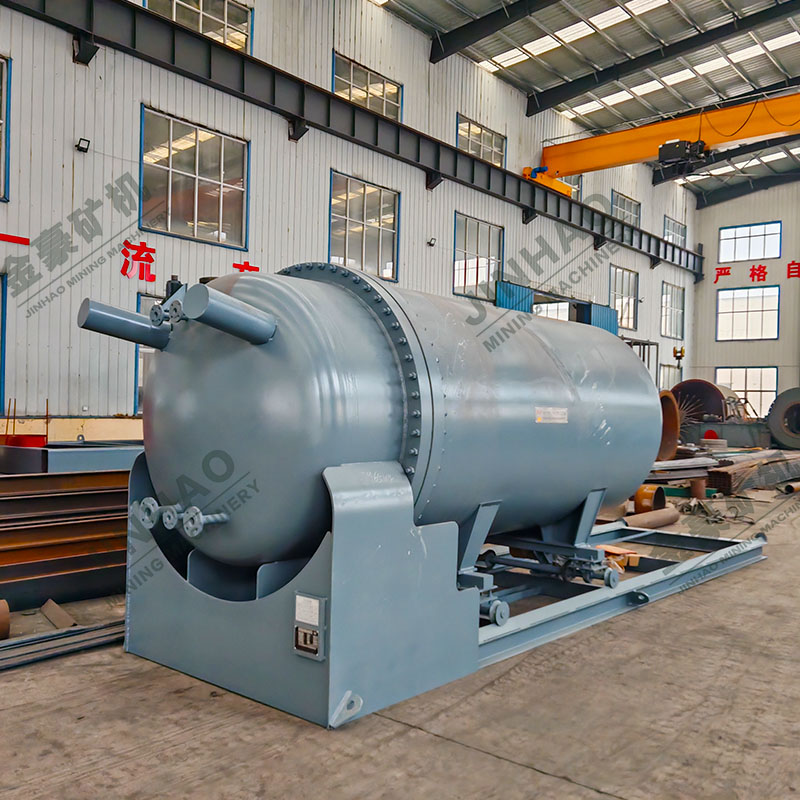
Product Features - The complete set of desorption-electrolysis system equipment...
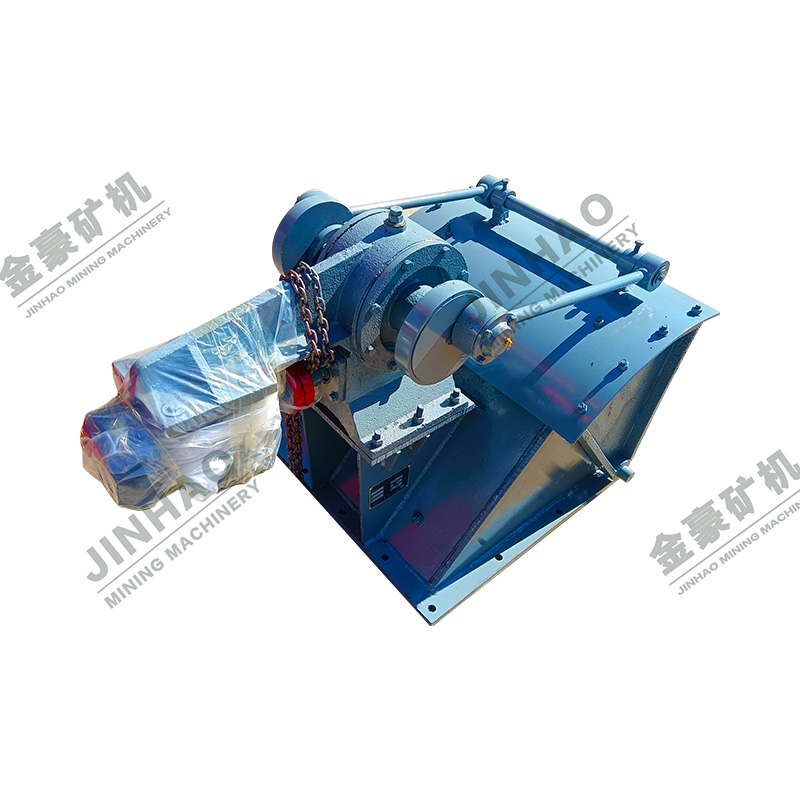
Product Features The oscillating feeder is suitable for the mining,...
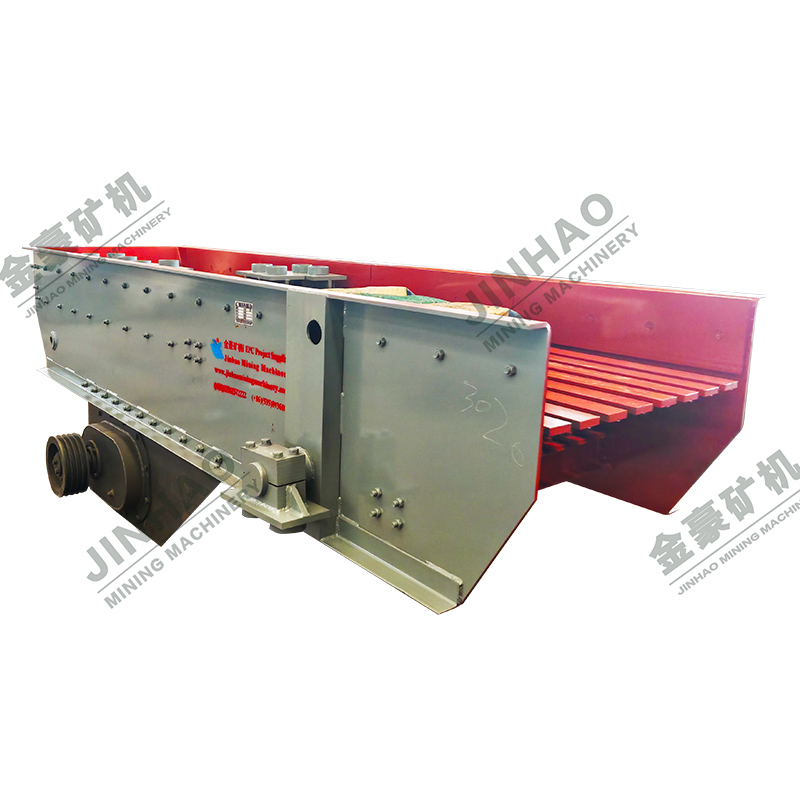
Product Features The ZSW‑series vibrating feeder is mainly used to...
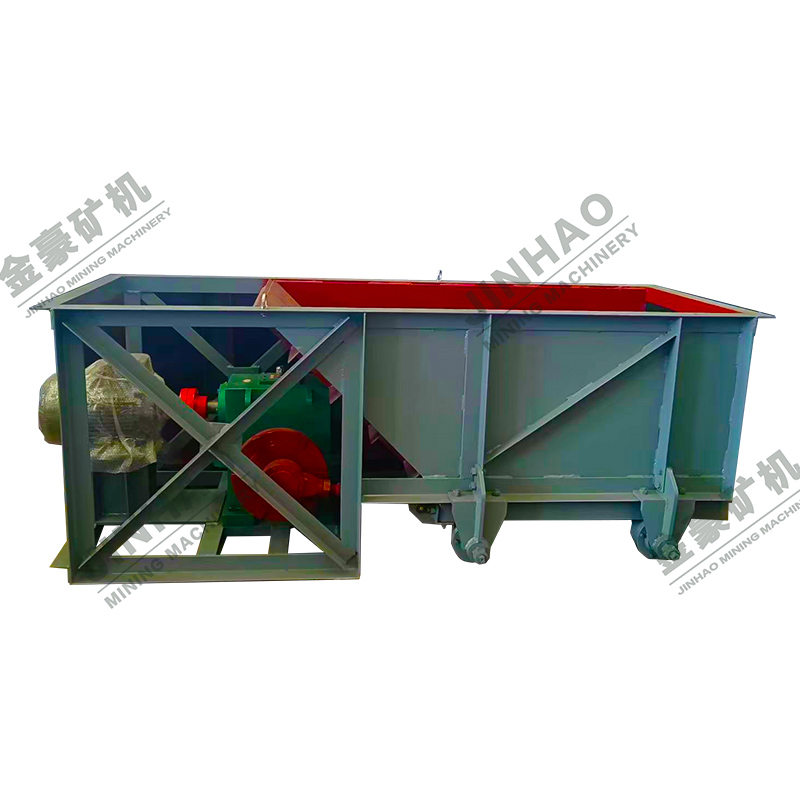
Product Features The trough feeder is generally suspended at the...
Product Features The GZ series electromagnetic vibrating feeder is used...
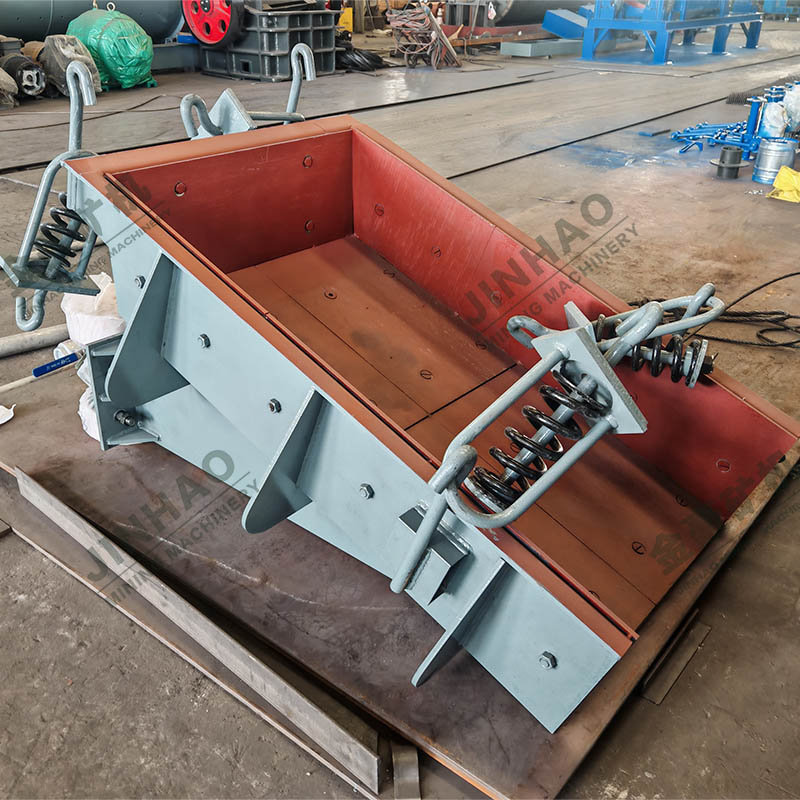
Product Features The DZ Series Motor Vibrating Feeder is a...
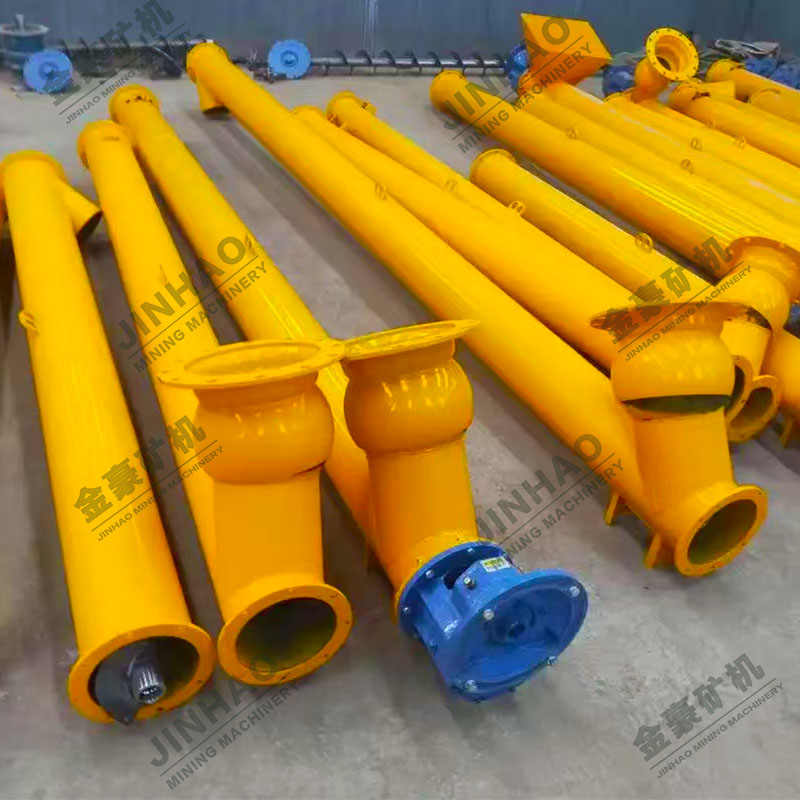
Product Features The spiral feeder is mainly used for continuous...
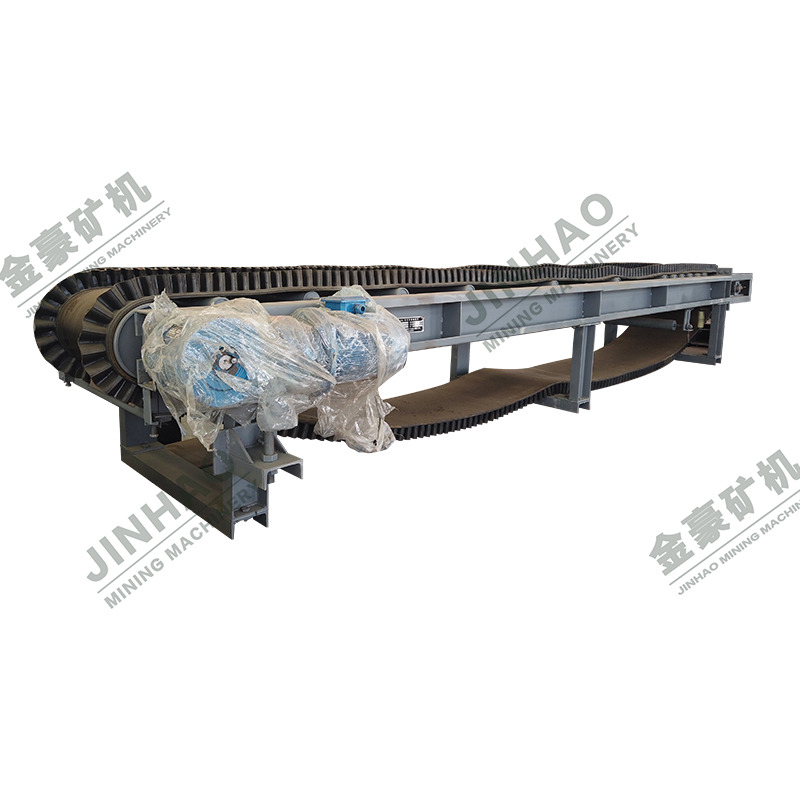
Product Features The belt feeder is a relatively short-length belt...