
Introduction
Introduction
The nickel ore beneficiation process is an enrichment system centered on "multi-stage crushing-grinding-flotation-dewatering". Leveraging the floatability of sulfide nickel minerals (e.g., pentlandite), it achieves precise separation of nickel minerals from gangue via a combined process of grinding liberation + multi-stage flotation. It features high enrichment efficiency, stable nickel recovery rate, and controllable product purity, capable of producing high-grade nickel concentrate, suiting large-scale production of various sulfide nickel ores and raw material demands of new energy and stainless steel industry chains.
Application
🟡Sulfide nickel ore: Sulfide-type nickel ore with pentlandite and violarite as core minerals (main raw material for stainless steel and new energy industries) 🟡Low-grade nickel ore: Low-grade resources with 0.3%-1.5% Ni content that require flotation enrichment 🟡Fine-grained disseminated nickel ore: Ore with fine-disseminated nickel minerals (0.01-0.1mm) that requires fine grinding for liberation 🟡Polymetallic associated nickel ore: Nickel ore associated with metals such as copper, iron, and cobalt, supporting synergistic polymetallic recovery
Process Flow
01
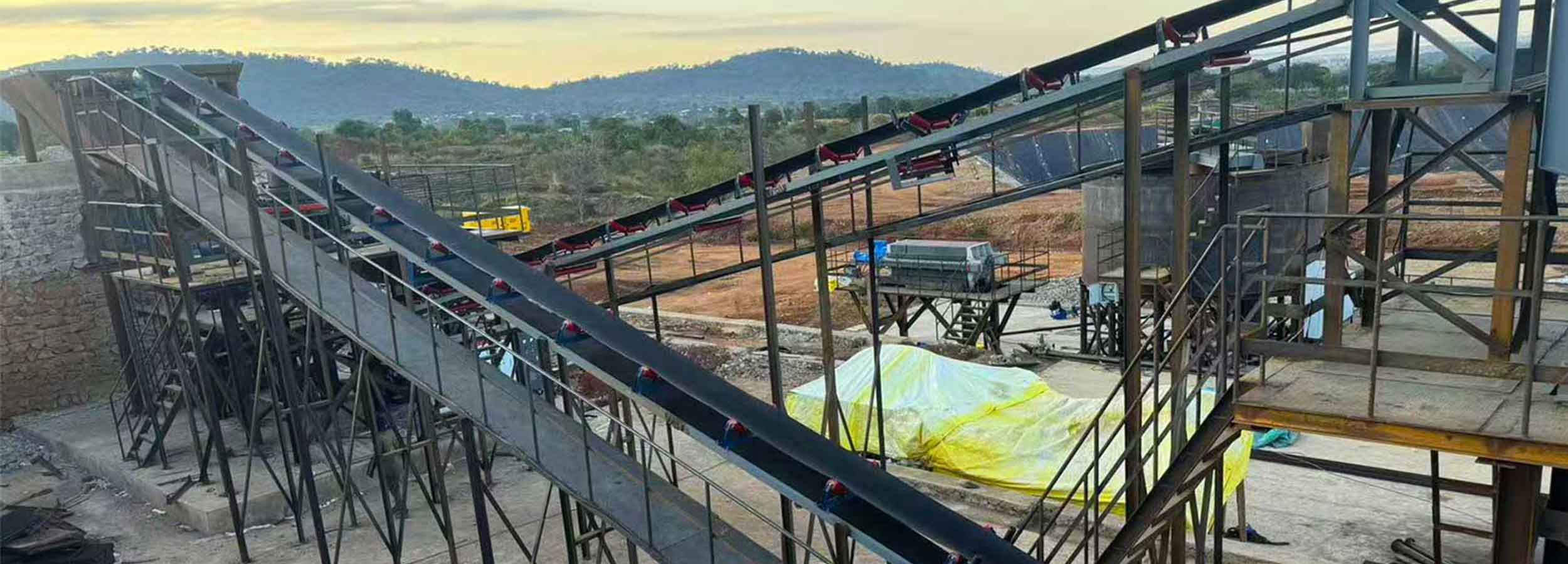
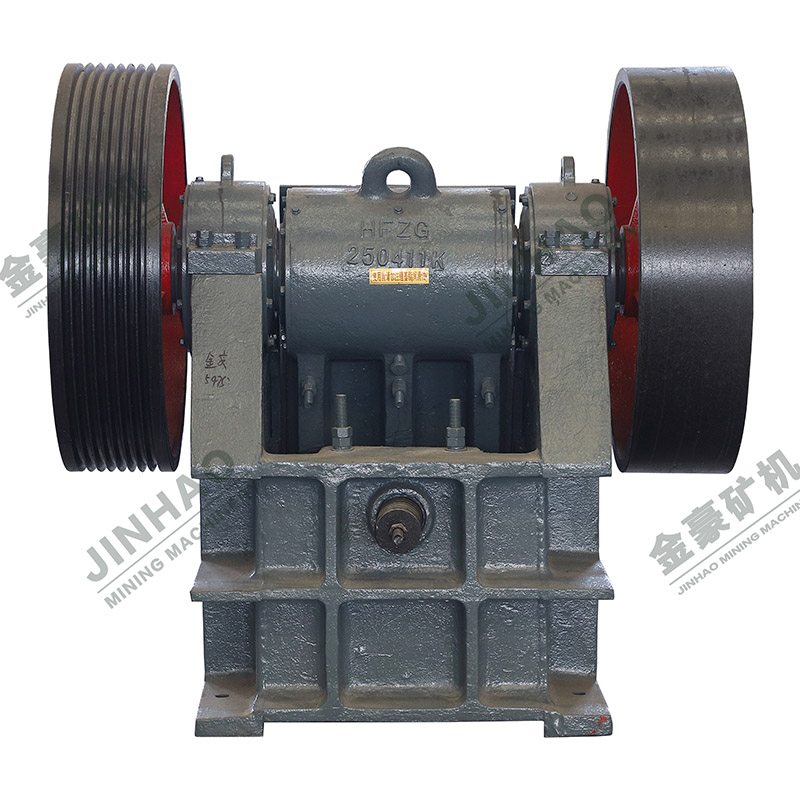
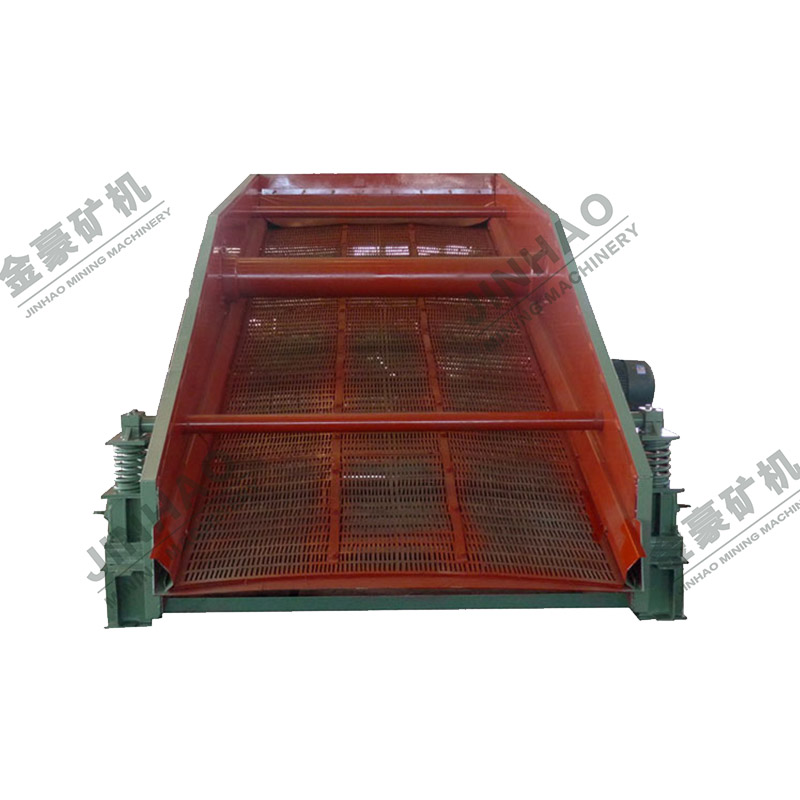
Multi-stage Crushing: Raw ore is fed from the raw ore bin to the primary crusher for coarse crushing via a pendulum feeder, then sent to the secondary crusher + cone crusher for fine crushing via a belt conveyor → vibrating screen classification, ensuring the ore particle size meets grinding requirements.
02
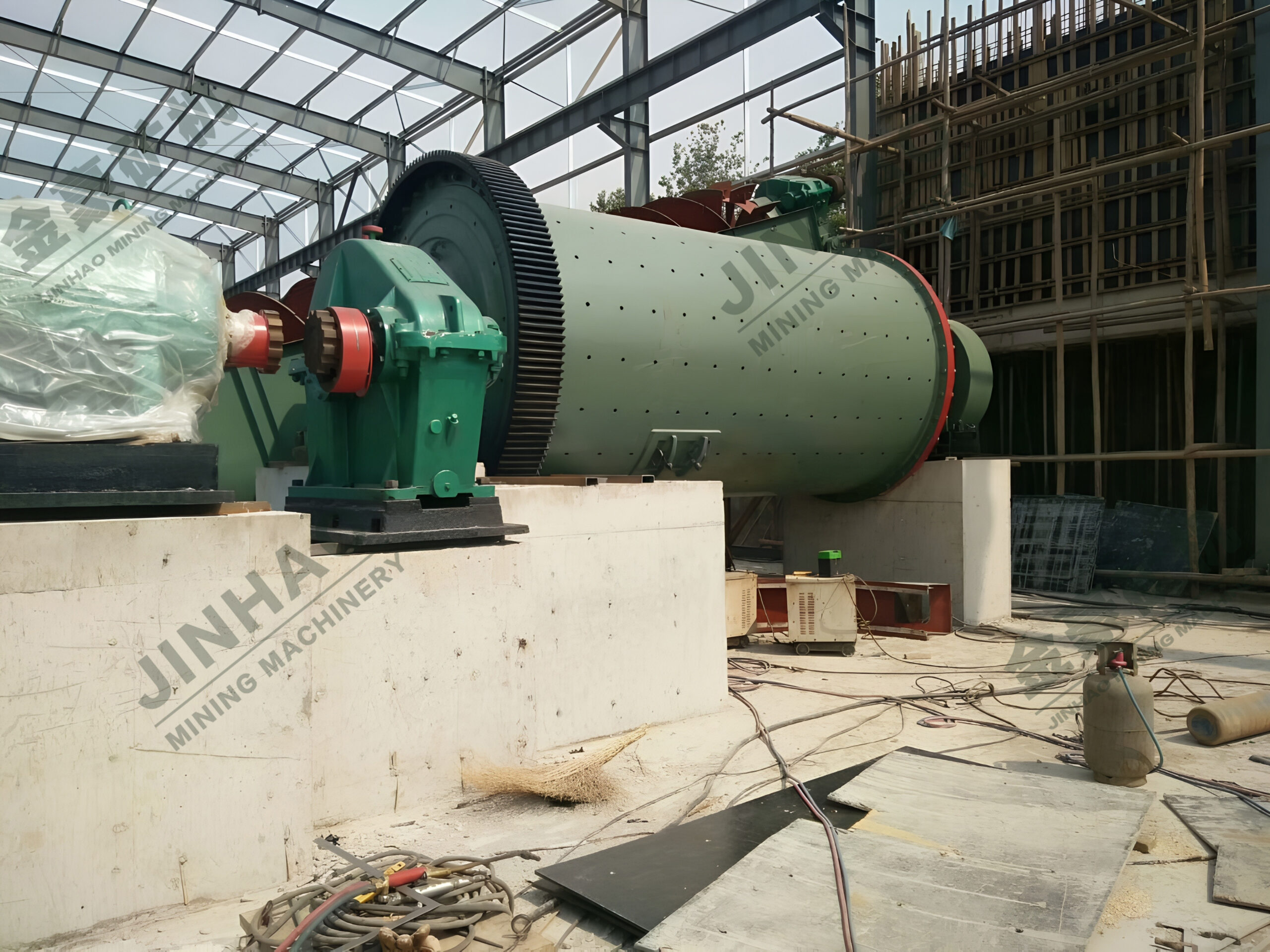
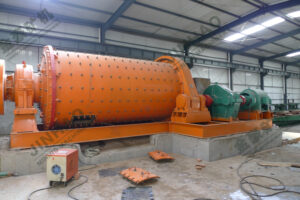
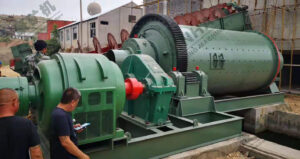
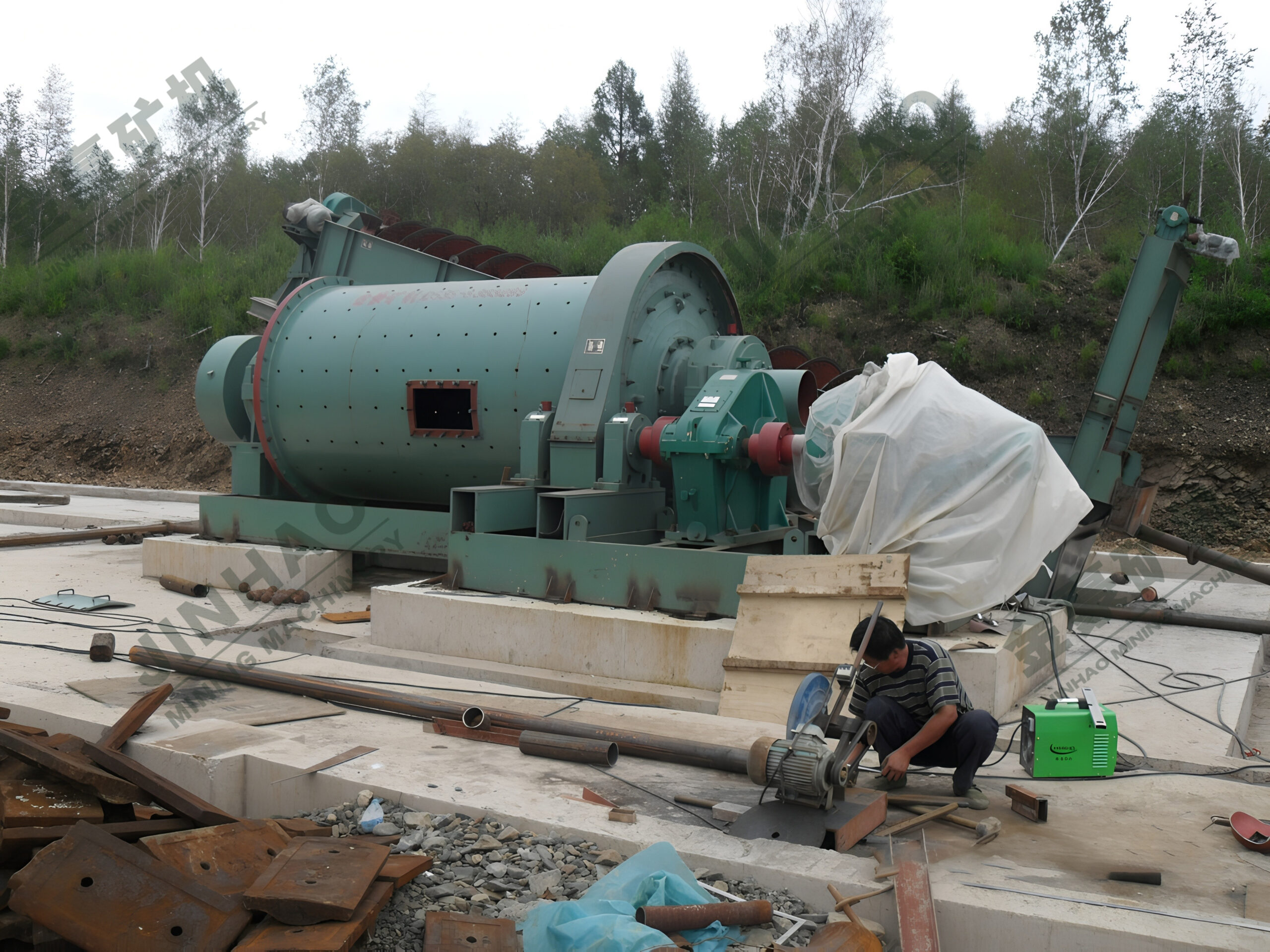
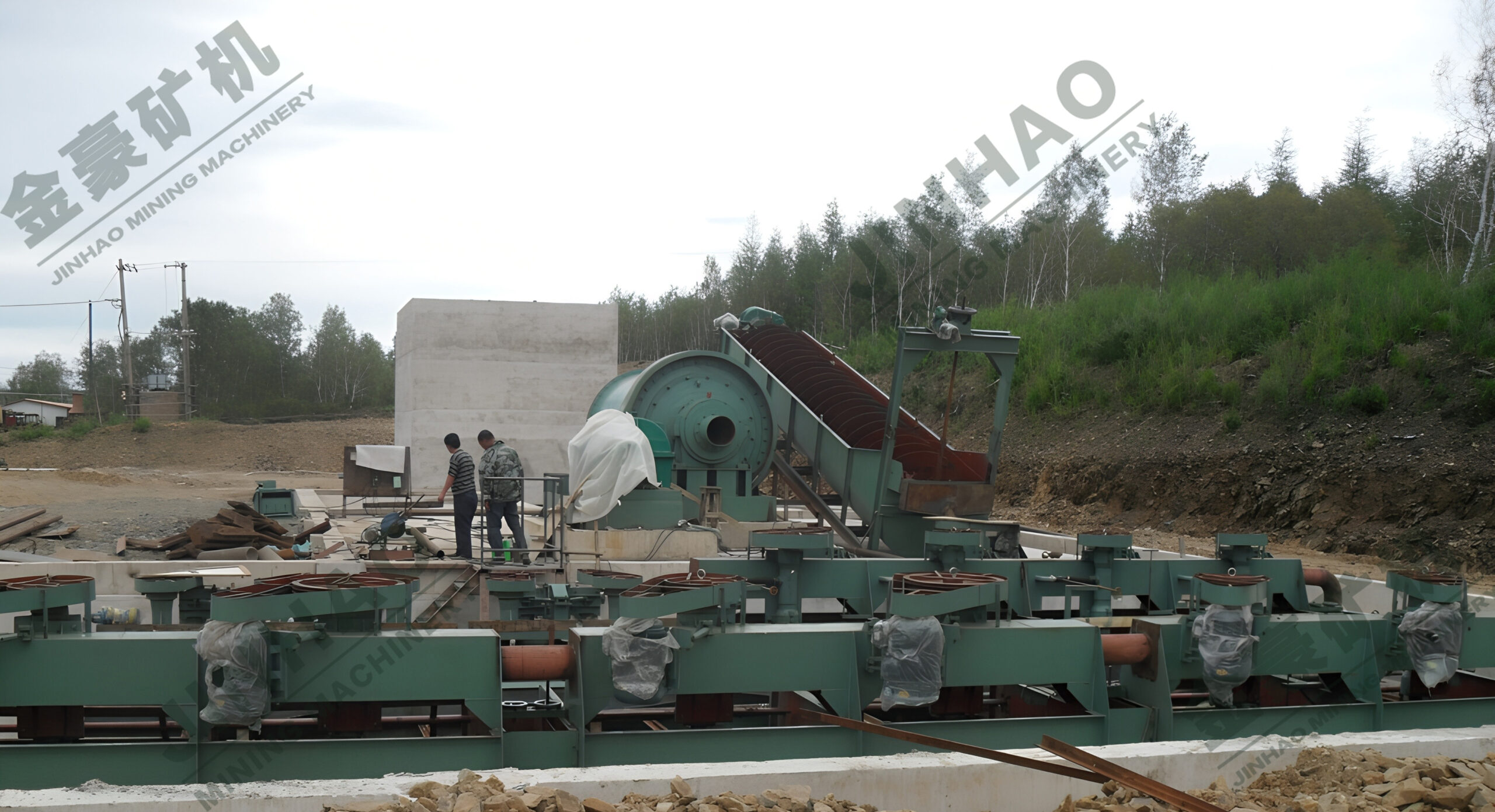
Grinding & Classification: Crushed ore is fed to the ball mill for fine grinding via a fine ore bin → electromagnetic vibrating feeder, and the classifier completes pulp coarse-fine classification to fully liberate nickel minerals from gangue.
03
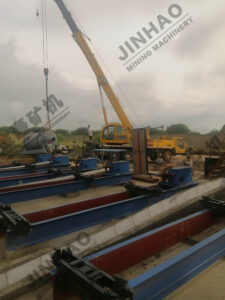
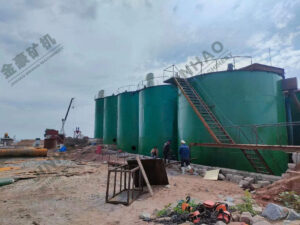
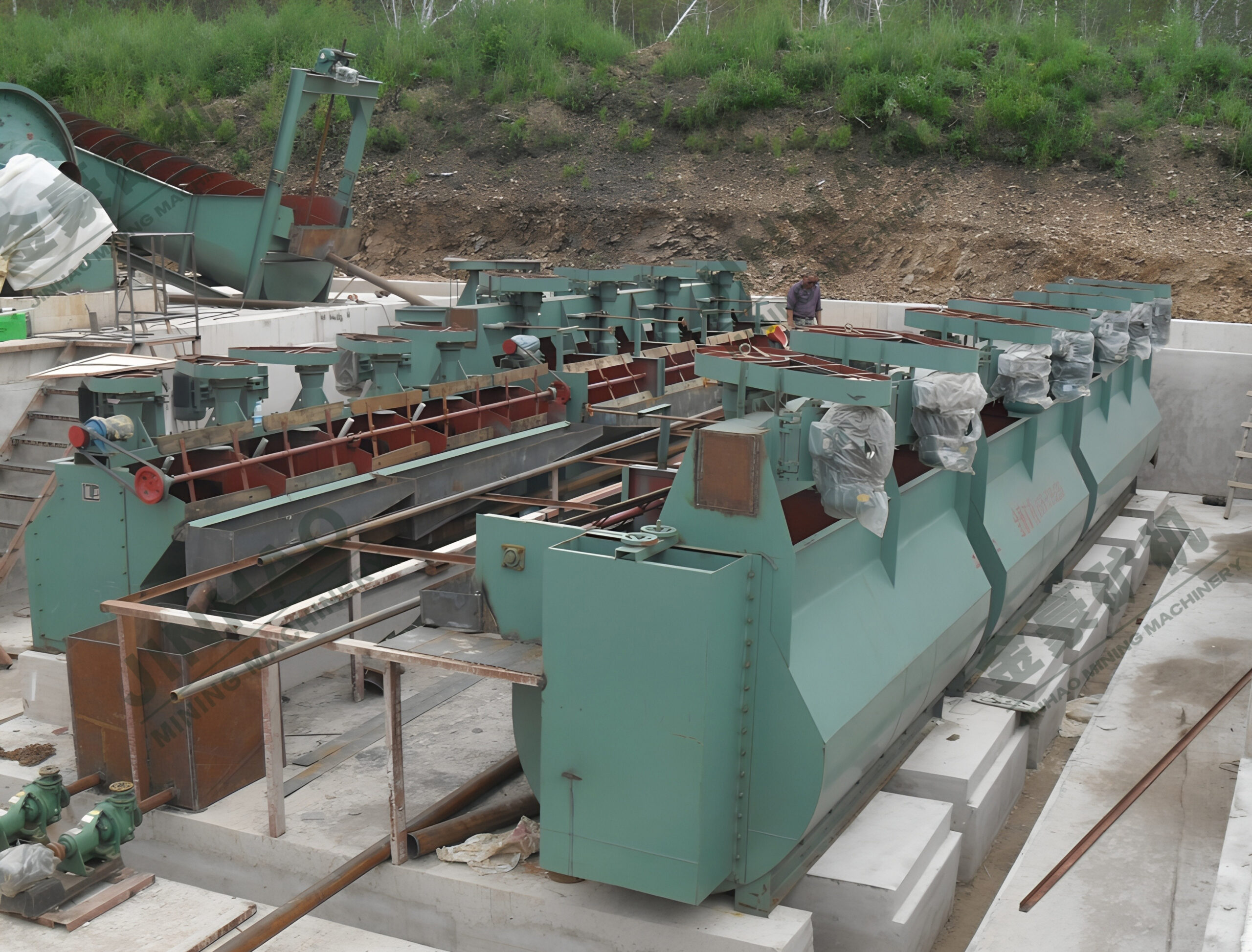
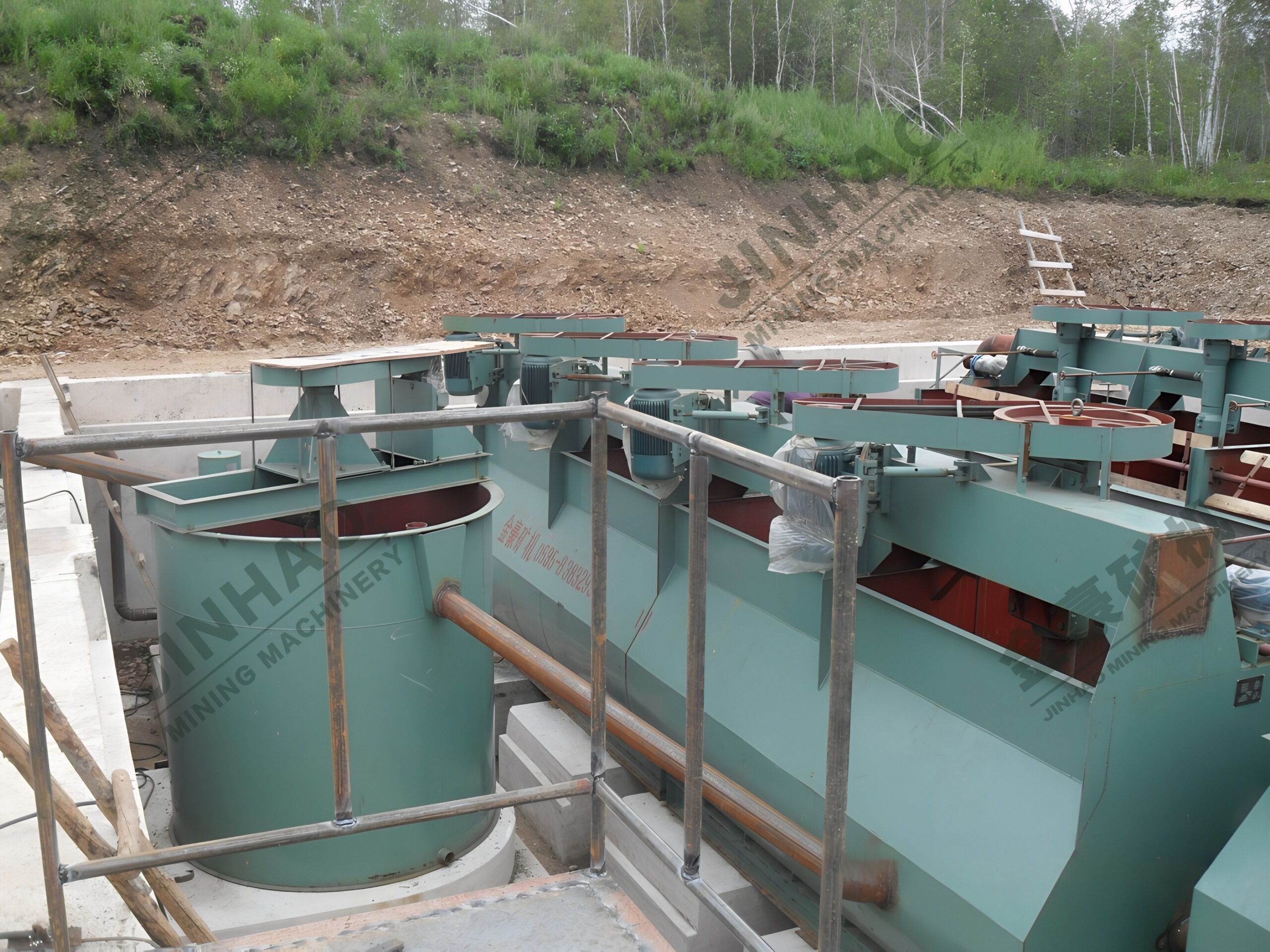
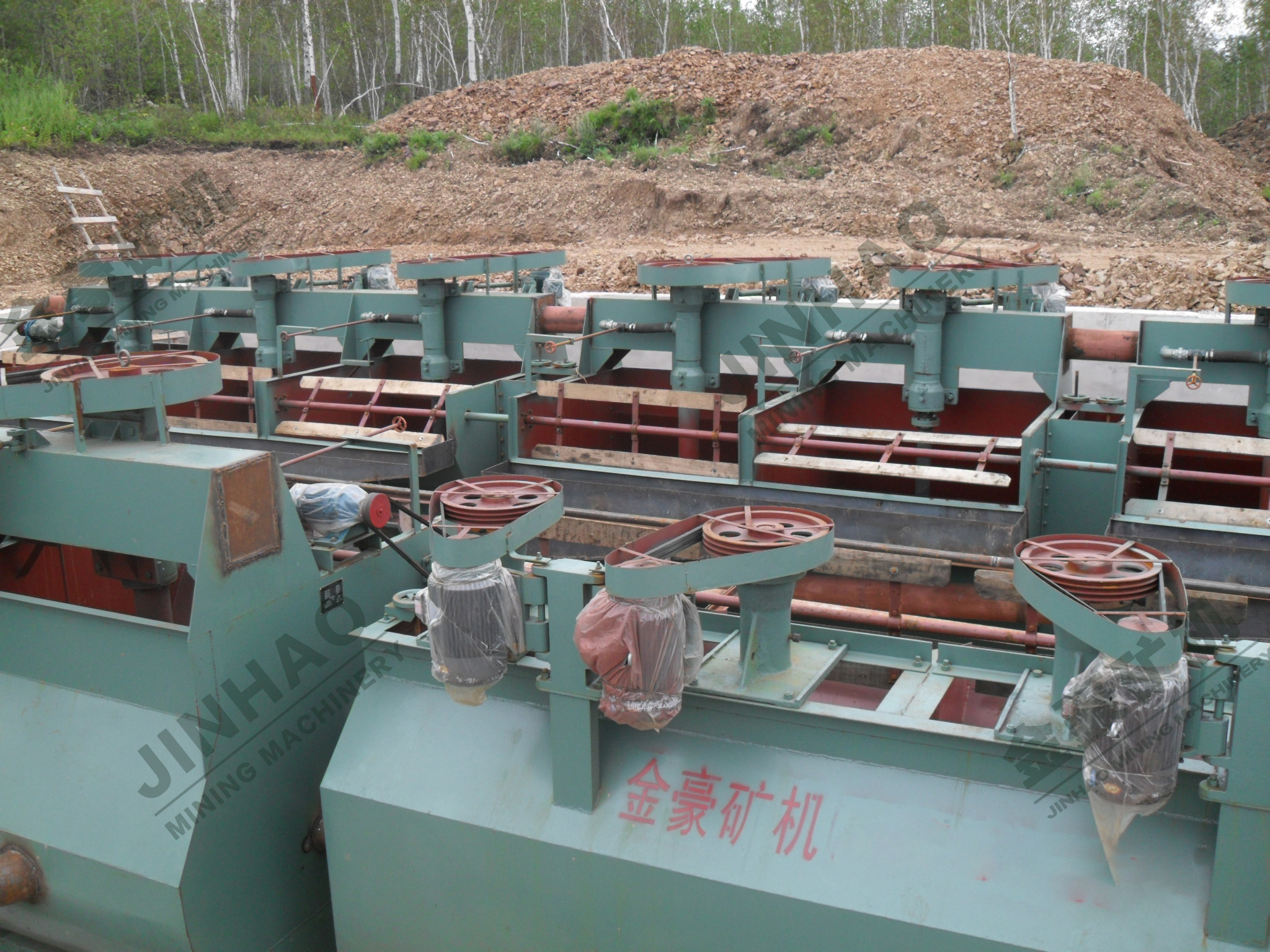
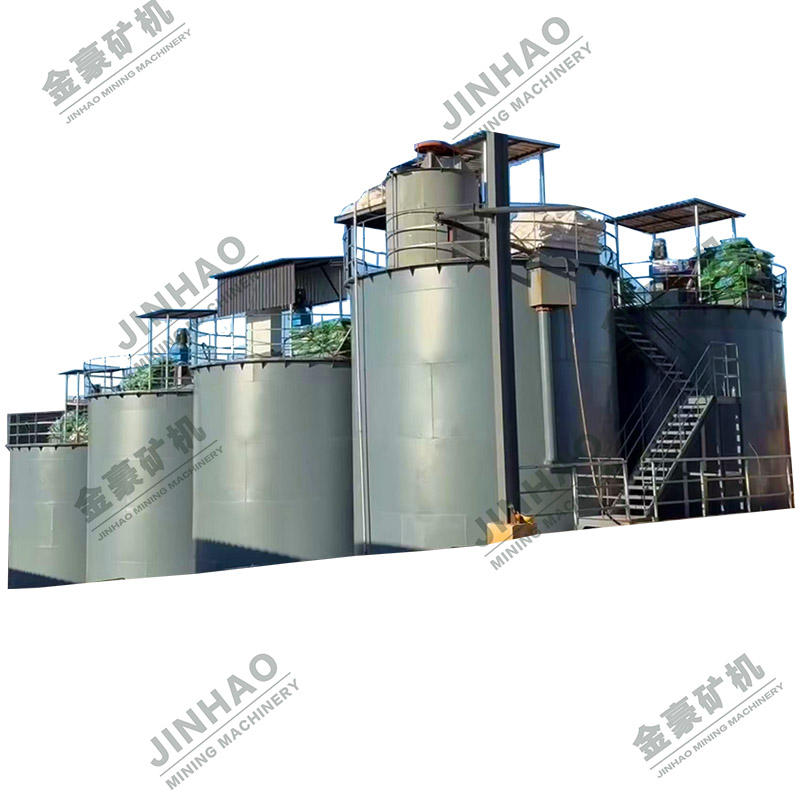
Flotation Enrichment: Classified pulp is conditioned in an agitation tank → undergoes roughing and beneficiation via multi-stage flotation machines to separate nickel minerals from gangue, obtaining nickel concentrate.
04
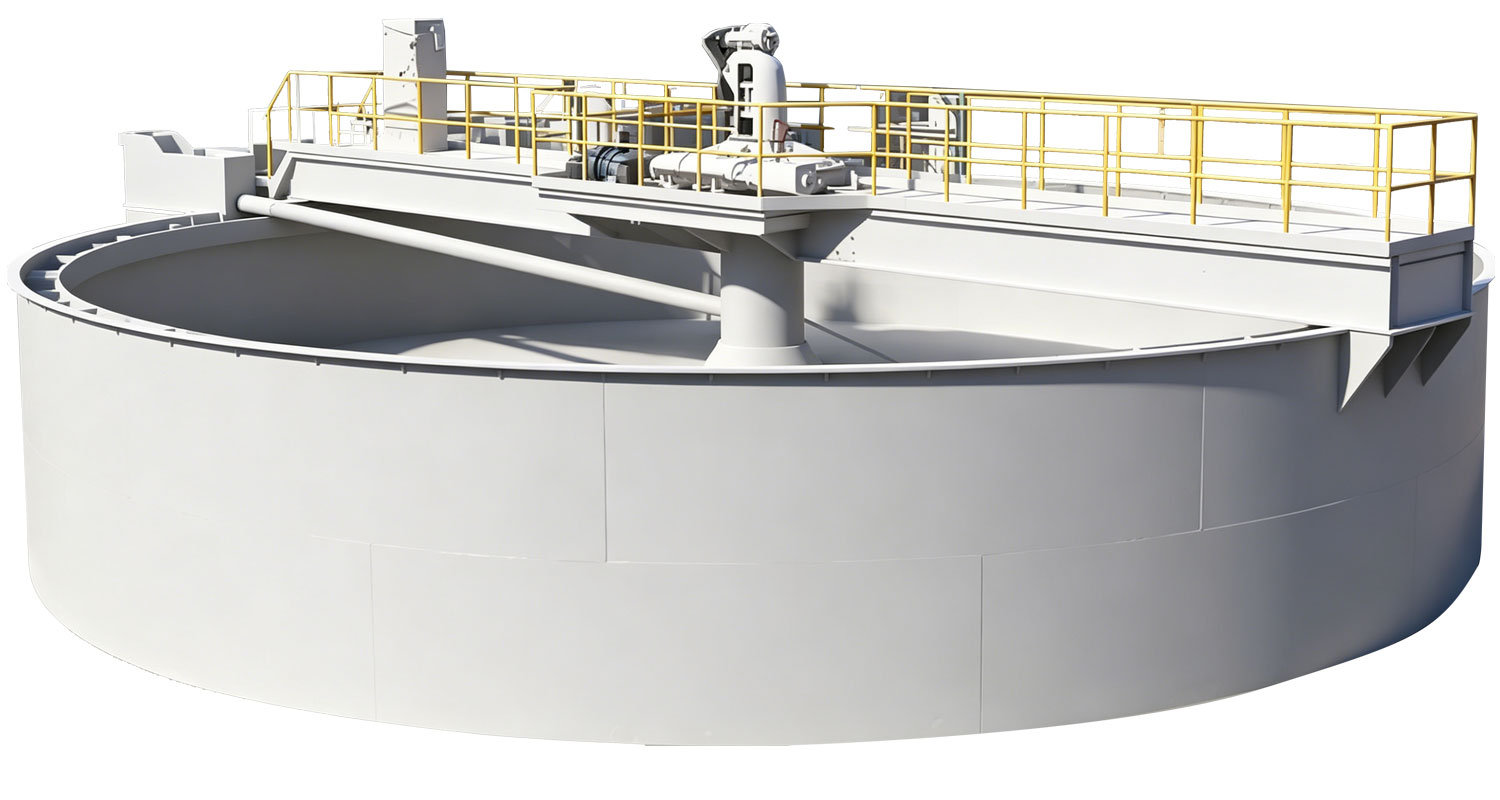
Dewatering & Finished Product: Flotation concentrate is dewatered via a thickener → plate-and-frame filter press to obtain high-grade nickel concentrate; tailings are discharged up to standard.
Process Flow Diagram
The nickel mineral recovery rate is stably 80%-90%, and the Ni content of nickel concentrate can be increased to 10%-20%, meeting the raw material grade requirements of new energy and stainless-steel industries.
Able to synchronously enrich associated valuable metals such as copper and cobalt, significantly increasing the comprehensive project profit.
Water recycling rate ≥85%, low flotation reagent consumption, meeting green mine production standards.
Compatible with various sulfide nickel ores (low-grade, fine-disseminated, associated, etc.), suiting production scales from small-to-medium mines to large nickel raw material processing plants.
Core flotation and grinding equipment has stable technology, easy wearing part replacement, and strong production continuity.
Related Products
Product Features This product is used in the carbon slurry...
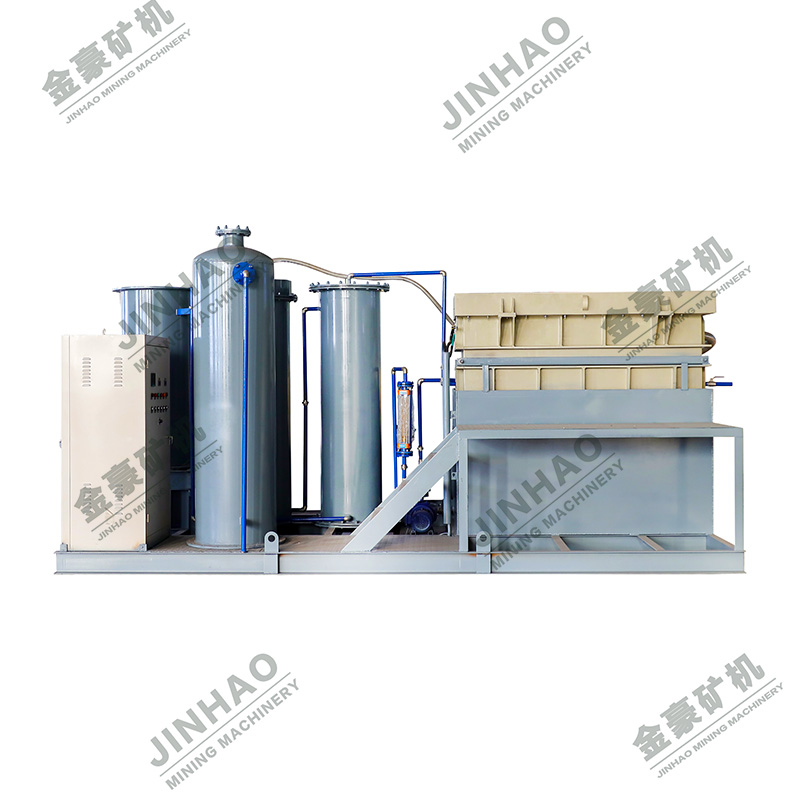
Product Features The desorption electrolysis unit is key equipment in...
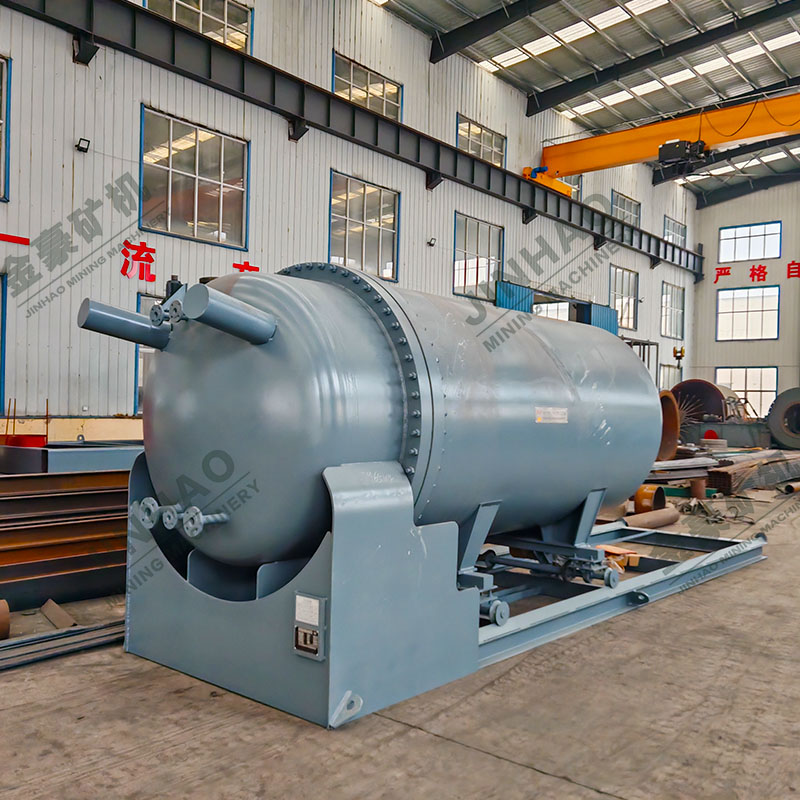
Product Features - The complete set of desorption-electrolysis system equipment...
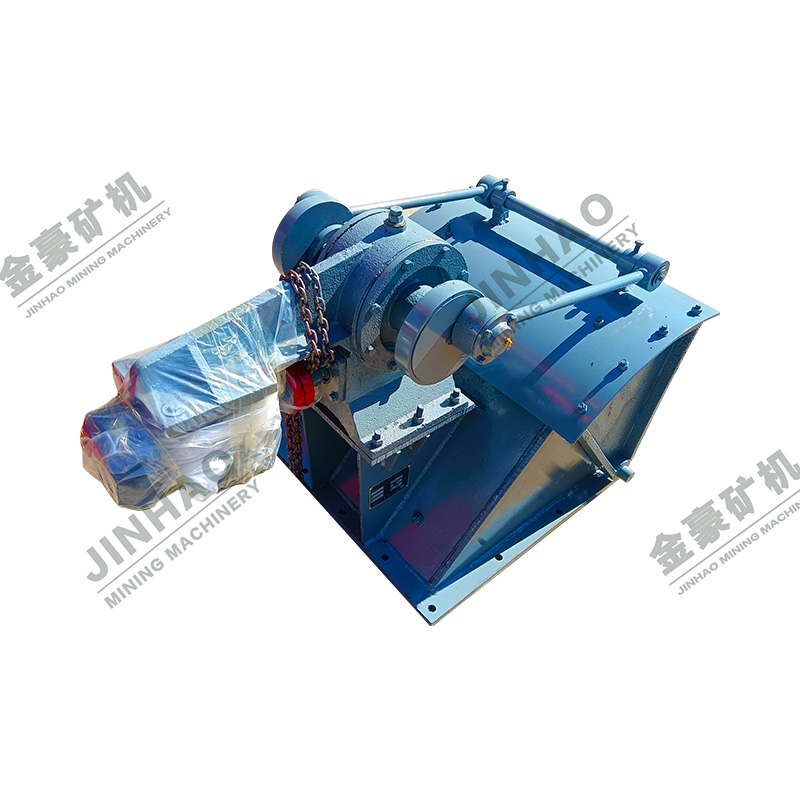
Product Features The oscillating feeder is suitable for the mining,...
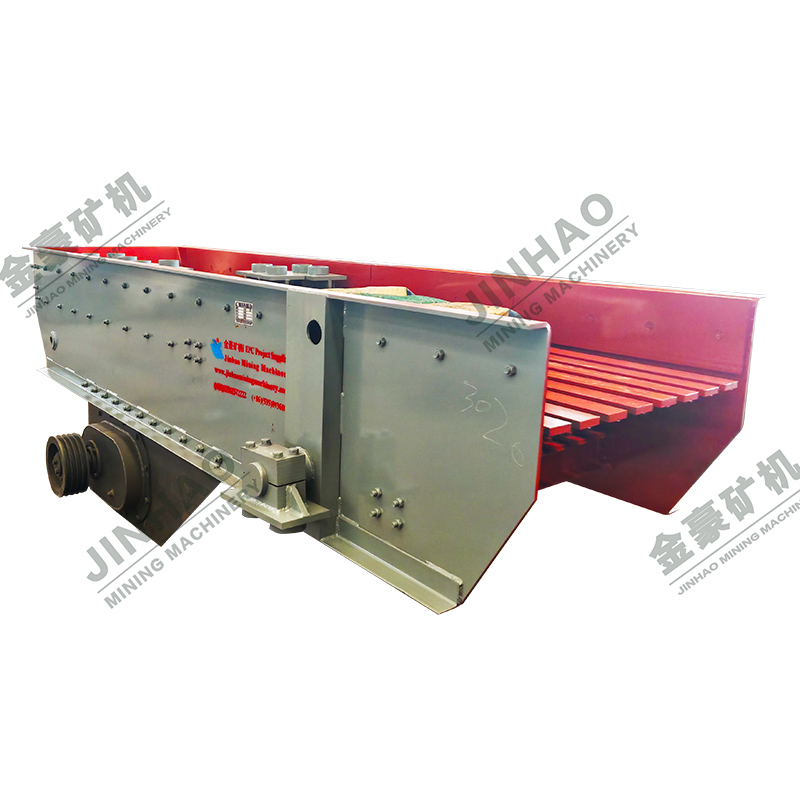
Product Features The ZSW‑series vibrating feeder is mainly used to...
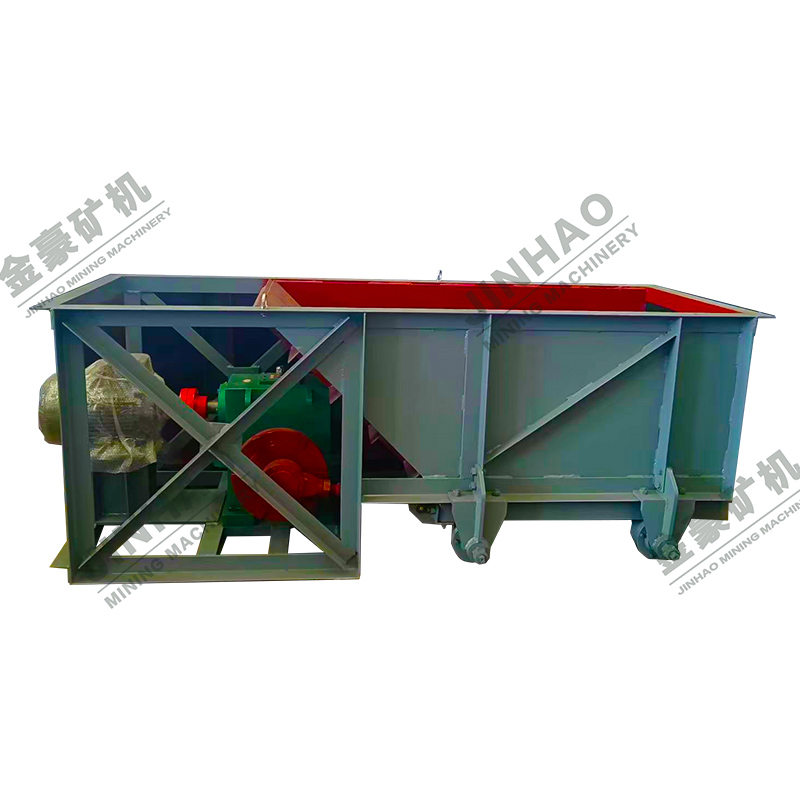
Product Features The trough feeder is generally suspended at the...
Product Features The GZ series electromagnetic vibrating feeder is used...
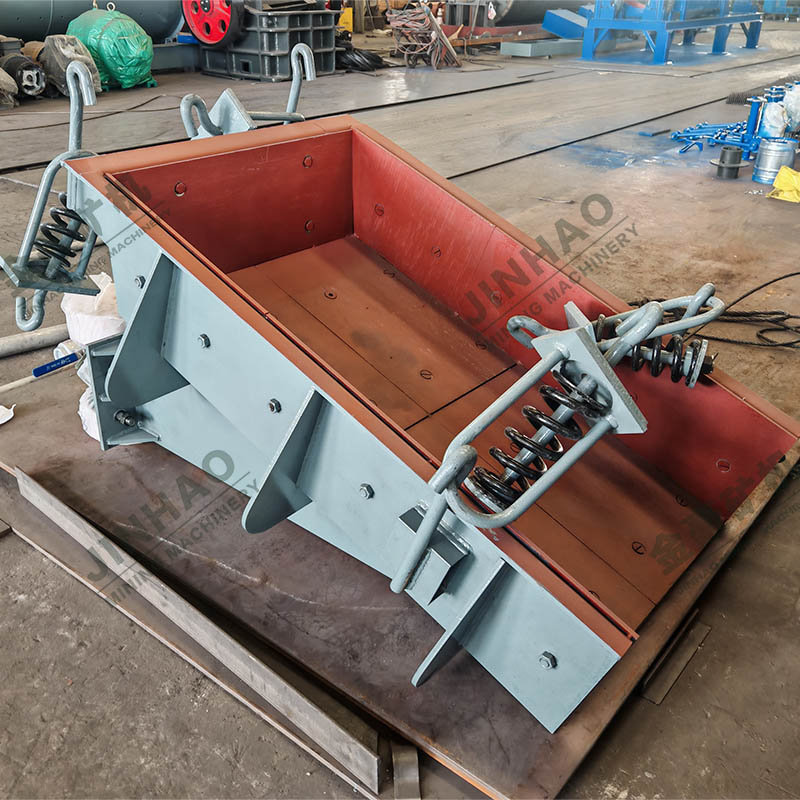
Product Features The DZ Series Motor Vibrating Feeder is a...
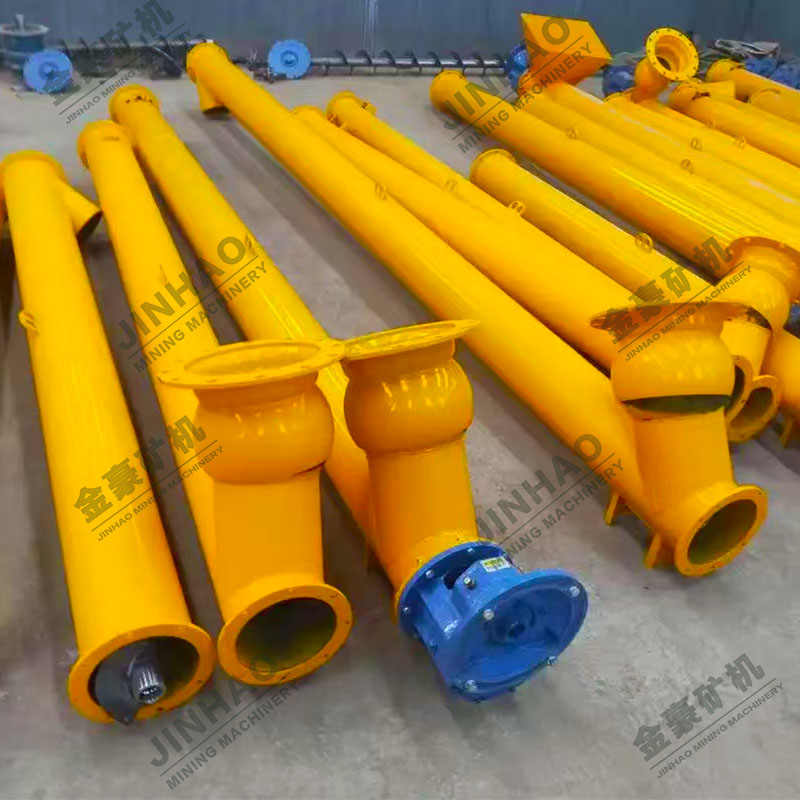
Product Features The spiral feeder is mainly used for continuous...
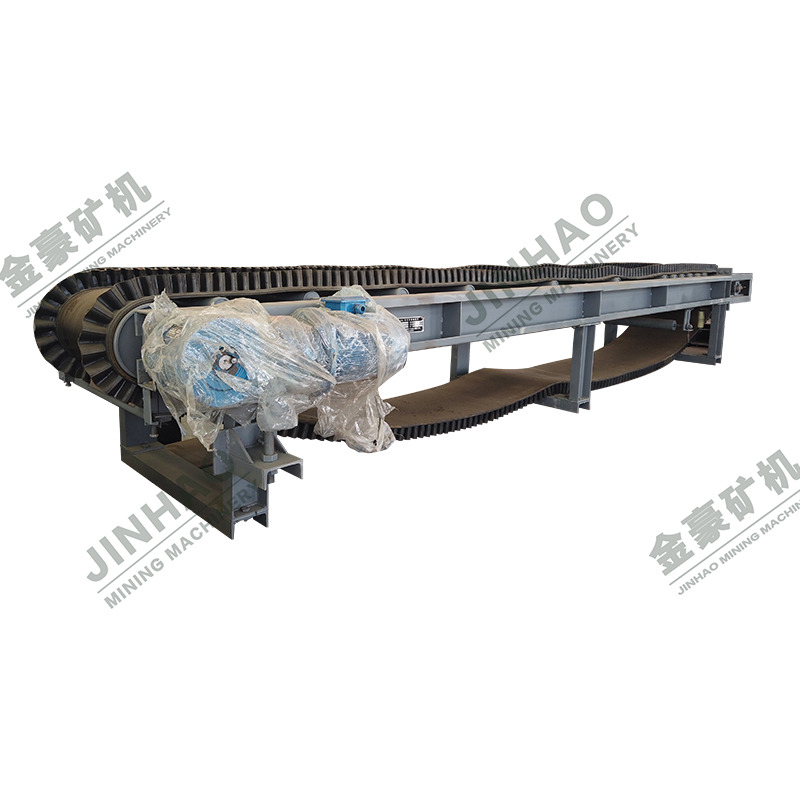
Product Features The belt feeder is a relatively short-length belt...