
Introduction
Introduction
The molybdenum ore beneficiation process is a mature full-flow system integrating crushing, grinding, flotation, and dewatering. It achieves efficient separation of molybdenite from gangue through reagent action, featuring high enrichment ratio, stable recovery rate, and strong adaptability. Widely used in the industrial production of various molybdenum ores, it suits both small-to-medium mines and large-scale concentrators.
Application
🟡Primary sulfide molybdenum ore: Ore where molybdenite is the main mineral and associated with sulfide minerals such as pyrite. 🟡Low-grade molybdenum ore: Molybdenum resources with low grade (0.05%-0.3%) that require enrichment via flotation. 🟡Associated molybdenum ore: Molybdenum ore associated with metals such as copper and tungsten, enabling simultaneous polymetallic recovery. 🟡Fine-grained disseminated molybdenum ore: Ore with fine molybdenite dissemination (0.01-0.1mm) requiring fine grinding for liberation.
Process Flow
01
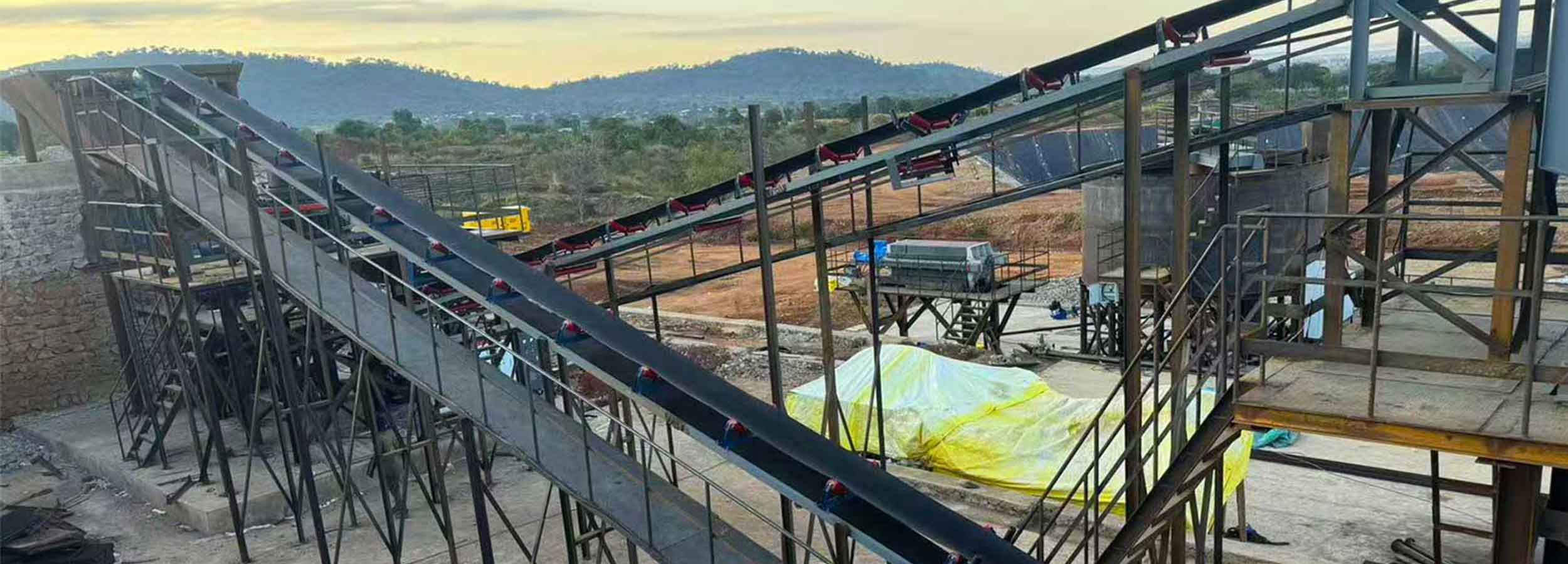
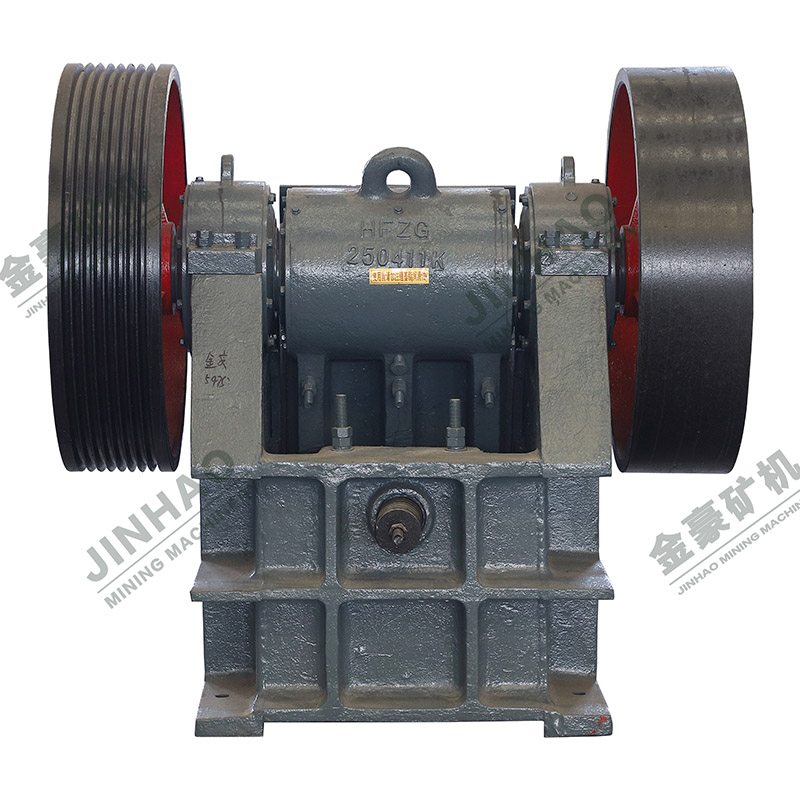
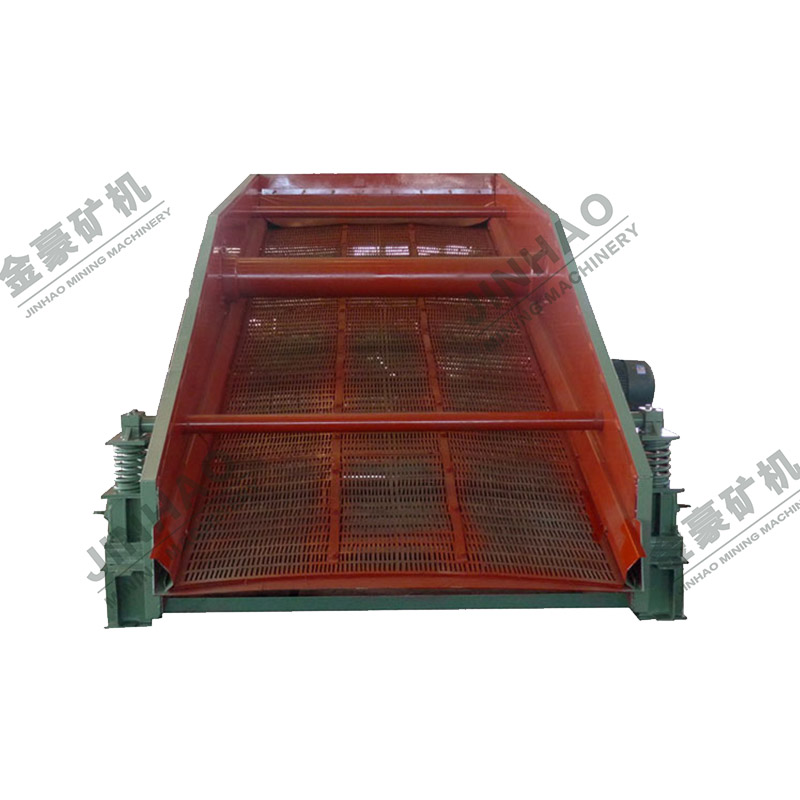
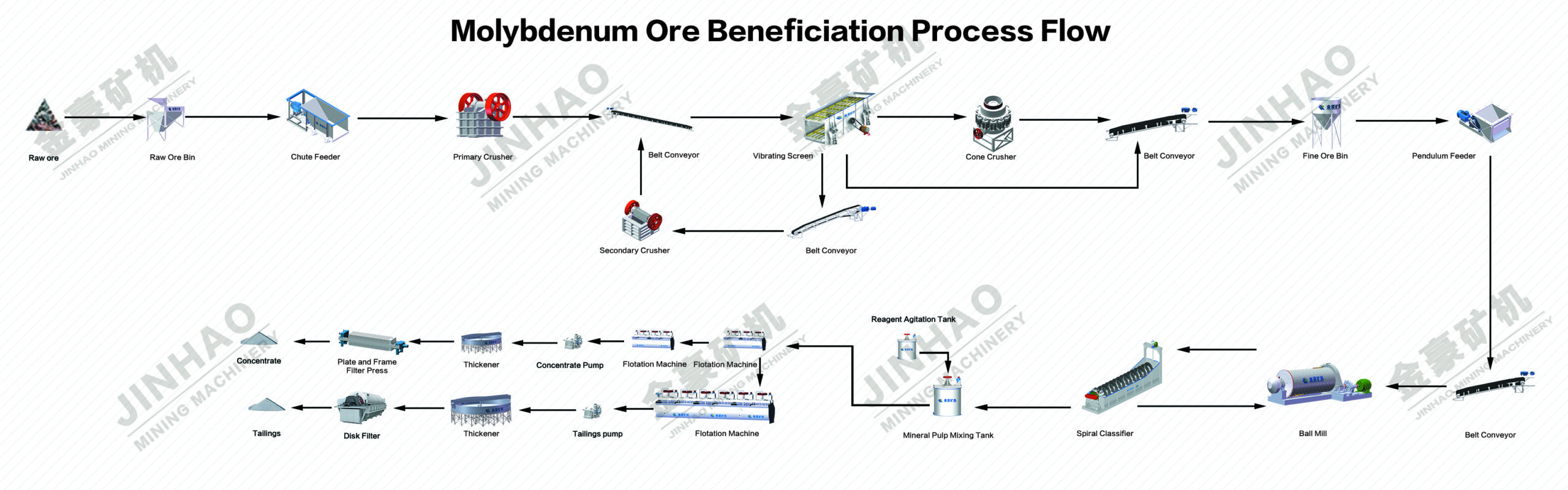
Crushing & Classification: Raw ore is fed via a chute feeder to a primary jaw crusher, then further crushed by a cone crusher (secondary crushing). A circular vibrating screen classifies the ore, with oversized material recycled for re-crushing to ensure uniform particle size.
02
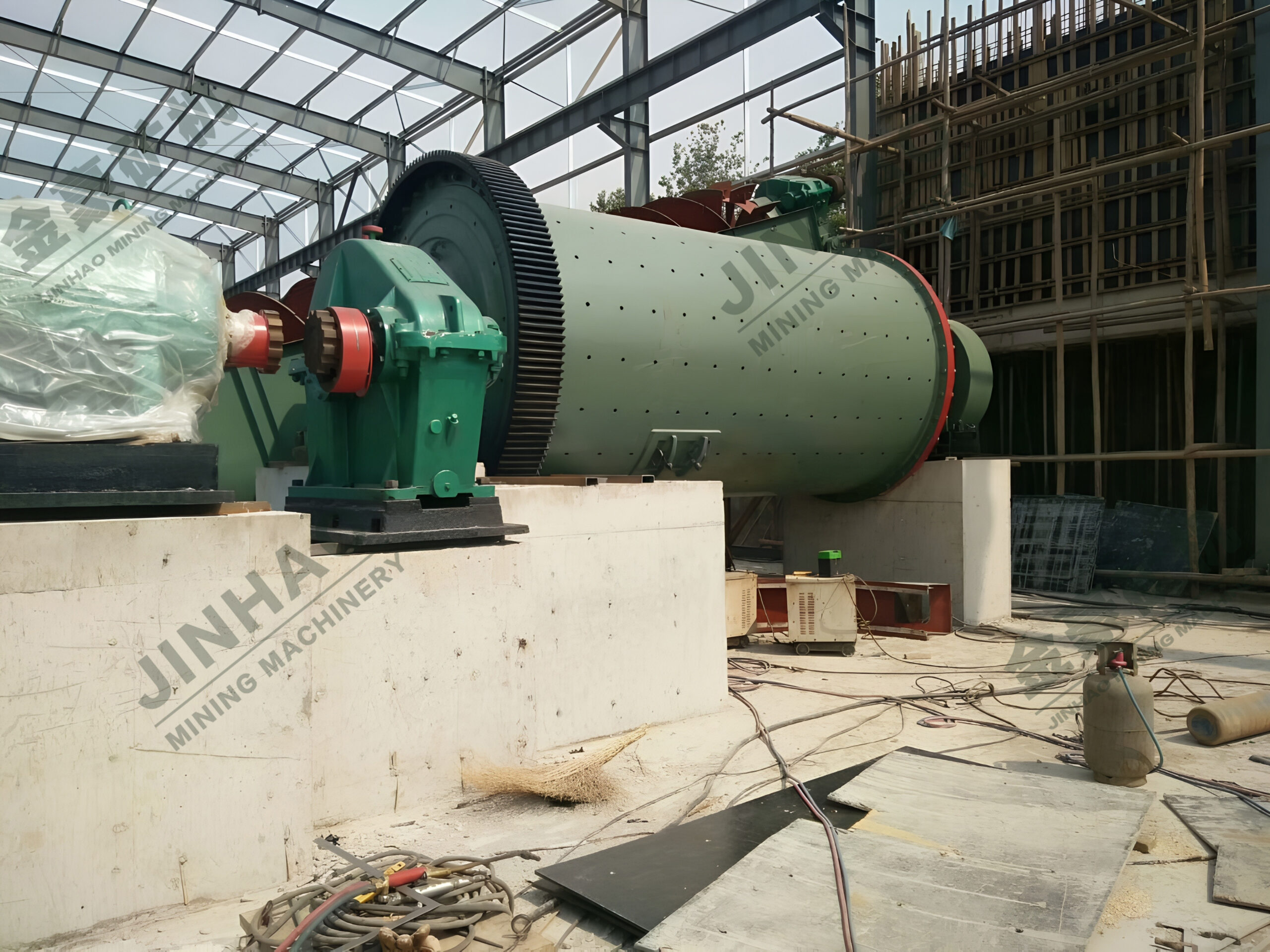
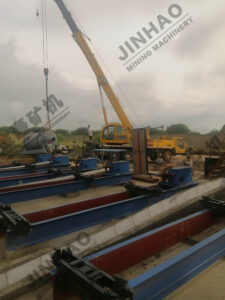
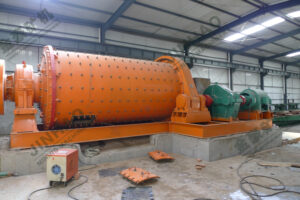
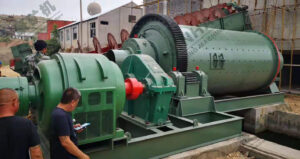
Grinding & Classification: Crushed ore is transferred to a fine ore bin via belt conveyor, then fed to a ball mill for grinding. A spiral classifier separates the pulp into coarse and fine fractions, with qualified pulp proceeding to flotation.
03
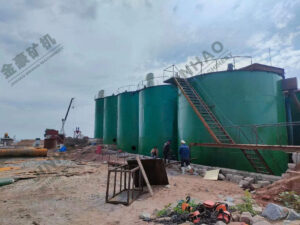
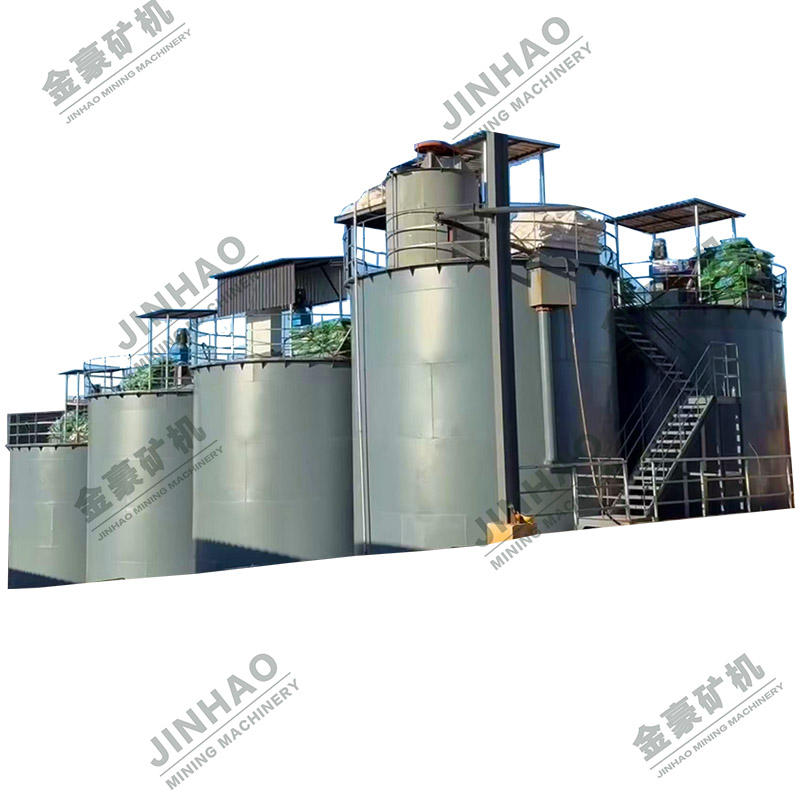
Pulp Conditioning: Ground pulp is sent to a pulp agitation tank, where collectors and frothers are added via a reagent agitation tank to hydrophobize the molybdenite surfaces in preparation for flotation separation.
04
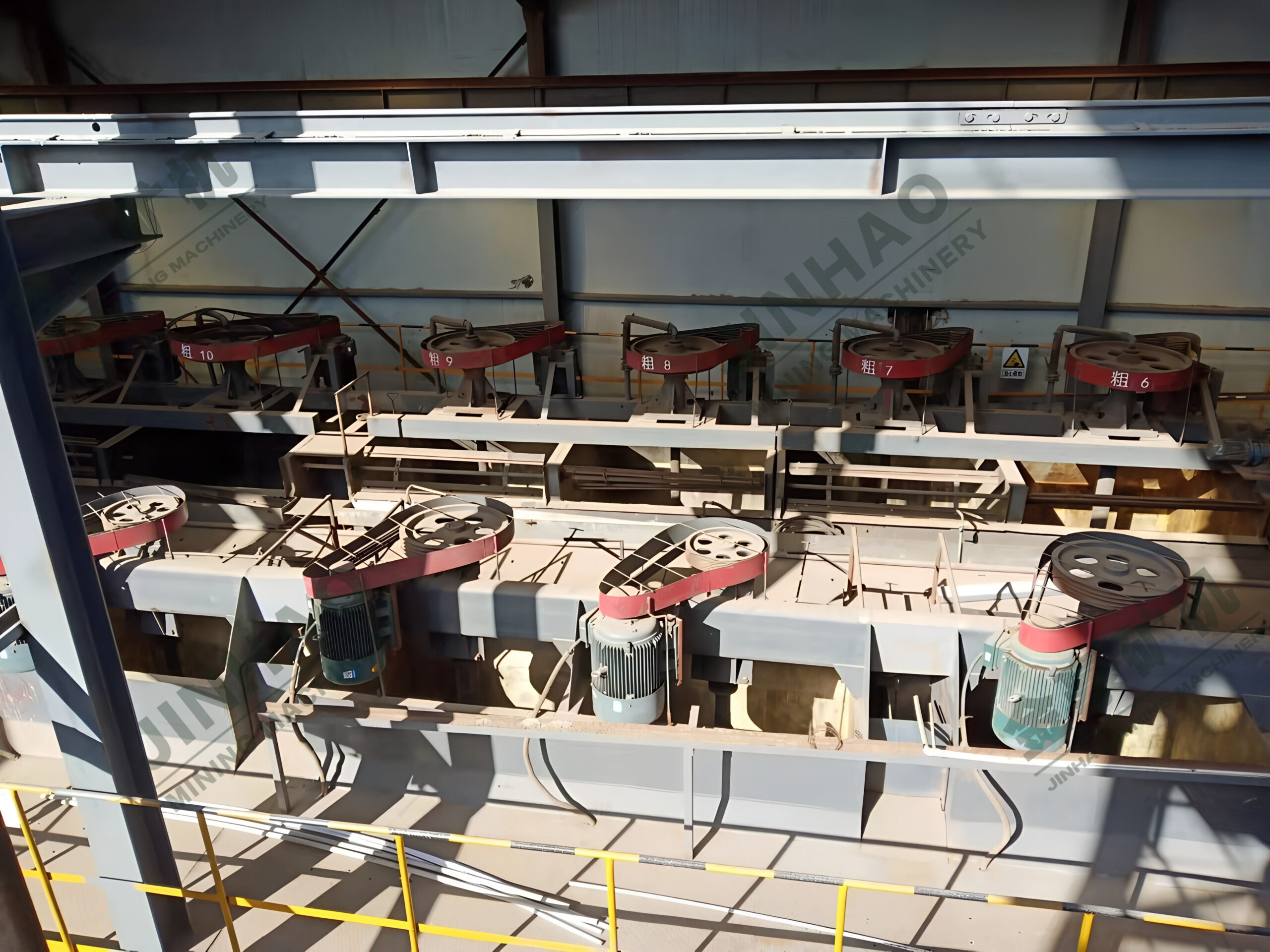
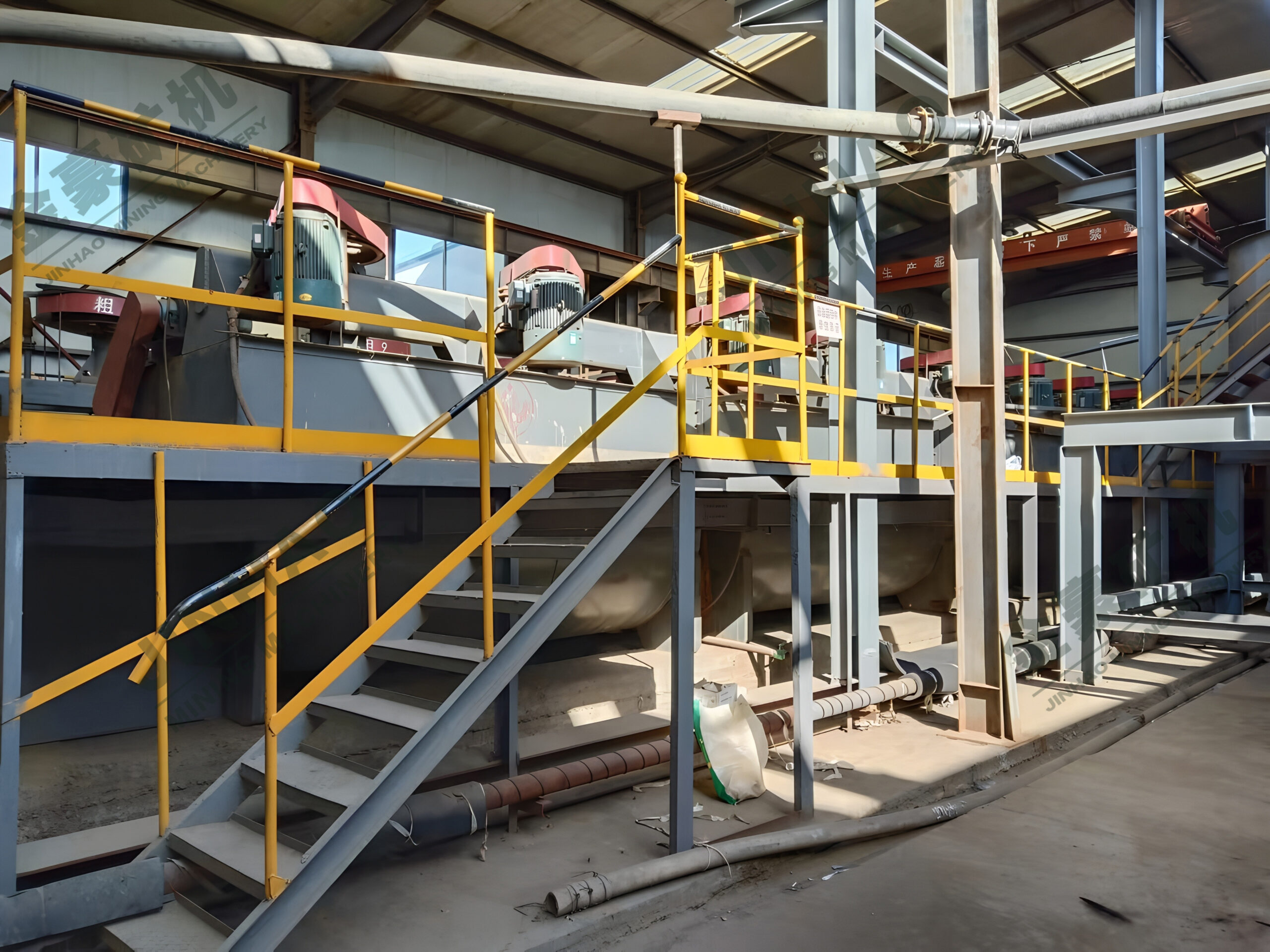
Flotation Separation: Conditioned pulp enters a multi-cell flotation machine. Aeration and agitation cause molybdenite to attach to bubbles and float, forming a concentrate foam; tailings proceed to dewatering.
05
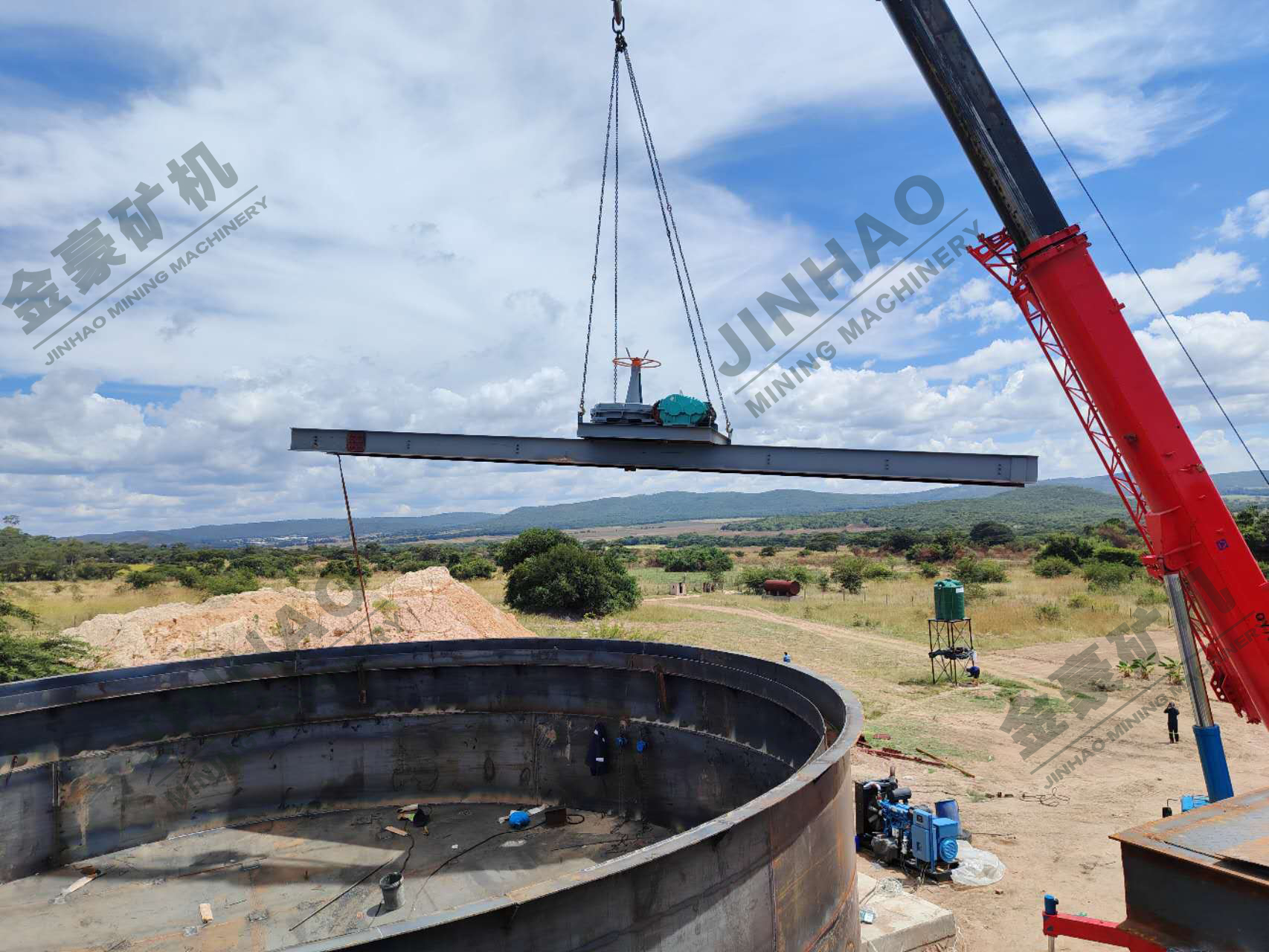
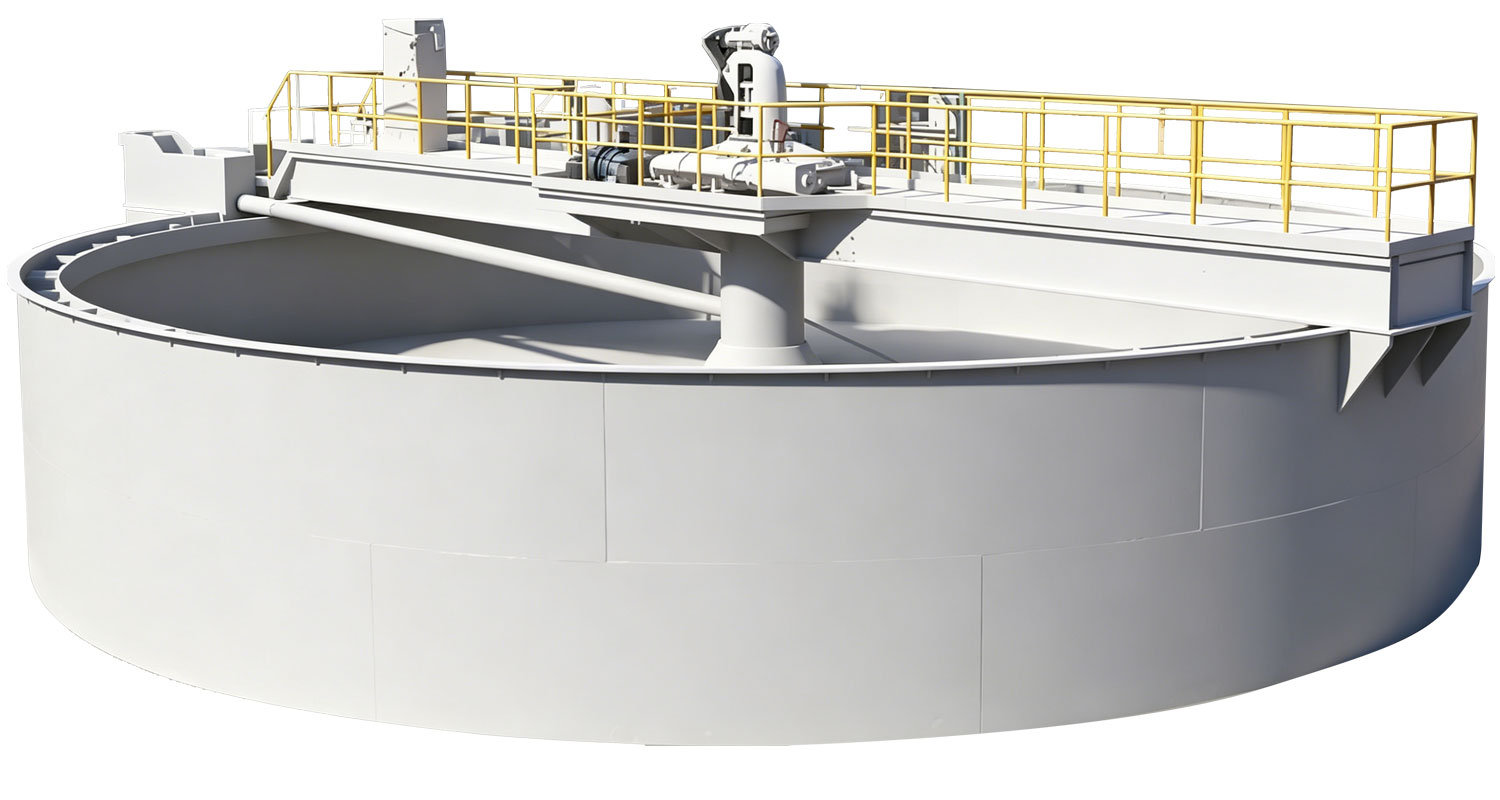
Dewatering: Flotation concentrate is pumped to a thickener and plate-and-frame filter press for dewatering, yielding high-grade molybdenum concentrate. Tailings are pumped to a thickener and disk filter for treatment to meet environmental discharge standards.
Process Flow Diagram
The molybdenite enrichment ratio reaches 100-500 times, with a comprehensive recovery rate stably between 85%-92%, effectively improving resource utilization.
Handles sulfide ores, associated ores, low-grade ores, etc., and enables simultaneous recovery of associated polymetals to boost project profitability.
After thickening and filtration, tailings water recycling rate exceeds 80%, reducing wastewater discharge and meeting environmental standards.
Low reagent consumption and additional revenue from associated metal recovery make overall operating costs 10%-15% lower than traditional processes.
Related Products
Product Features This product is used in the carbon slurry...
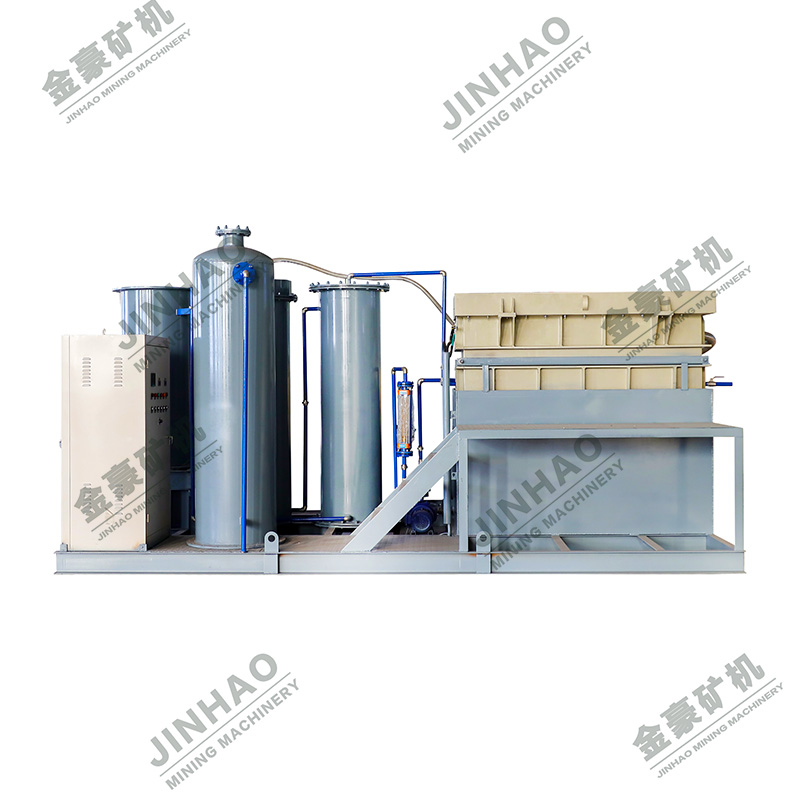
Product Features The desorption electrolysis unit is key equipment in...
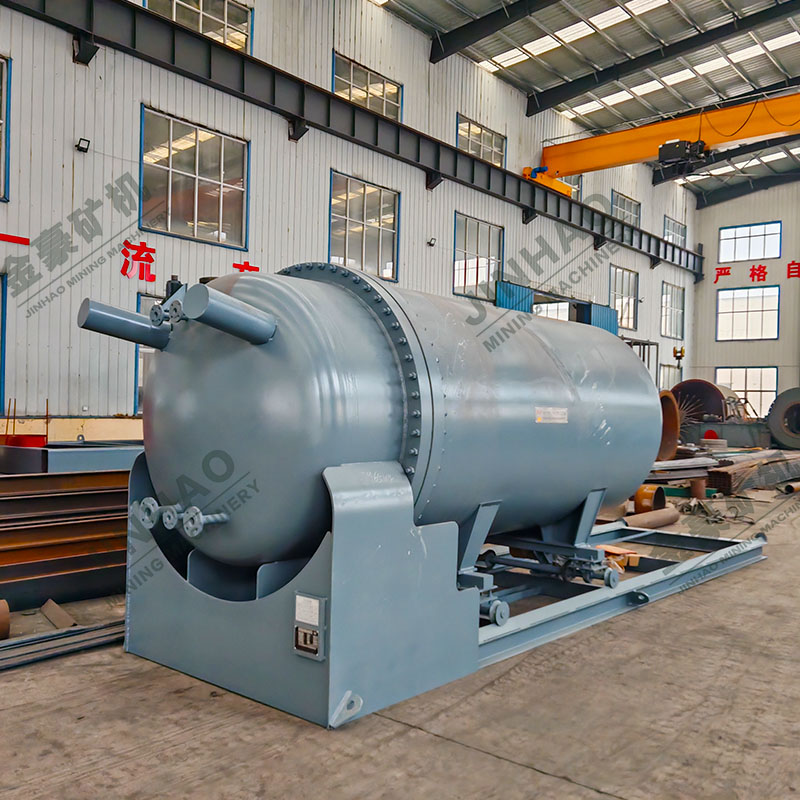
Product Features - The complete set of desorption-electrolysis system equipment...
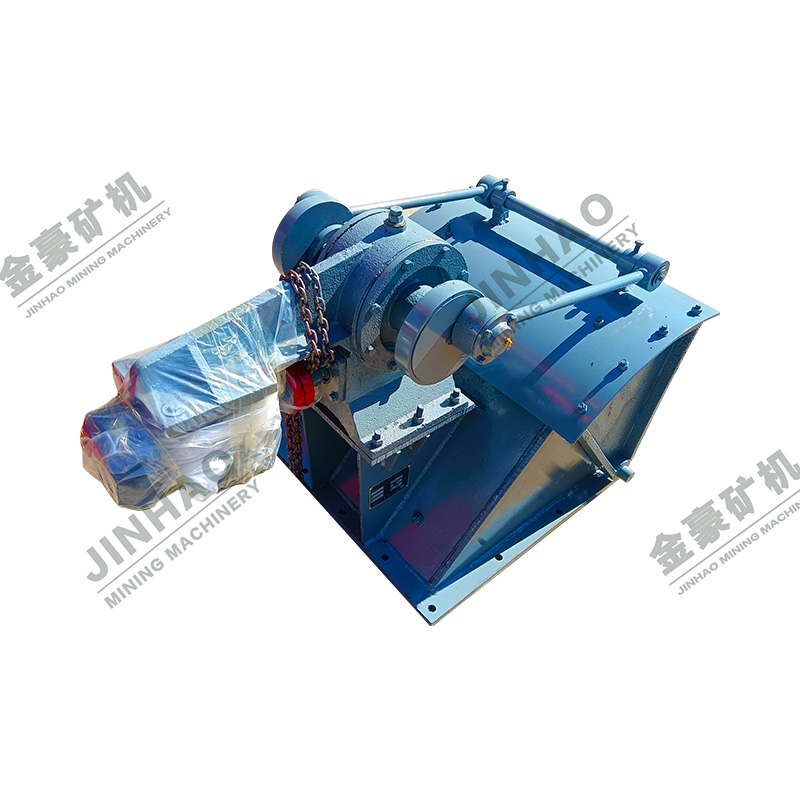
Product Features The oscillating feeder is suitable for the mining,...
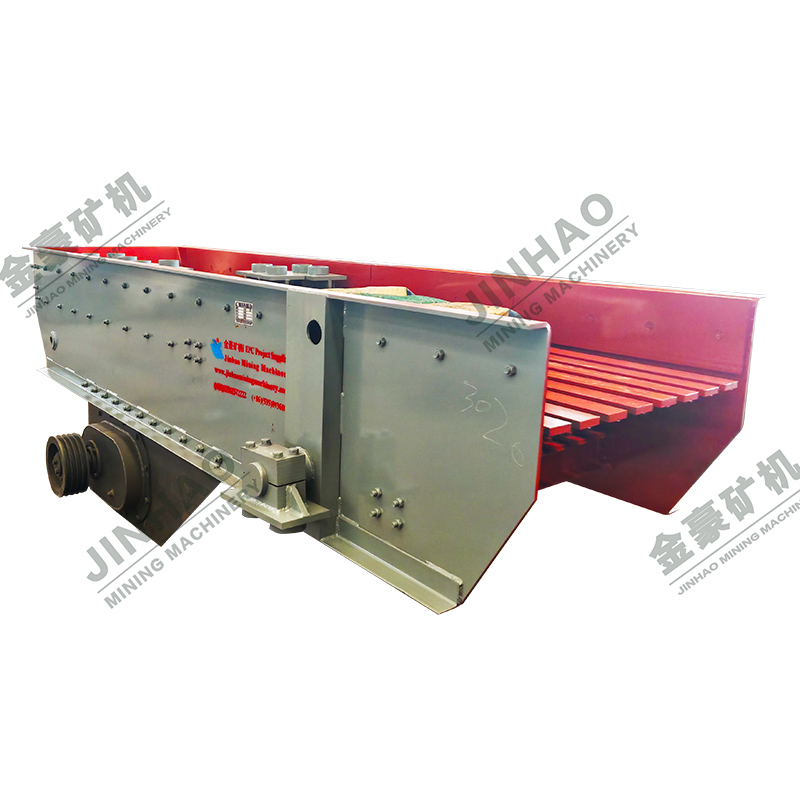
Product Features The ZSW‑series vibrating feeder is mainly used to...
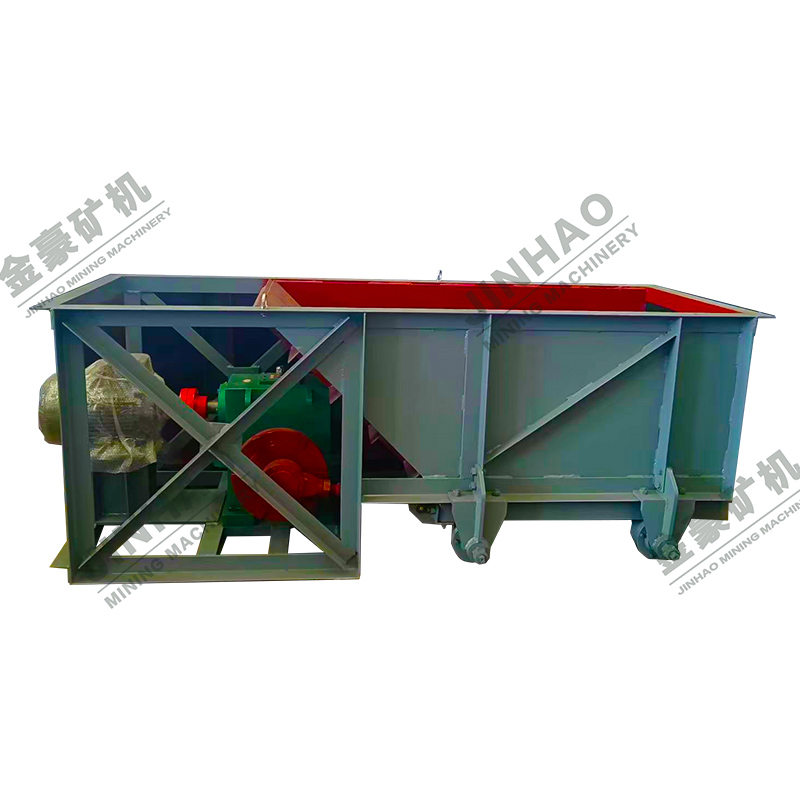
Product Features The trough feeder is generally suspended at the...
Product Features The GZ series electromagnetic vibrating feeder is used...
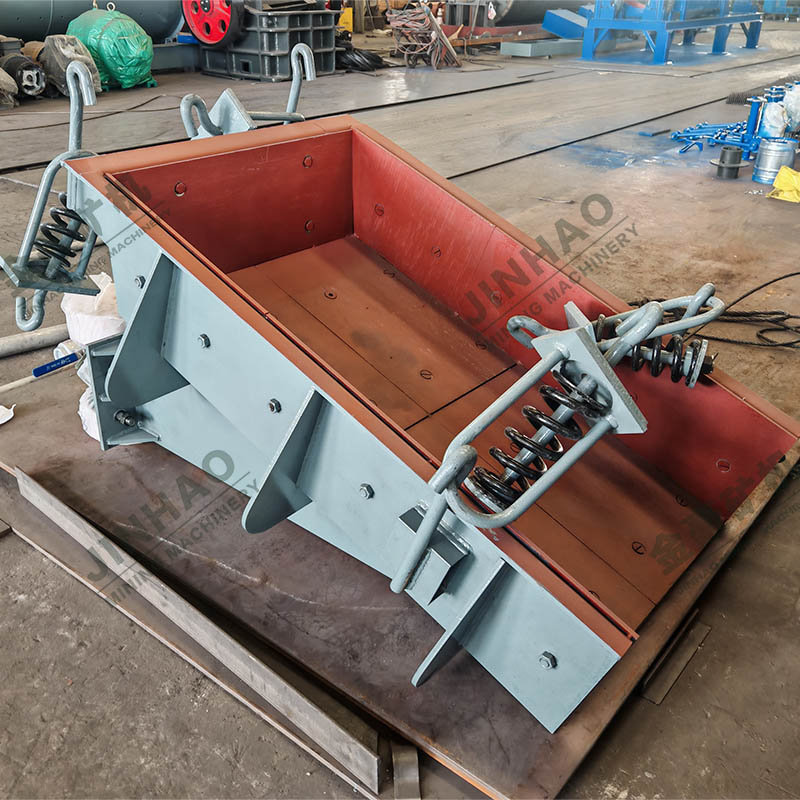
Product Features The DZ Series Motor Vibrating Feeder is a...
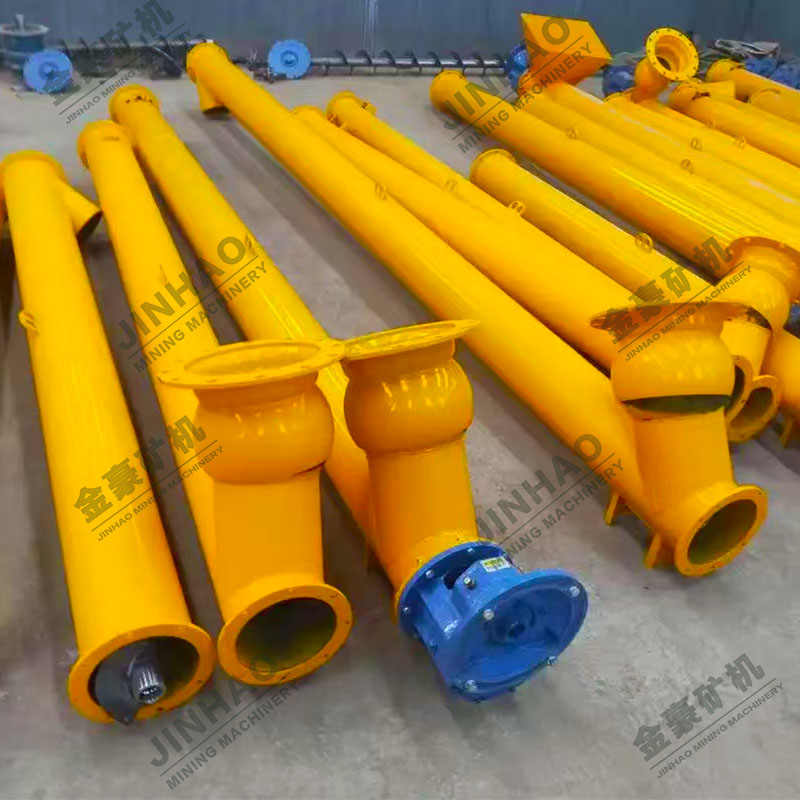
Product Features The spiral feeder is mainly used for continuous...
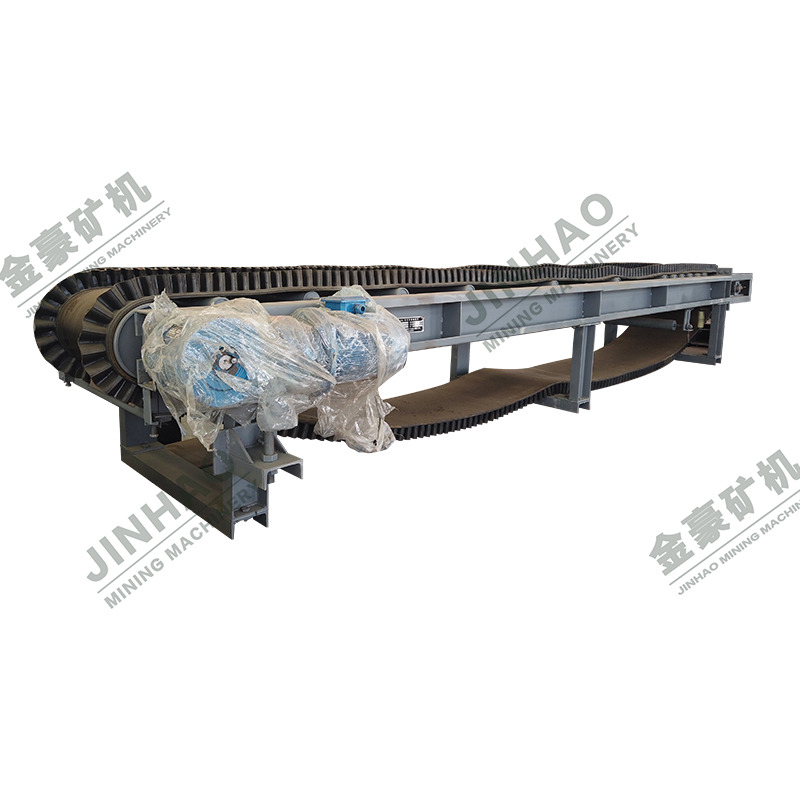
Product Features The belt feeder is a relatively short-length belt...