
Copper Mining and Processing: From Ore to Cathode

Key takeaways
- Most copper comes from sulphide ore, processed by flotation to a concentrate and then smelted and refined.
- Oxide ore takes a different route — leaching, solvent extraction and electrowinning to cathode.
- Crushing and grinding are the largest cost, because copper grades are low and tonnages enormous.
- Flotation recovery drives plant economics; a single percentage point is worth a great deal of metal.
- Copper is never really “finished” at the mine — concentrate, cathode and by-products all have separate markets.
Copper is one of the few metals produced at industrial scale from ore containing well under one percent of the metal. A typical porphyry deposit might run at 0.5% copper, which means recovering one tonne of metal from two hundred tonnes of rock. Everything about copper processing follows from that fact: the circuits are enormous, the economics hinge on recovery, and the cost of moving and grinding rock dominates the plant.
The two routes from ore to metal
| Stage | Sulphide ore route | Oxide ore route |
|---|---|---|
| Crushing and grinding | Fine grinding required for flotation | Often coarse crush only, or agglomeration |
| Concentration | Froth flotation to a concentrate | None — leaching directly |
| Extraction | Smelting of concentrate | Heap or vat leaching |
| Purification | Converting and electrorefining | Solvent extraction |
| Final product | Cathode from electrorefining | Cathode from electrowinning |
The sulphide route, stage by stage
Mining and crushing
Porphyry copper deposits are mined by open pit, which suits their huge tonnage and low grade. Run of mine ore is reduced through primary and secondary crushing, with large gyratory or jaw crushers handling the coarse feed.
Grinding
Grinding is where copper plants spend most of their energy. The ore must be ground fine enough to liberate the copper sulphide grains from the gangue, typically to a few tens of microns. This is done in ball mills in close circuit with Hydrocyclones, with the classifier returning oversize for further grinding.

Flotation
Ground pulp passes to flotation, where the copper sulphide minerals — mainly chalcopyrite and chalcocite — are floated to the surface while gangue sinks. The result is a copper concentrate typically grading in the twenties by percent copper, from a feed of well under one percent. This concentration step is what makes the rest of the process affordable: smelting a dilute ore would be impossible, smelting a concentrate is routine.
Thickening and filtration
The concentrate is thickened and filtered to remove water before transport, because shipping water is uneconomic. Moisture control at this stage directly affects freight cost, which for a remote mine can be significant.
Smelting and refining
Concentrate is smelted to produce matte, then converted to blister copper, then fire-refined and cast into anodes. Electrorefining dissolves the anodes and plates pure copper onto cathodes, while impurities — including precious metals — report to anode slime where they are recovered separately.
The oxide route
Oxide ore cannot be concentrated by flotation, so it takes a different path. The ore is crushed, sometimes agglomerated, and stacked on a leach pad where dilute acid is applied. Copper dissolves into the pregnant leach solution, which then passes through solvent extraction to produce a concentrated, purified copper sulphate solution. That solution goes to electrowinning, where an electric current plates pure copper onto cathodes.
The combination — leaching, solvent extraction and electrowinning — is often abbreviated and is very well suited to low-grade oxide deposits, since it needs far less grinding than the sulphide route.
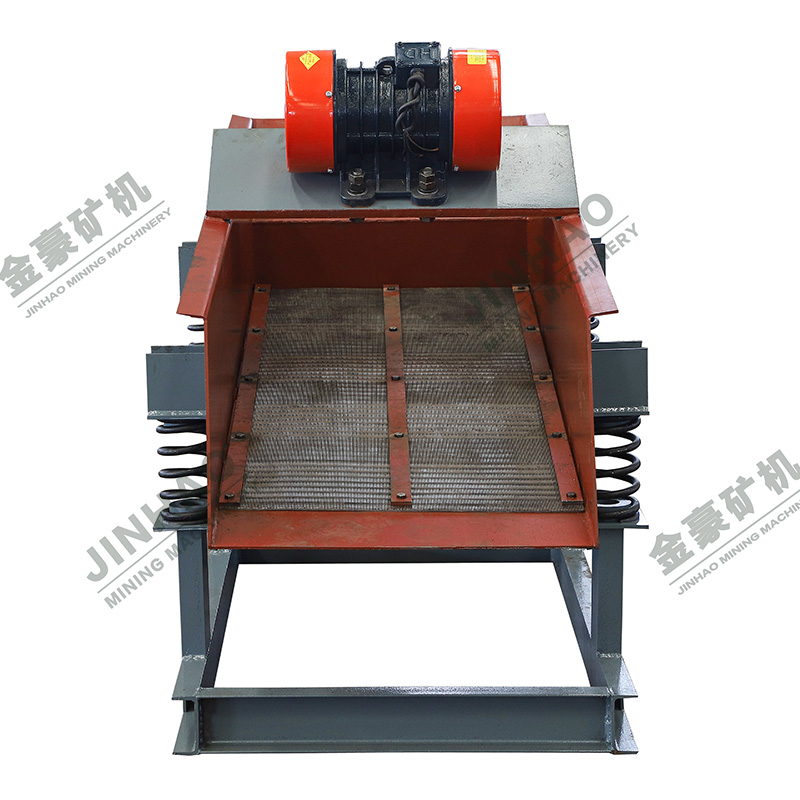
The energy split across the plant explains where the cost sits. In a survey of Canadian copper concentrators, crushing consumed about 2.2 kWh per tonne, grinding about 11.6, and flotation about 2.6. Grinding alone dominates the concentrator’s power bill, which is why grind size optimisation is the single biggest lever on operating cost — and why every tonne of size reduction that can be pushed upstream into crushing is worth moving, since crushing achieves the same reduction far more cheaply.
What drives copper plant economics
With grades this low, small differences matter enormously. Recovery is the obvious lever: at a given grade and tonnage, every percentage point of copper recovery translates directly into revenue, which is why flotation circuits are optimised relentlessly. Grinding energy is the other major cost, and there is a constant tension between liberating copper finely enough to float it well and grinding so much that energy costs rise without a matching gain.
Water and tailings management matter too. Copper concentrators produce large volumes of tailings, and how those are thickened, stored and managed has a major effect on both operating cost and permitting. Our overview of copper mining and the equipment that supports it covers the main circuits.
The key point: copper processing is a scale game. Low grades mean large tonnages, and large tonnages mean that grinding energy, flotation recovery and water management decide whether a project works.
Frequently asked questions
How is copper extracted from its ore?
Sulphide copper ore is ground and concentrated by froth flotation, then smelted, converted and electrorefined to cathode. Oxide copper ore is leached with acid, purified by solvent extraction and recovered by electrowinning as cathode.
Why is copper ore concentrated before smelting?
Because copper grades are very low, typically well under one percent. Smelting dilute ore directly would be economically impossible, so flotation concentrates the copper into a product grading around twenty percent or more.
What is the difference between copper concentrate and copper cathode?
Concentrate is a partially upgraded sulphide product, typically grading in the twenties by percent copper, which is sold to smelters. Cathode is refined copper of very high purity, produced by electrorefining or electrowinning, and is the form traded on metal exchanges.
Can oxide copper ore be treated by flotation?
Generally no — oxide copper minerals do not respond well to conventional sulphide flotation. They are more commonly treated by acid leaching followed by solvent extraction and electrowinning.
Why is grinding so important in copper processing?
Because copper sulphides must be liberated from the gangue before they can be floated. Grinding is the largest energy consumer in a concentrator, so the target grind size is a balance between flotation performance and energy cost.
Developing a copper project? Send us your ore mineralogy and target capacity for a circuit design.
Talk to a Jinhao engineer