
Iron Ore Crushing and Screening Circuit Design
Key takeaways
- Iron ore crushing is a product-mix problem, not just a size-reduction problem.
- Lump, fines and pellet feed have different sizes and different prices.
- Two or three crushing stages are normal; the reduction ratio per stage is usually 3–6.
- Screening belongs in the circuit: scalping ahead of secondary crushing and closed circuit after tertiary.
- Minimising fines can be worth more than maximising tonnes per hour.
An iron ore crushing circuit has to deliver a product mix, not a single size. A blast furnace wants lump that it can breathe through. A sinter plant wants fines. A pellet plant wants feed ground far finer still. The same ore body can serve all three markets, but the crushing and screening circuit decides how much of each product comes out.
That is why circuit design starts with the market specification, not the crusher catalogue. If the deposit breaks into competent lumps, a circuit that preserves them can earn a lump premium. If it shatters into fines, the plant should stop pretending otherwise and design for a fines product.
Start with the product specification
| Product | Typical size | Customer | Circuit implication |
|---|---|---|---|
| Lump ore | 6.3–31.5 mm | Blast furnace | Preserve coarse particles; minimise impact and fines |
| Sinter fines | 0.15–6.3 mm | Sinter plant | Controlled top size; consistent grading |
| Pellet feed | 80% passing 45–75 µm | Pellet plant | Fine grinding after crushing; moisture control |
Lump is the most valuable product per tonne when the ore supports it. It can go directly into the furnace without agglomeration, so the customer pays for size and strength. The catch is that lump is made in the pit and the primary crusher, not in the finishing screen. Blast design, crusher type and drop heights all affect how much lump survives.
Stage design
Run-of-mine ore can arrive at up to about 1.5 m across. Primary crushing reduces it to roughly 100–200 mm. Secondary crushing takes it to 10–50 mm, and tertiary crushing produces the final product. Two stages are enough for some coarse products; three are common when the product must be tightly sized or when the ore is hard.
Primary crusher selection is driven by tonnage and feed size. Jaw crushers are the default below roughly 500–700 t/h. Gyratory crushers take over at high tonnage, and above about 900 t/h the gyratory is usually the only sensible choice. The Taggart rule, which compares tonnage with the square of the feed opening, is a useful first screen but not a substitute for a proper selection study.
Secondary and tertiary stages use cone crushers for hard, abrasive iron ore. A standard cone accepts coarser feed and produces down to about 5–60 mm; a short-head cone has a longer parallel zone and produces 3–20 mm. Impact crushers are rarely the right choice for iron ore because the wear rate on abrasive rock is punishing.
Screening makes the circuit work
A crusher should not see material that is already small enough. A scalping screen ahead of the secondary crusher removes fines, which improves capacity and prevents fine material from packing the crushing chamber. In closed circuit, a screen after the tertiary crusher returns oversize and sends finished product forward.
The screen aperture in a closed circuit should be slightly larger than the crusher setting. If the aperture is the same as the setting, near-size particles circulate without being reduced, loading the crusher and reducing capacity. Screen efficiency also matters: an overloaded or blinded screen passes oversize, which either contaminates the product or comes back to the crusher.
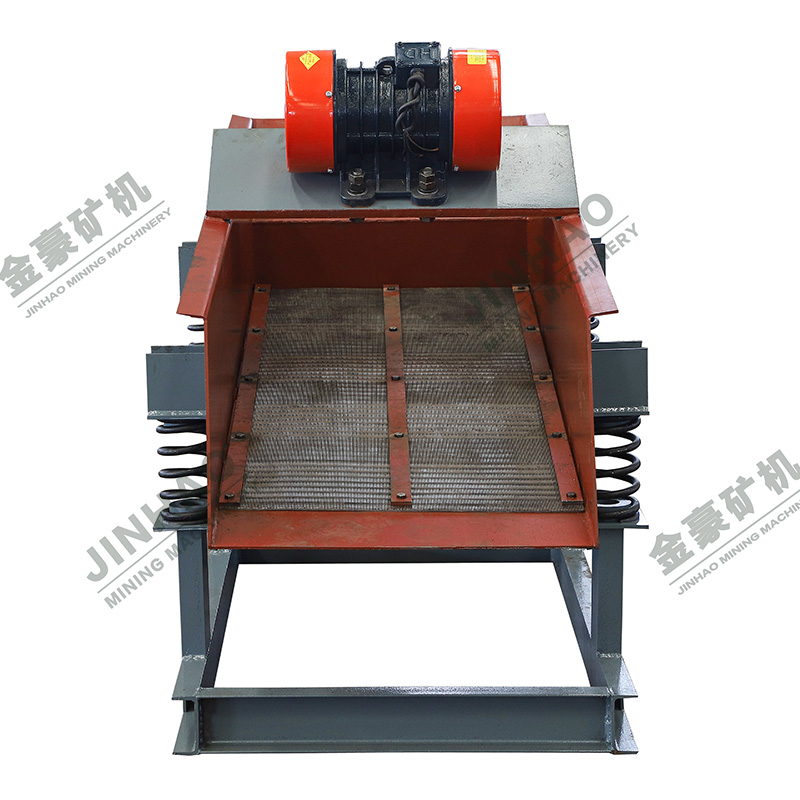
Dry screening is generally practical above about 5 mm. Below that, moisture causes blinding and wet screening or classification is more effective. In a dry climate, a dry screen may handle fines down to 1–2 mm; in a wet climate, the same screen may struggle at 10 mm.
Minimising fines
Fines are not waste, but they are worth less than lump and they cost more to handle. Every unnecessary impact, drop and compression creates more of them. Blast design that creates fewer fines, a primary crusher with the right stroke, choke feeding to reduce inter-particle crushing, and conveyor transfer points with low drop heights all help.
The trade-off is real. A high-reduction primary crusher may produce more fines but reduce the load on the secondary circuit. A gentle blast may preserve lump but leave boulders that stress the primary crusher. The right balance comes from a product-mix study, not a single crusher specification.
- Define the product mix. Decide the target percentages of lump, fines and pellet feed, and the acceptable impurity levels for each.
- Test the ore’s breakage behaviour. Drop tests, impact tests and work index tests show how the ore fragments and how much lump survives.
- Select the primary crusher. Match feed size and tonnage to jaw or gyratory duty, and check the feed opening against the largest expected lump.
- Design scalping and closed circuit. Put a screen ahead of secondary crushing and a closed circuit after tertiary; set the aperture slightly above the crusher setting.
- Check the conveying and stockpile system. Transfer points, drop heights and stockpile methods all affect fines generation and product degradation.
Stockpiles, degradation and product quality
The crushing circuit does not end at the screen. Conveyor transfers, stockpile drops and reclaiming all break particles further. A lump product that passes the screen at the plant can arrive at the port with a much higher fines content if it is dropped repeatedly or stacked carelessly. Designing the handling system with the same care as the crushers is part of protecting the product premium.
Stockpile strategy also affects blending. Iron ore products are sold on consistent chemistry, and a plant that blends different ore zones in the stockpile can smooth out grade fluctuations before shipping. The alternative is a blend that changes from shipment to shipment, which customers dislike and may penalise.
When HPGR earns a place
High-pressure grinding rolls apply a bed of pressure to the ore, creating micro-cracks that weaken particles before the ball mill. In iron ore, HPGR is often used to prepare pellet feed or to replace part of the tertiary crushing and fine grinding duty. Energy savings of 20–50% have been reported compared with conventional routes, but the rolls wear quickly on abrasive ore and the feed must be carefully screened.
HPGR is not a universal answer. It suits projects where energy cost is high, the ore is amenable to bed breakage, and the downstream circuit can use the cracked product. For a small plant producing lump and fines, a conventional jaw-cone-screen circuit is usually simpler and cheaper.
Moisture and sticky ore
Water is the quiet enemy of screening. A ore that is damp and clay-rich will blind screen panels, bridge over apertures and block chutes, even if the aperture is nominally large enough. In tropical or wet-season conditions, a circuit that works in the dry season can lose a third of its capacity when the ore arrives at 8–10% moisture.
The fixes are not glamorous: wider chutes, steeper angles, rubber or polyurethane screen media, heated decks, and sometimes a drying step before screening. If the ore is consistently wet, wet screening may be more reliable than fighting blinding on a dry screen. The circuit should be designed for the wettest ore it will see, not the driest.
Design rule: a crushing circuit that produces the right mix at 90% of its rated tonnage is better than one that produces too many fines at 100%.
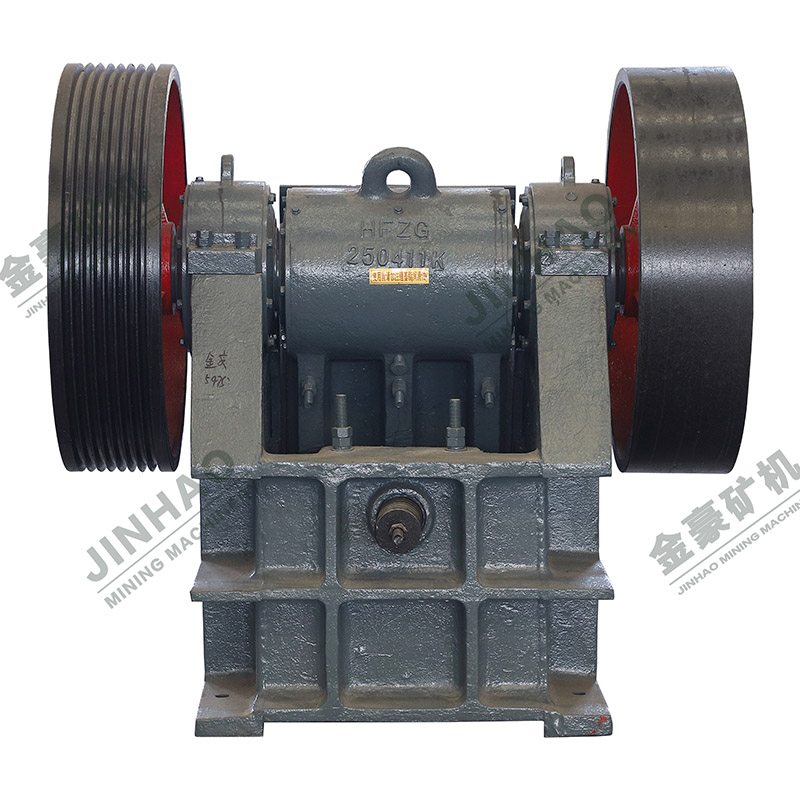
For equipment, see the crushing equipment category, the PE jaw crusher page and the YA circular vibrating screen page.
Frequently asked questions
How many crushing stages does an iron ore plant need?
Most plants use two or three stages. Two stages can work for coarse products and moderate reduction ratios; three are common when the product must be tightly sized or the ore is hard and abrasive.
Why is lump ore more valuable than fines?
Lump can go directly into a blast furnace without sintering or pelletizing, so it saves the steelmaker an agglomeration step. That is why lump often earns a premium, provided it is strong enough to survive transport and handling.
What size screen should I use in a closed crushing circuit?
The screen aperture should be slightly larger than the crusher setting. If the aperture equals the setting, near-size particles can circulate without being reduced and load the crusher unnecessarily.
Can impact crushers be used for iron ore?
They can, but they are usually a poor choice for hard, abrasive iron ore because wear rates are high. Jaw and cone crushers are the standard for abrasive duties.
How can I reduce fines generation in crushing?
Control blast design, use choke feeding, choose a crusher with the right stroke, and minimise drop heights at transfer points. The goal is to break rock along existing fractures rather than crushing it repeatedly.
Planning an iron ore crushing and screening circuit? Send us your product specification and feed size and we will review the stage design.
Talk to a Jinhao engineer